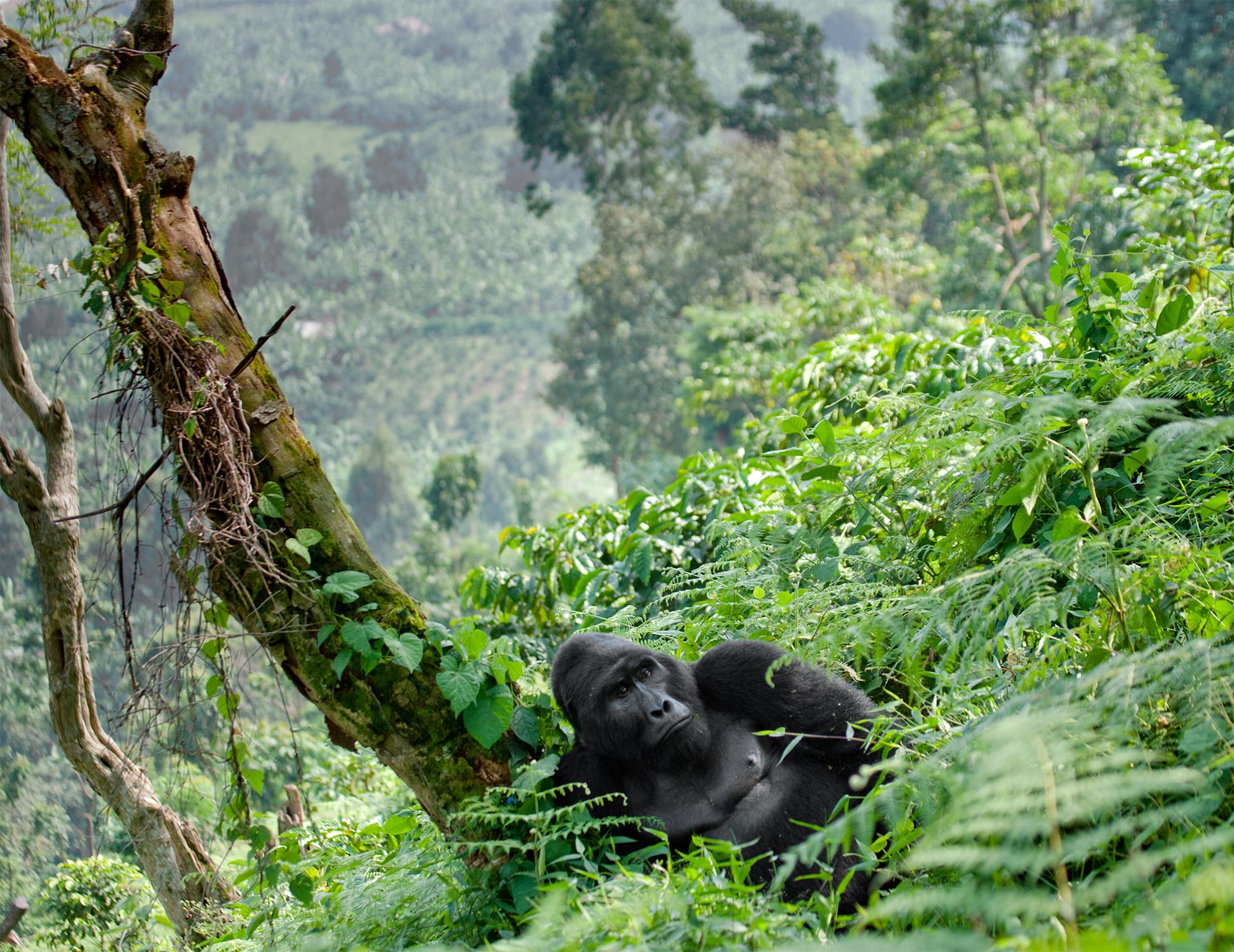
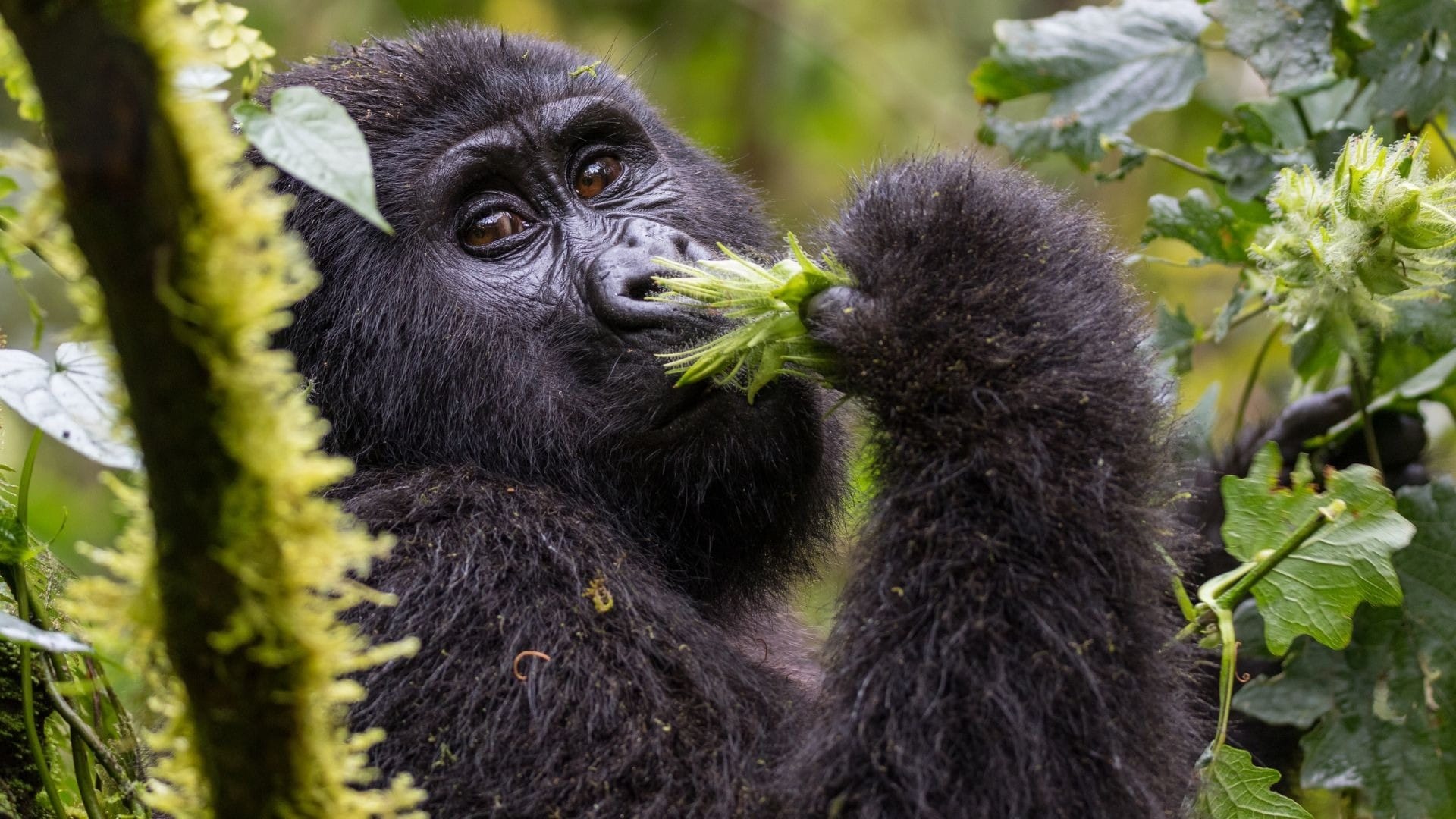
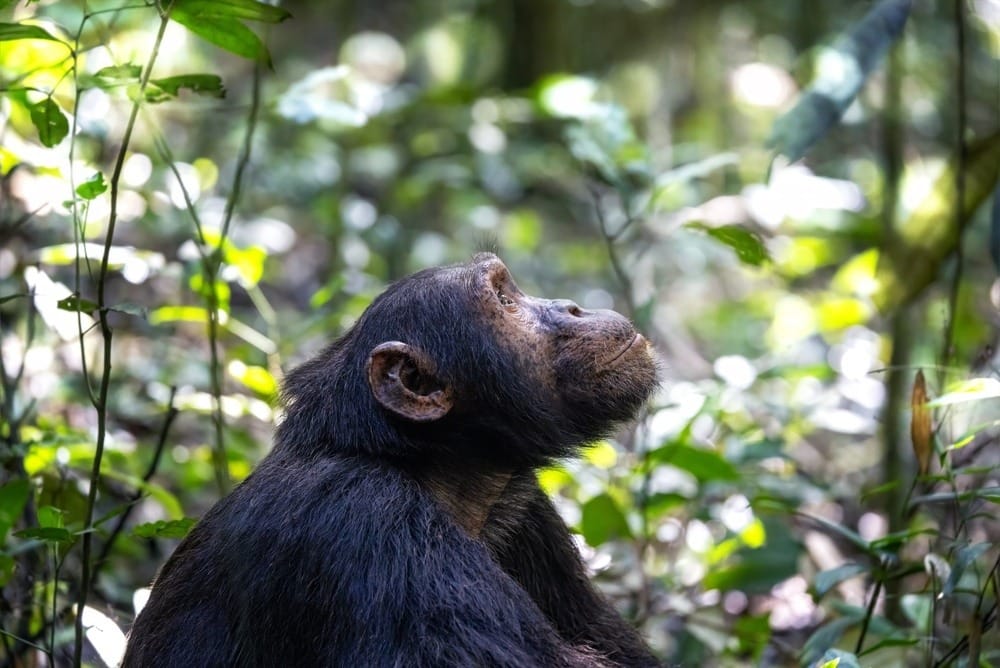
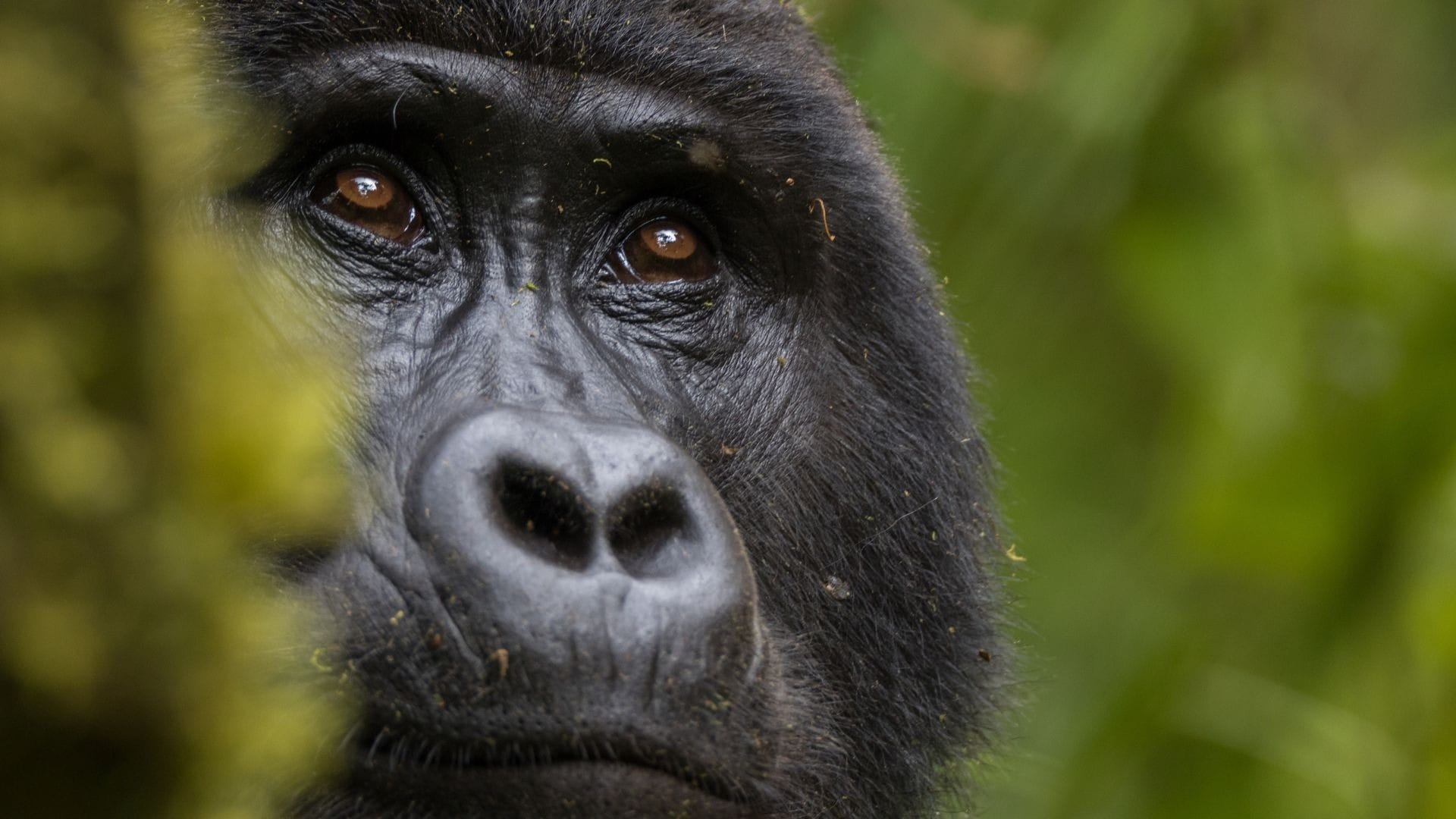
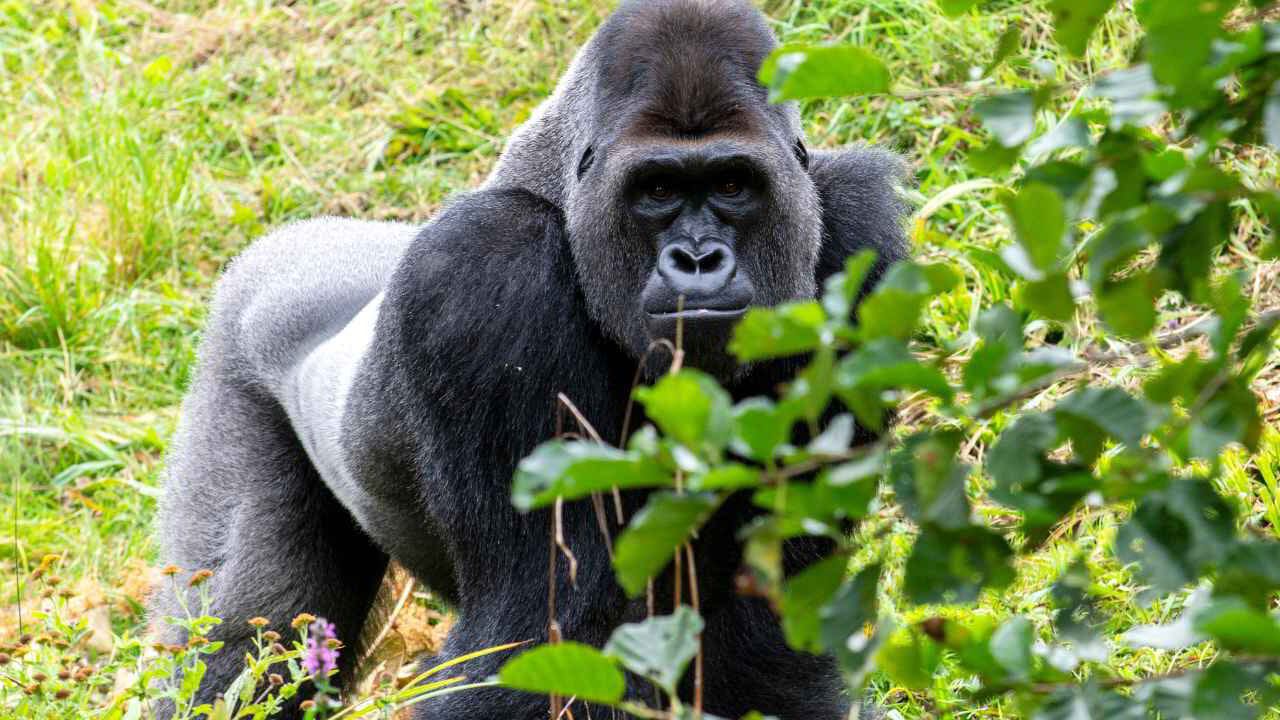
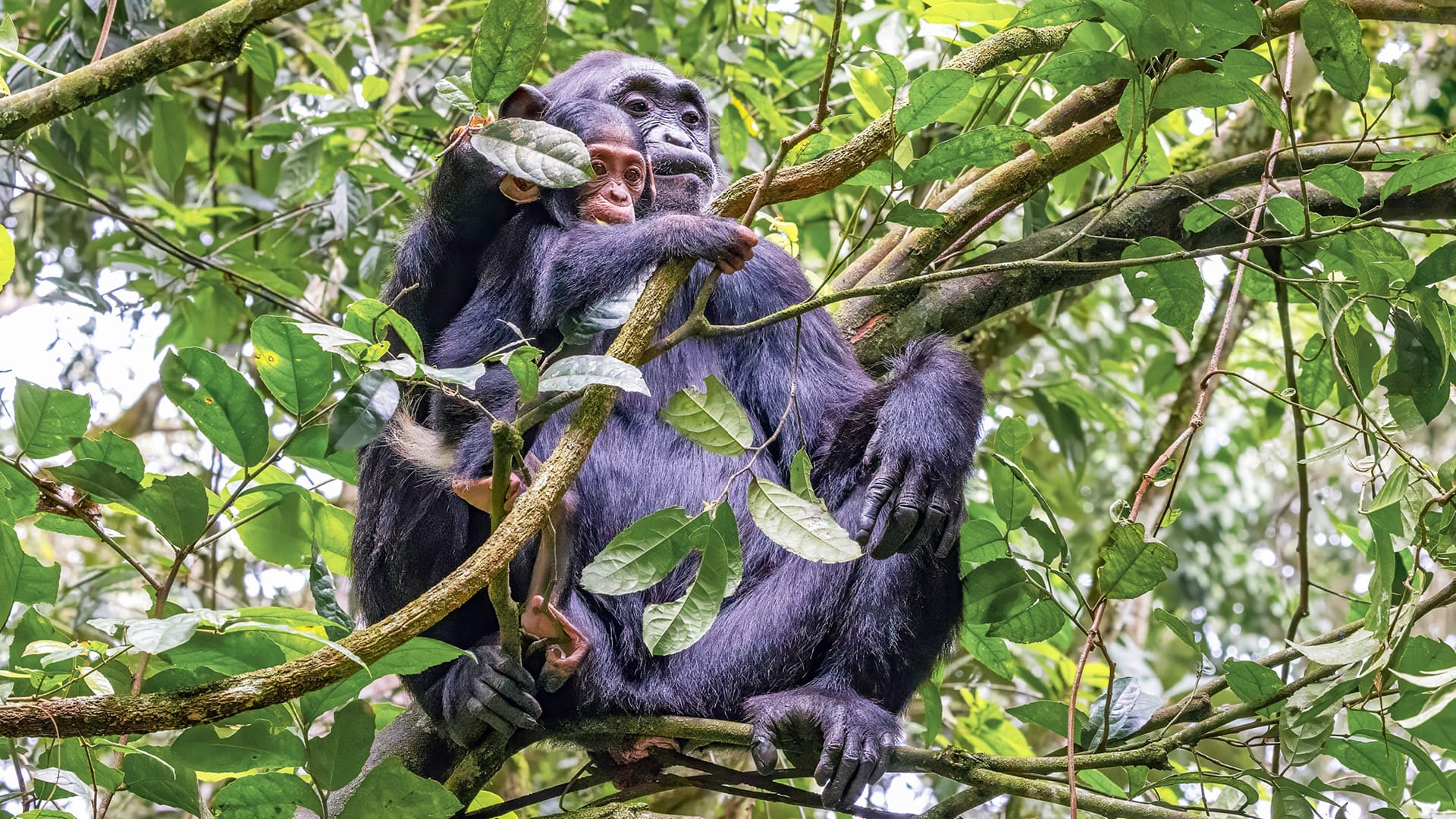
Uganda holds roughly half the world's mountain gorillas. It also holds chimpanzees, golden monkeys, baboons, mangabeys, colobus, blue monkeys, vervets, and a dozen species of lesser-known primates we will not bother listing here. The country holds one of the highest concentrations of primate species on the continent, which is to say that a Uganda trip starts with the assumption that you will spend most of it in a forest.
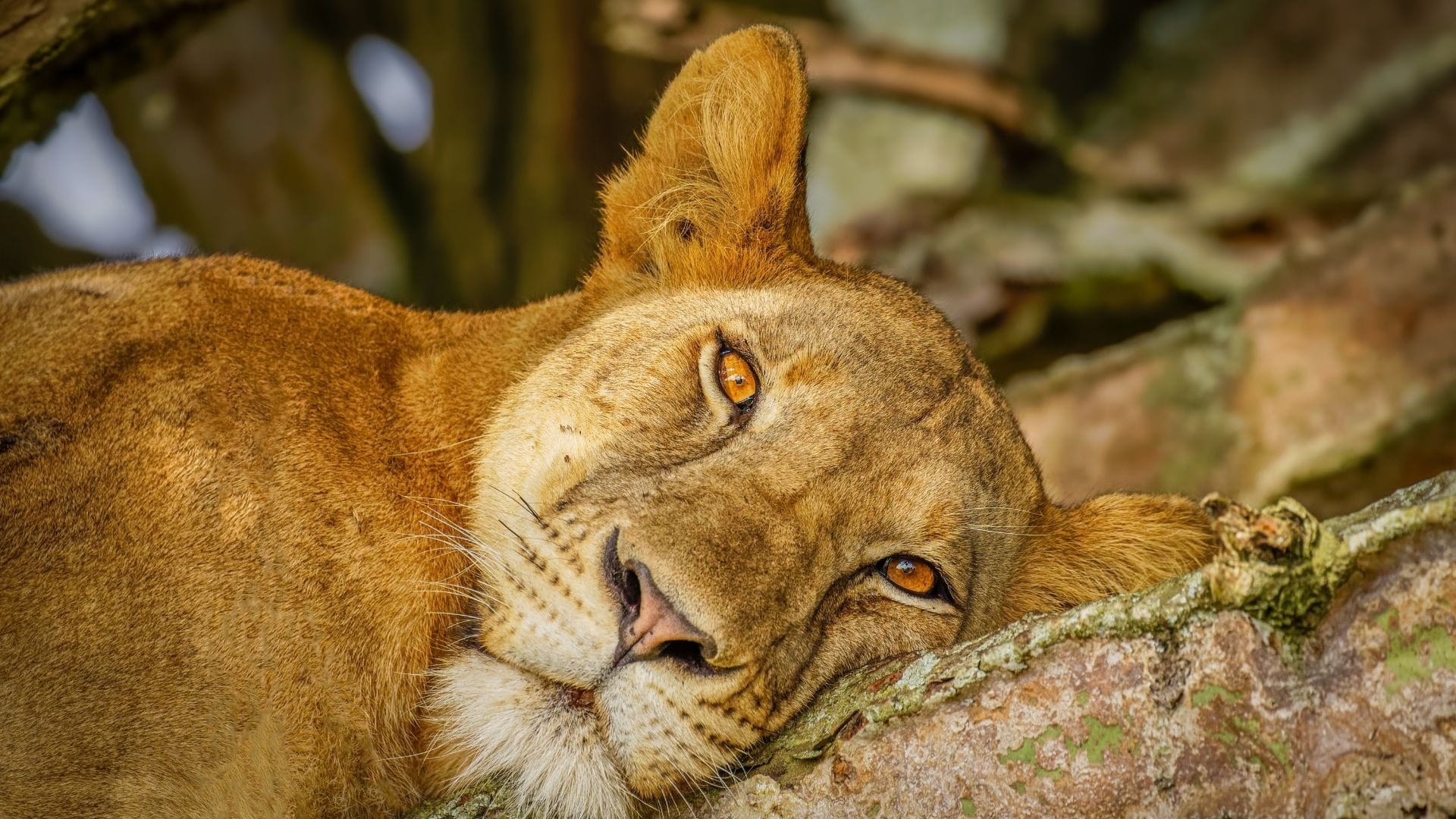
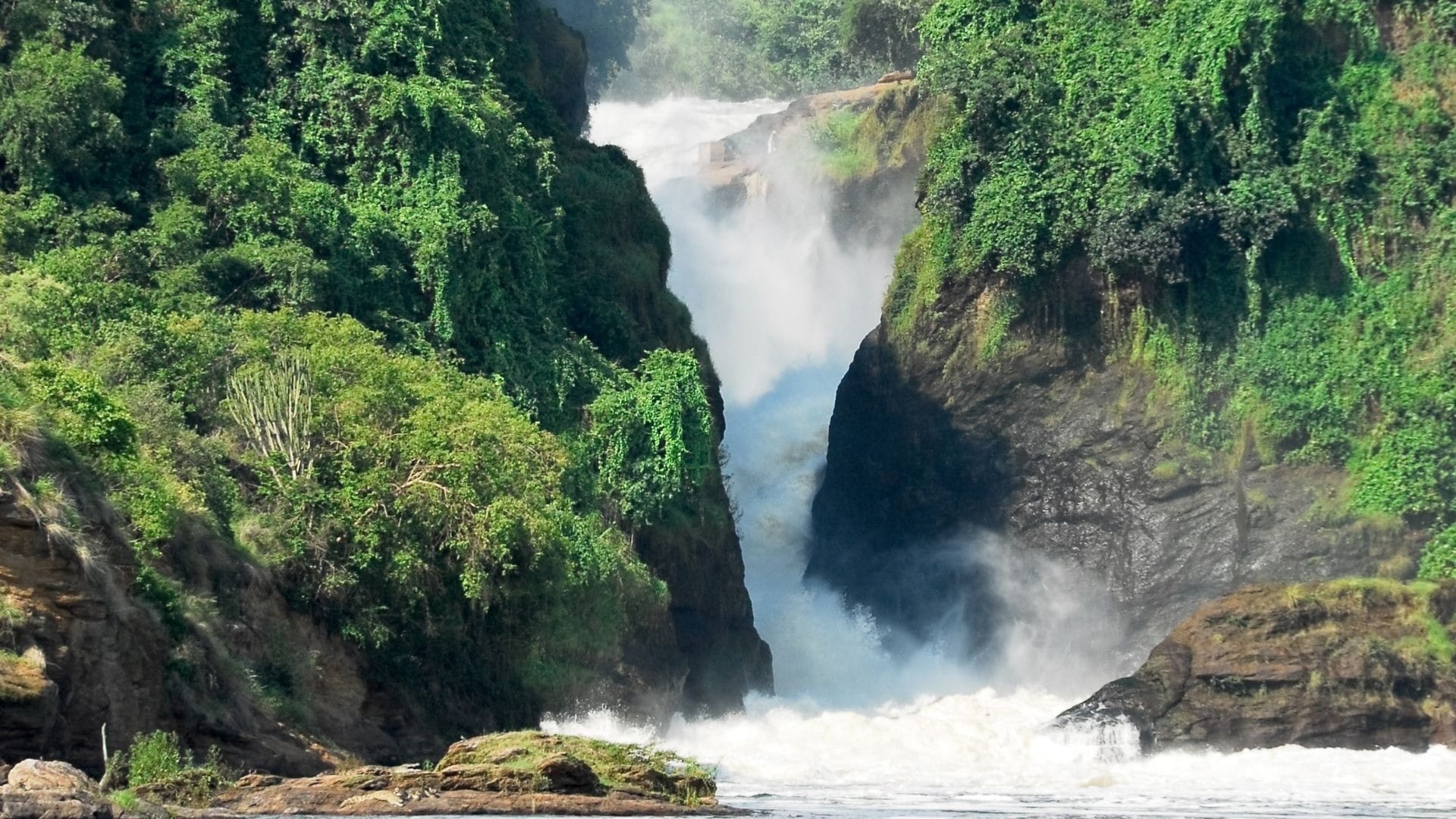
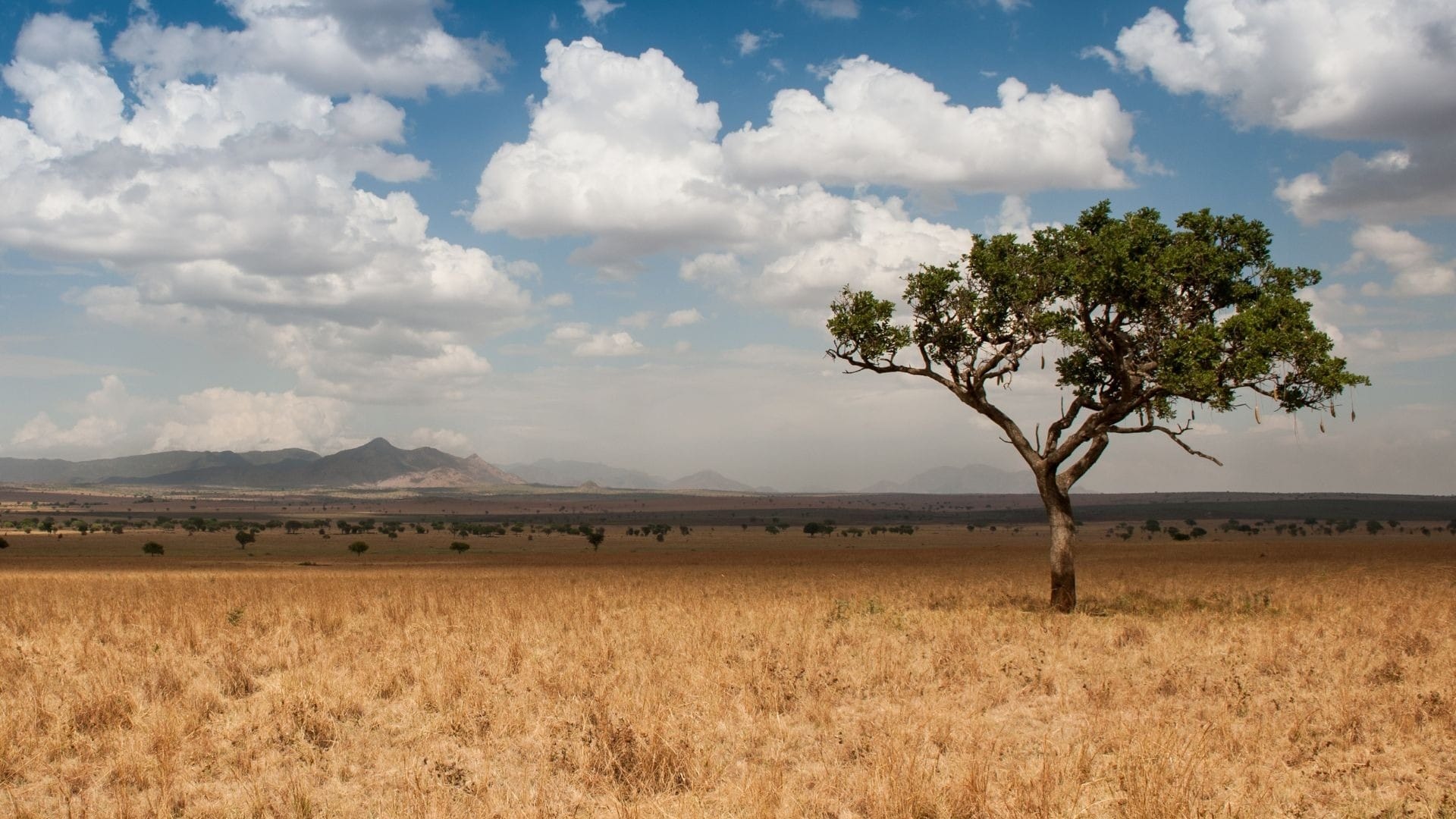
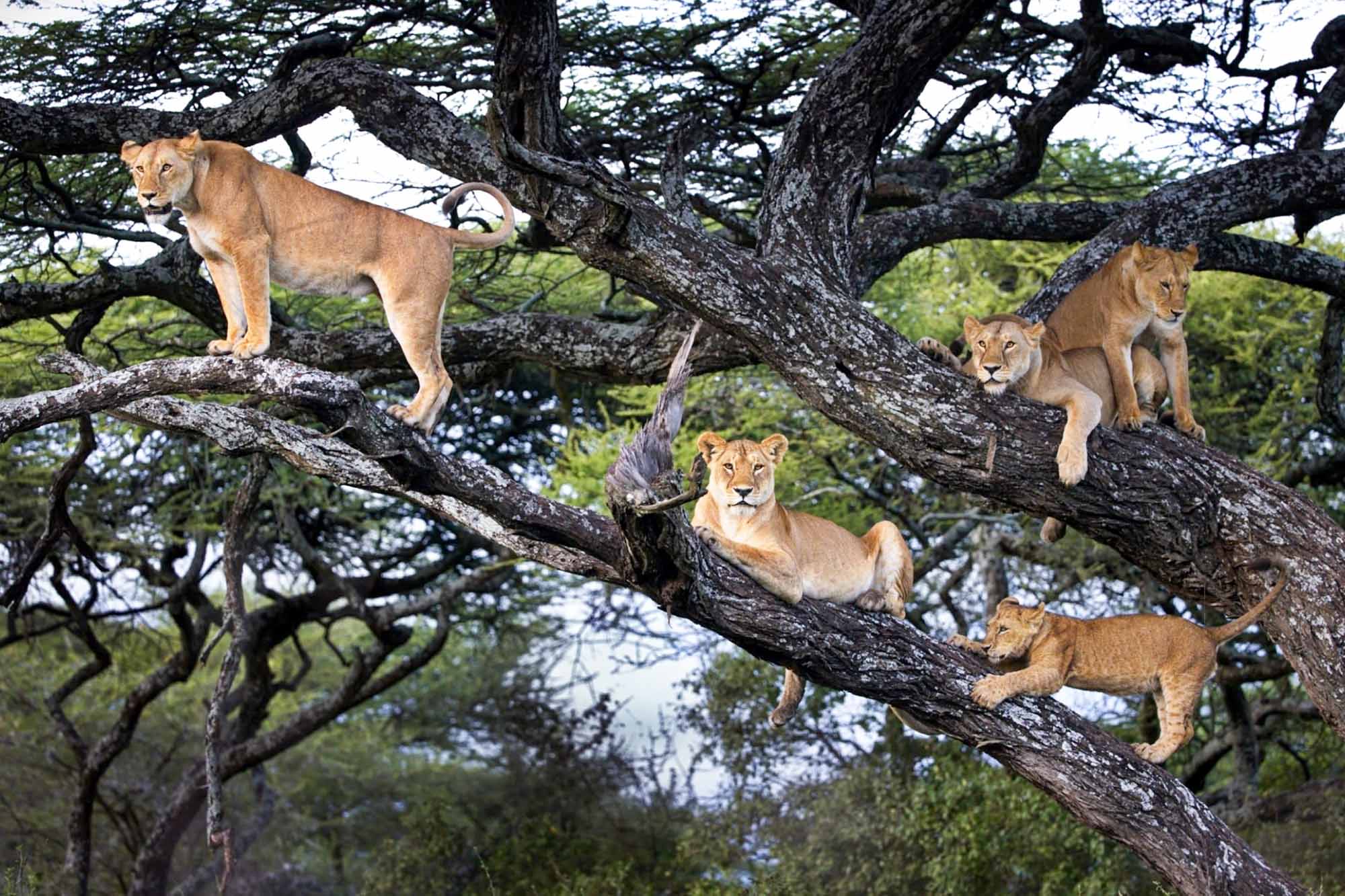
The forests are the headline. Bwindi for gorillas, Kibale for chimps, the Rwenzori range for the harder trekking. But Uganda also has plains. Queen Elizabeth National Park sits in the country's southwest with the Ishasha sector and its tree-climbing lions, one of only a couple of places in East Africa where lions routinely lie up in fig trees. Murchison Falls in the north has the Nile squeezing through a seven-metre gap in the rocks and a boat trip that produces hippos, crocodiles, and elephants drinking on the bank, in that order, every afternoon. Kidepo in the far northeast is the most remote park in the country and one of the most beautiful in Africa.
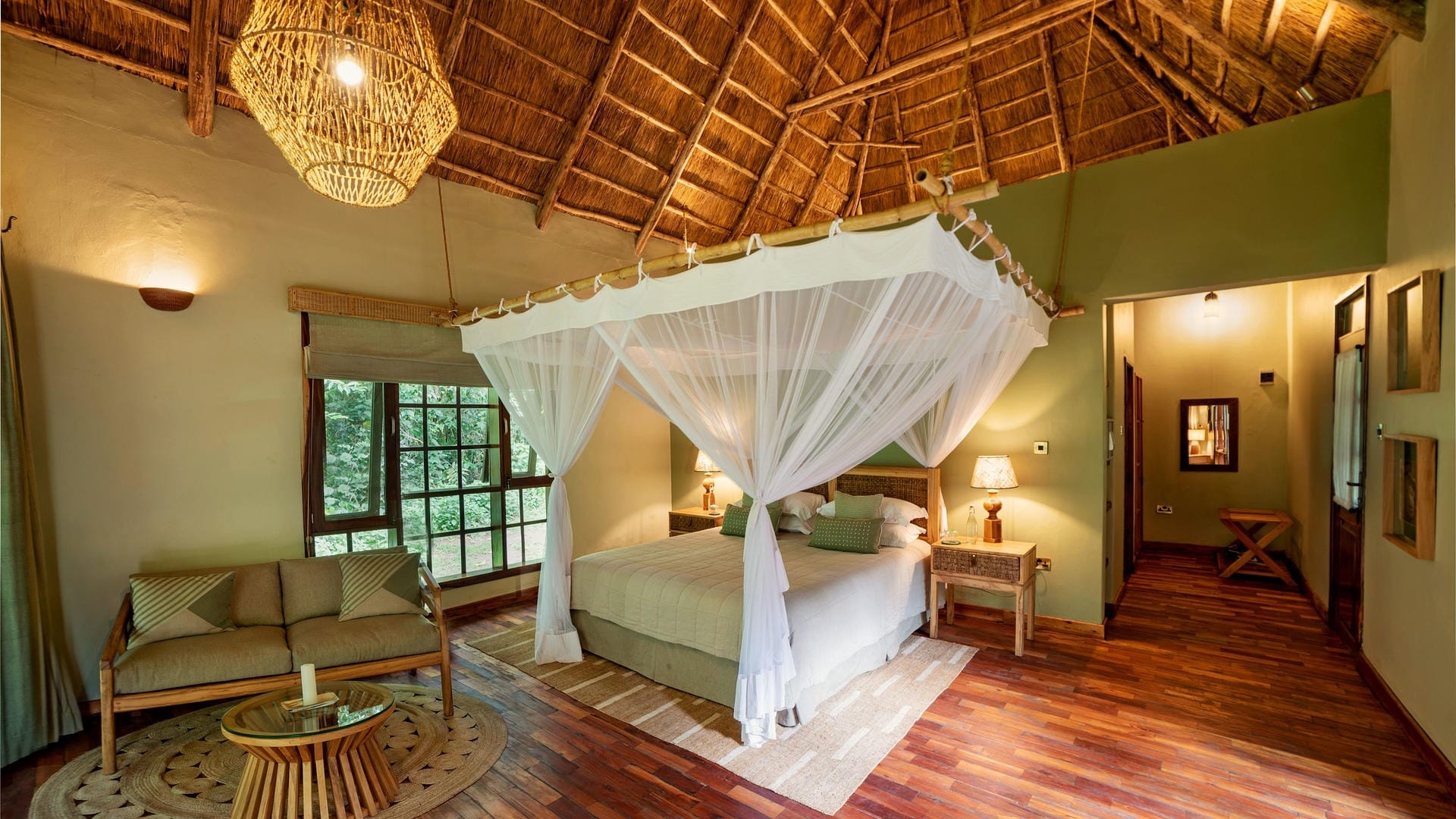
The trade-off, and there is one, is that Uganda is rougher than Rwanda. Roads are longer. Lodges are fewer. The trekking is harder. It is not the country for everyone. It suits travellers who want the bush a little wilder and do not mind paying for it with a few extra hours in a vehicle. For those travellers it is often the trip they talk about most.
Uganda also pairs naturally outward. With Rwanda for travellers who want the polished and the rough versions of gorilla trekking on the same trip. With Tanzania for the Serengeti and the Migration, a short flight from Entebbe. With Kenya for plains game on a bigger scale. Most of the Uganda trips we plan run ten to fourteen nights, longer when paired. Uganda is a country we plan with long-standing ground partners who know the forests better than we do.