

By note
Start with a note
Tell us roughly what you are thinking. Vikki or Sian will reply personally.
Send a noteWhere the herds are
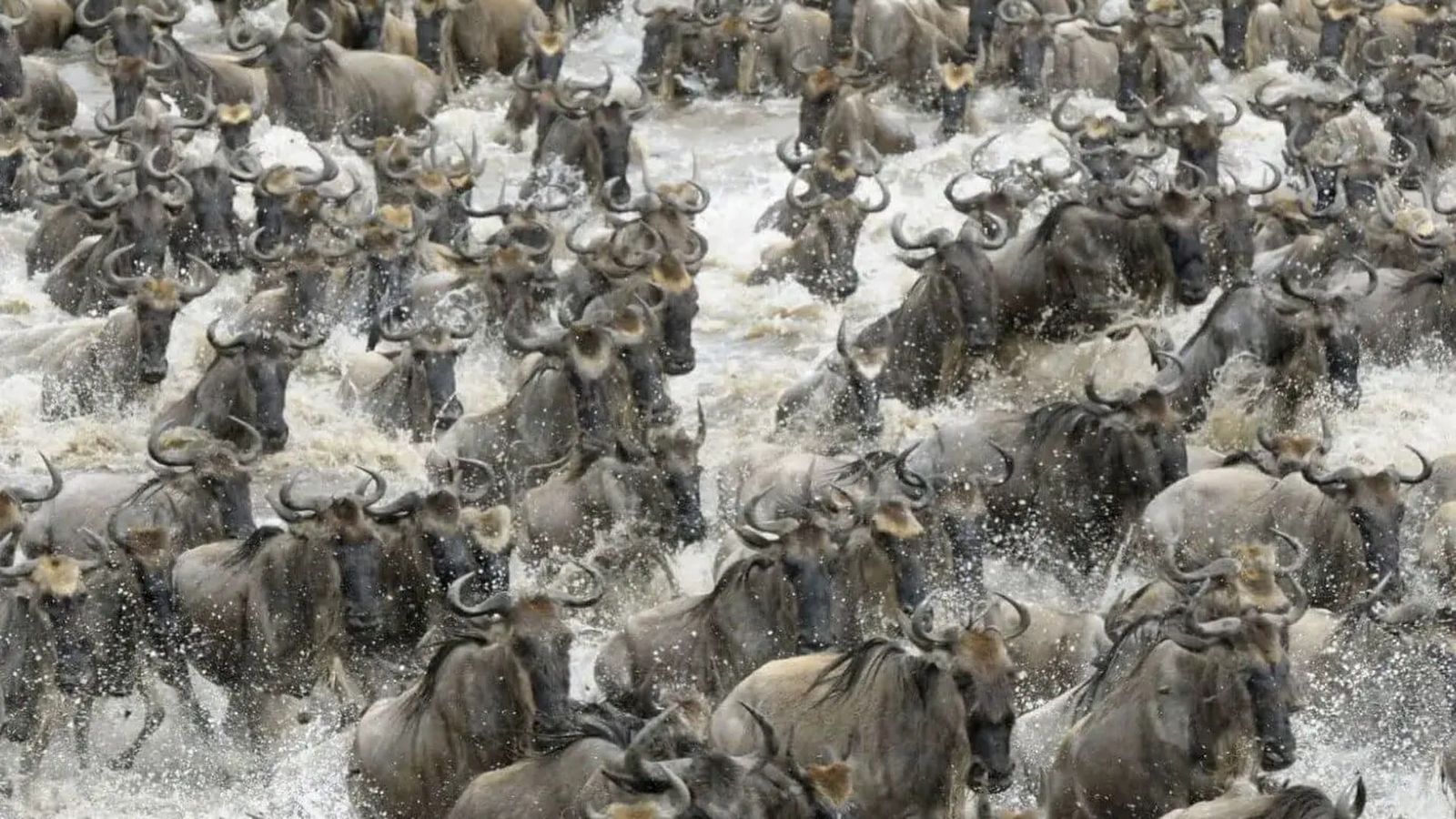
The Great Migration is roughly two million animals moving in a clockwise loop through the Serengeti and Masai Mara ecosystem across twelve months. The travel industry sells it as a July to October river-crossing event. The reality is twelve months of movement, with different highlights every six weeks.
Where this trip starts
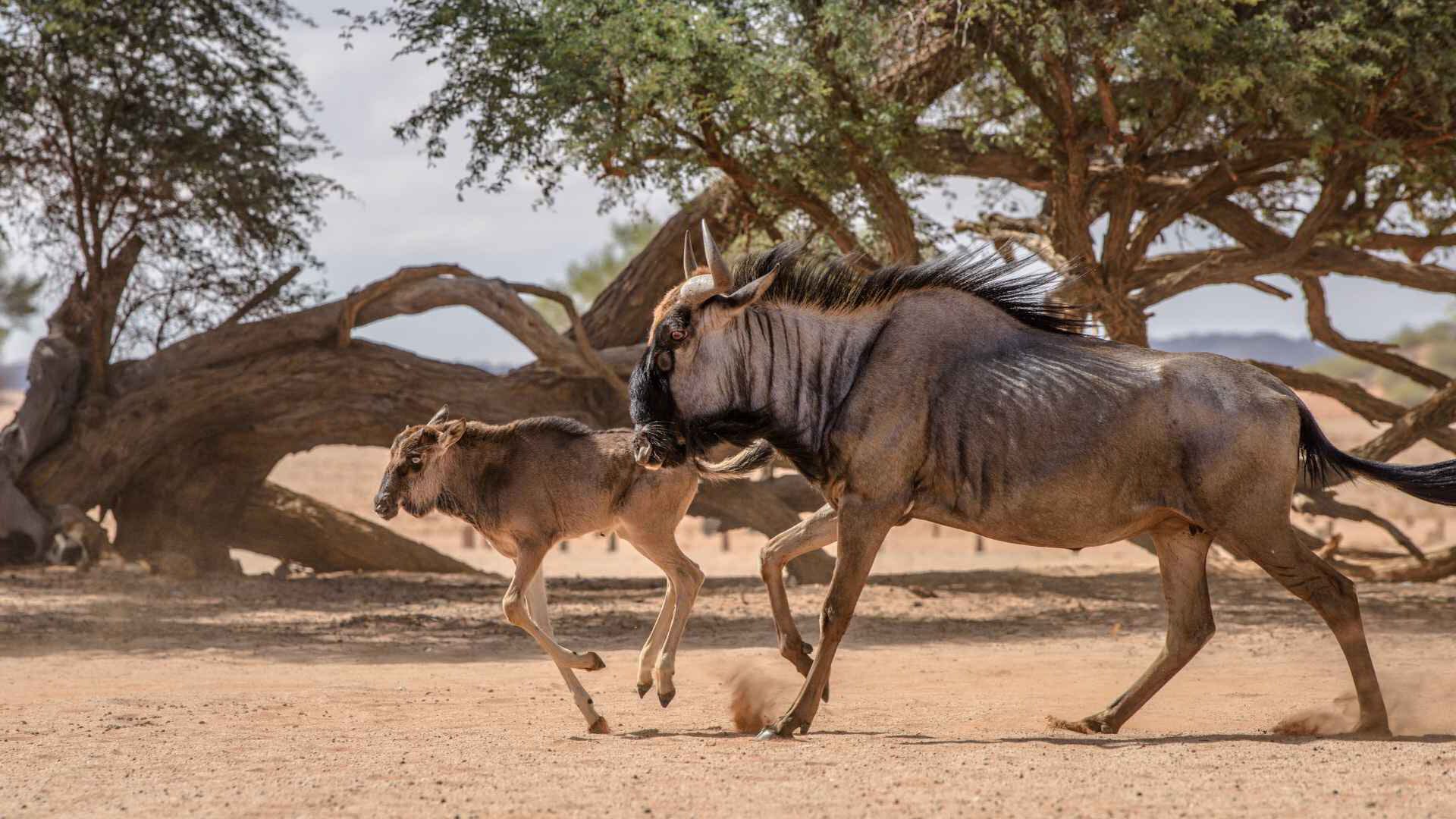
December to March, the herds calve in the southern Serengeti. Half a million wildebeest born in three weeks, predators in numbers you will not see anywhere else. April and May the herds move north through the central Serengeti, often through rain. June into July they reach the Grumeti, the first river crossings. Late July through October they sit between the northern Serengeti and the Mara, crossing the Mara River and back across again. November they begin the trip south, and the loop starts over.
We position you for the chapter you want, not the chapter the brochure sells. The river crossings in the Mara are extraordinary, but they are also the busiest period of the year. Travellers who want migration density without the vehicle traffic do well in the southern Serengeti in February or the northern Serengeti in late September after the peak crowds have left.
Vast herds of wildebeest, zebra and gazelle move on a roughly annual loop between the Serengeti and the Masai Mara. Tap a window to see where the herd tends to be. We plan around the herd's actual location at the time you travel.
Why this kind of trip
01
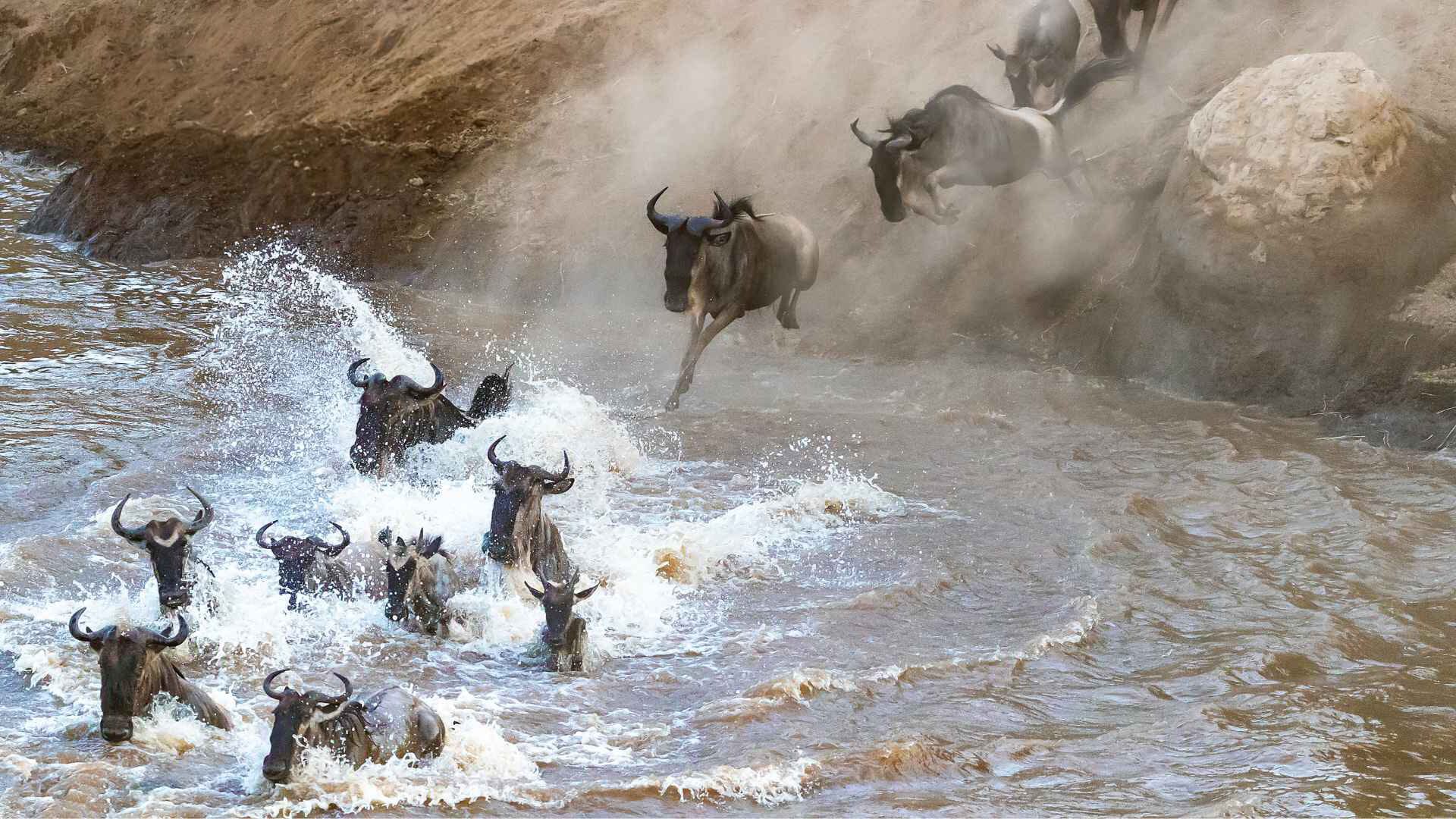
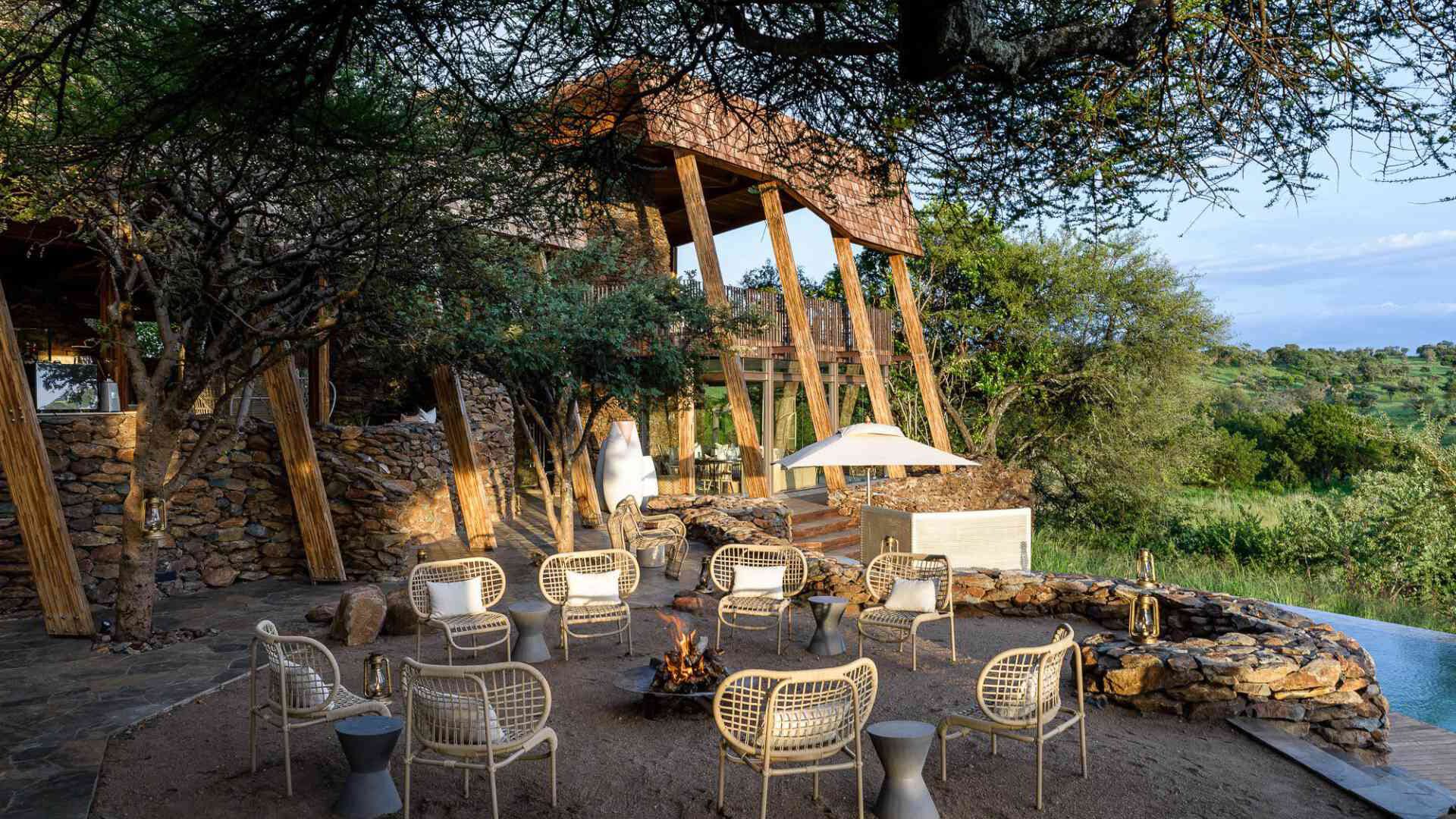
The right way to track the migration is from a lodge that moves with it. We use mobile operations that relocate seasonally so that your drives start close to the animals rather than spending two hours getting to them. Position matters more than the lodge name.
02
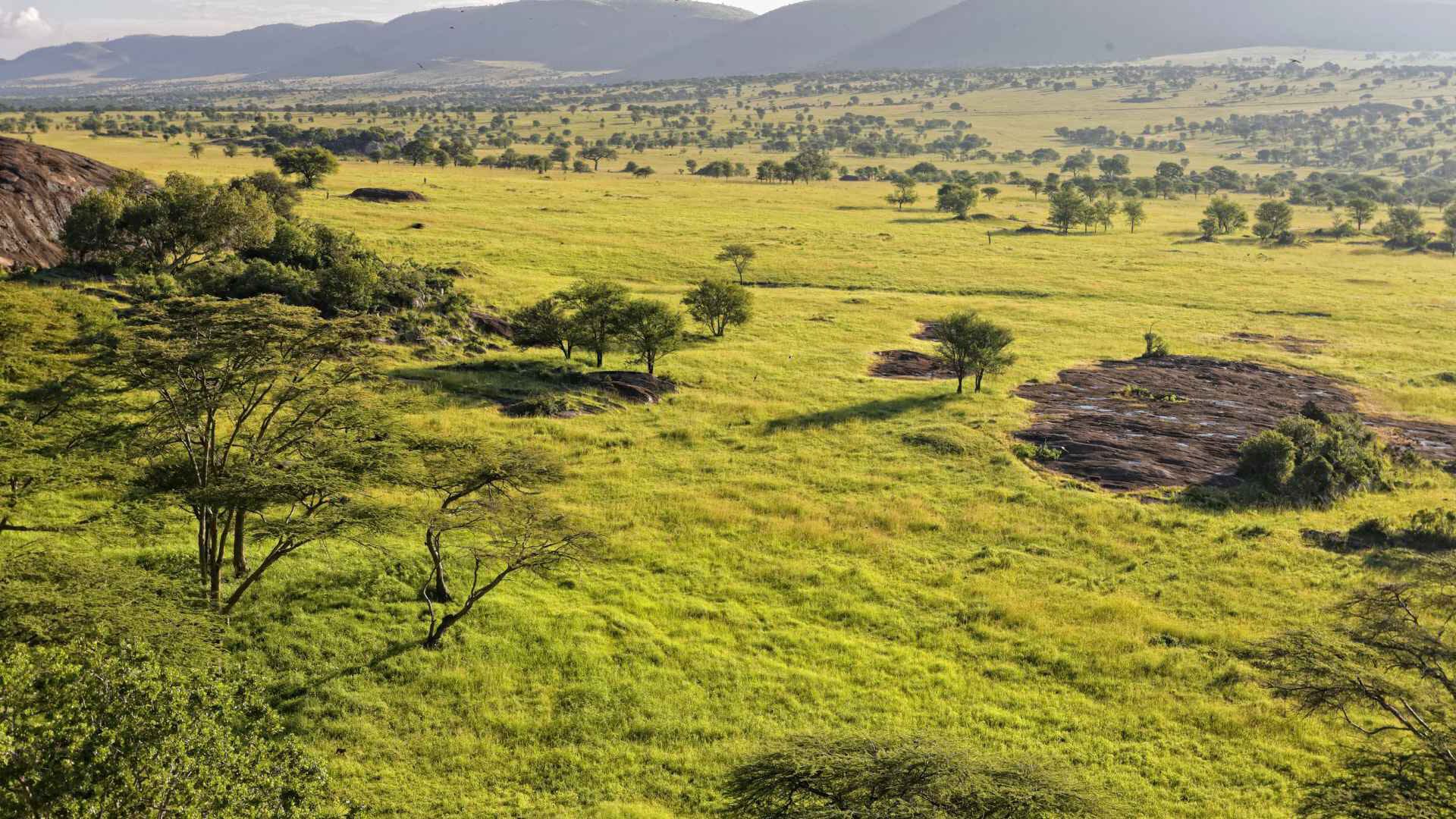
The calving season at Ndutu in February brings newborns and the predator concentration that follows them. The river crossings in the Mara happen July through September and are dramatic but unpredictable. We set expectations for each window honestly so you are not disappointed when the wildebeest are not where the photographs suggested they would be.
03
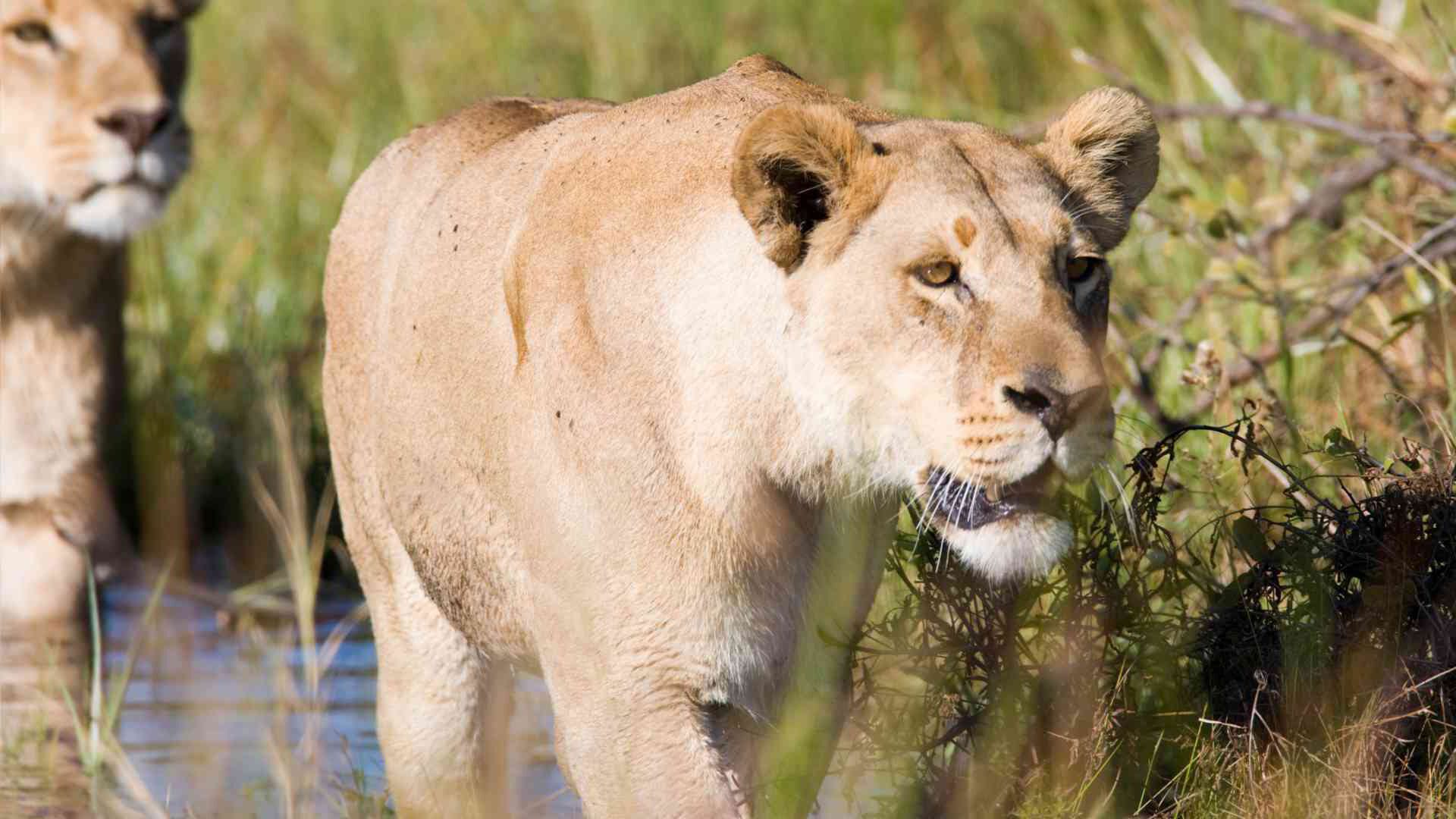
The private conservancies bordering the Mara Reserve offer game drives with fewer vehicles and walking on open ground. For travellers doing the July to September crossing window, we pair a Serengeti leg with two or three nights in a conservancy across the border for the Kenyan side of the crossings.
04
Migration safaris tempt people into over-itinerating. Three nights in one sector is enough to catch the movement without spending all your time in a vehicle. We build in slower days so the drives feel chosen, not obligatory.
Sample journeys
Each one is a starting point. Lodge positions, seasonal trade-offs and route options are covered in the planning conversation.
01
Southern Serengeti in February.
Five nights in the Ndutu area, with lodge positioned on the short-grass plains where the calving concentrates. Cheetah, lion and hyena follow the herds here in numbers that are hard to find at other times of year. Two nights in Ngorongoro Crater as a second leg, then back through Arusha. The quietest of the three windows and, for many people, the one that surprises them most.

02
Northern Serengeti and Masai Mara conservancies in August.
Four nights in the northern Serengeti, positioned close to the Mara river, then a small charter across to three nights in a private Mara conservancy. The crossing itself can happen multiple times a day or not at all for a full week, so we build the itinerary around the wait rather than promising a specific date. The drive quality on both sides of the border is excellent regardless.

03
Seronera and Grumeti in May.
Five nights in the central Serengeti as the herds move north through the long grass toward the Grumeti river. The Grumeti crossing is less documented than the Mara but offers the same drama with far fewer vehicles present. Pair with two nights in Ngorongoro for the crater floor and a complete change of pace before flying home.
“
The migration is twelve months of movement, not a July river crossing. The chapter you want decides where you sleep.
Sian Loehrer · Co-founder, Marula Hill
From a recent trip
★★★★★
There are so many choices, but the team met with us, helped narrow down our options, and did a superb job at selecting accommodations for us. Each one was beyond our expectations and we loved every minute of it.
Sue W., eight-night South African safari, June 2025
Read all 192 reviews on Google →
The process
There is no algorithm picking your lodges. From the first message to the day you fly home, you deal with real people who care about this as deeply as you do.
1Talk2Propose3Refine4Travel01
We start with a call or a long message. No commitment, no quote forms. We want to understand the trip you are imagining, your travel history, your budget, and what you have always quietly wanted Africa to give you.
02
We do not just suggest the obvious. We bring options you would not have found on your own: the newly reopened concession, the off-peak rate at the lodge that is usually full, the combination of regions that works for your dates.
03
We iterate together. There is no pressure. Some clients take three conversations to land a trip, others take two weeks. We only confirm the booking when you are completely certain.
04
Pre-trip prep, packing notes, what to expect on the ground. A direct line to us while you are travelling. If anything changes on the trip, we handle it before you have to think about it.
Ready to start?
No commitment. No quote forms. Just a conversation with people who know the continent and know how to get you there in style.
Common questions
When is the best time to see the river crossings?
The Mara river crossings typically happen between late July and early October, with August being the peak. They are, however, unpredictable. The herds may cross multiple times in a single day or wait for several days before committing. We build itineraries that account for the wait so the trip holds its value either way.
What is the calving season and is it worth seeing?
The calving season runs through January and February in the Ndutu area of the southern Serengeti. Around 8,000 wildebeest calves are born daily at the peak. The predator activity that follows is some of the best on the continent. It is also quieter than the Mara crossing season and often overlooked.
Do the mobile lodges move while you are staying in them?
No. Mobile lodges relocate between seasons, not between guest stays. You arrive at a lodge that has already been positioned for the current migration movement. Some operations do shift mid-season, but transitions are always between guest stays and happen well in advance.
Is Tanzania or Kenya better for the migration?
The migration spends most of the year in Tanzania. The Kenyan Masai Mara only becomes relevant for the July to October crossing window. For calving season and the May grass plains, Tanzania is the right base. For the crossings, the best itineraries use both sides of the border.
How many nights do I need?
We recommend at least five nights in a single migration sector to give yourself a realistic chance of seeing the movement at its best. Shorter stays are possible but they leave less room for the weather, the herds and the timing to come together.
From the journal
192Google reviews · 5-star ratingSATSA Member, BondedOwner-led A planner, not a call centreOn the ground Based in Greater Kruger
Written by Sian Loehrer, Marula Hill
Plan it properly
Tell us roughly what you are thinking. Vikki or Sian will reply personally.
Where are you thinking?Choose a destination (optional)AntarcticaBotswanaIndian Ocean islandsKenyaMozambiqueNamibiaRwandaSouth AfricaTanzaniaUgandaZambiaZimbabwe▾Tell us about your trip
Plan it properly
Three ways to begin. Pick whichever feels easiest.
By note
Tell us roughly what you are thinking. Vikki or Sian will reply personally.
Send a noteBy email
Write to Sian directly, with Vikki copied. No forms in between.
Email usBy WhatsApp
Quickest if you have a short question. We answer between game drives and meetings.
Open WhatsAppOne of us will write back.
