Luxury South Africa safari, leopard draped along a sausage tree fork in the Sabi Sand at golden hour, tail dangling, dappled green canopy above

South Africa Safari Guide

South Africa, where the bush meets a city worth flying for

The only safari country with a wine region attached.

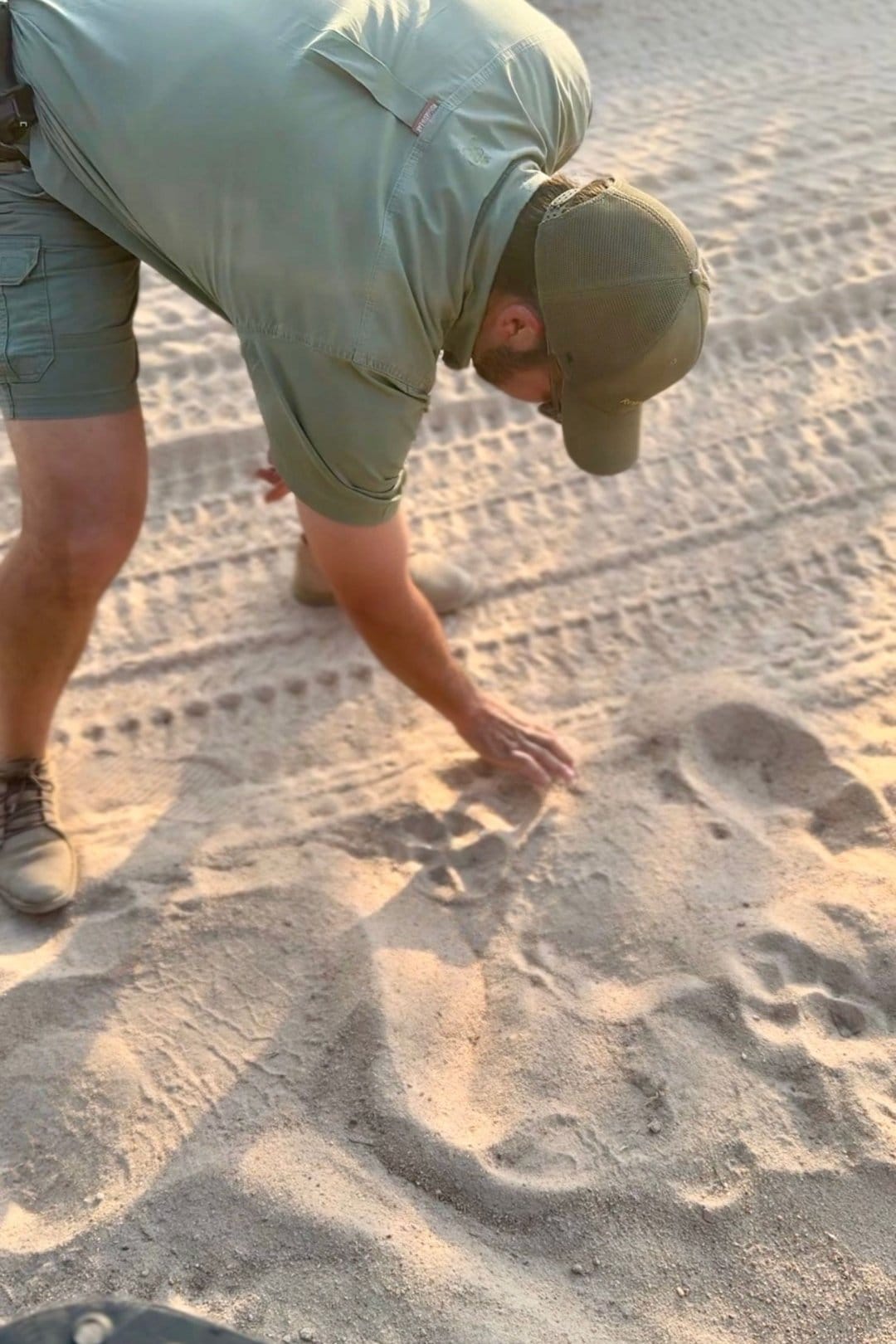
Guide identifying tracks in the sand

Why South Africa

What does a South African trip include?

A South African trip is rarely one thing. Most of our guests pair a stretch in the bush with time in Cape Town, the Winelands, or the Garden Route, and the country is built for this kind of layering. Johannesburg and Cape Town are the two international gateways, and from both there are short scheduled flights into the reserves, so an open-jaw trip (in to one city, out of the other) is the standard way we route it.

The bush itself sits in pockets across the country. The Sabi Sand and the wider Greater Kruger ecosystem in the east hold South Africa's highest recorded leopard densities, and its most vehicle-habituated leopards. Phinda, in KwaZulu-Natal, runs Big Five game drives in the morning and Indian Ocean snorkelling in the afternoon. Madikwe, Welgevonden, and Marataba sit closer to Johannesburg and are all malaria-free, which makes them the easier call for young families and first-time travellers.

South Africa is also the practical base for the rest of southern Africa. From Johannesburg we can connect guests onto Victoria Falls for two or three nights on the Zambezi, or onto Vilanculos and the Bazaruto Archipelago for a soft landing on the Mozambican coast after the bush. That ability to start in one country and end in another, without long overland transfers, is part of why South Africa earns its place at the centre of so many of the trips we plan.

What this country does best

What South Africa does best

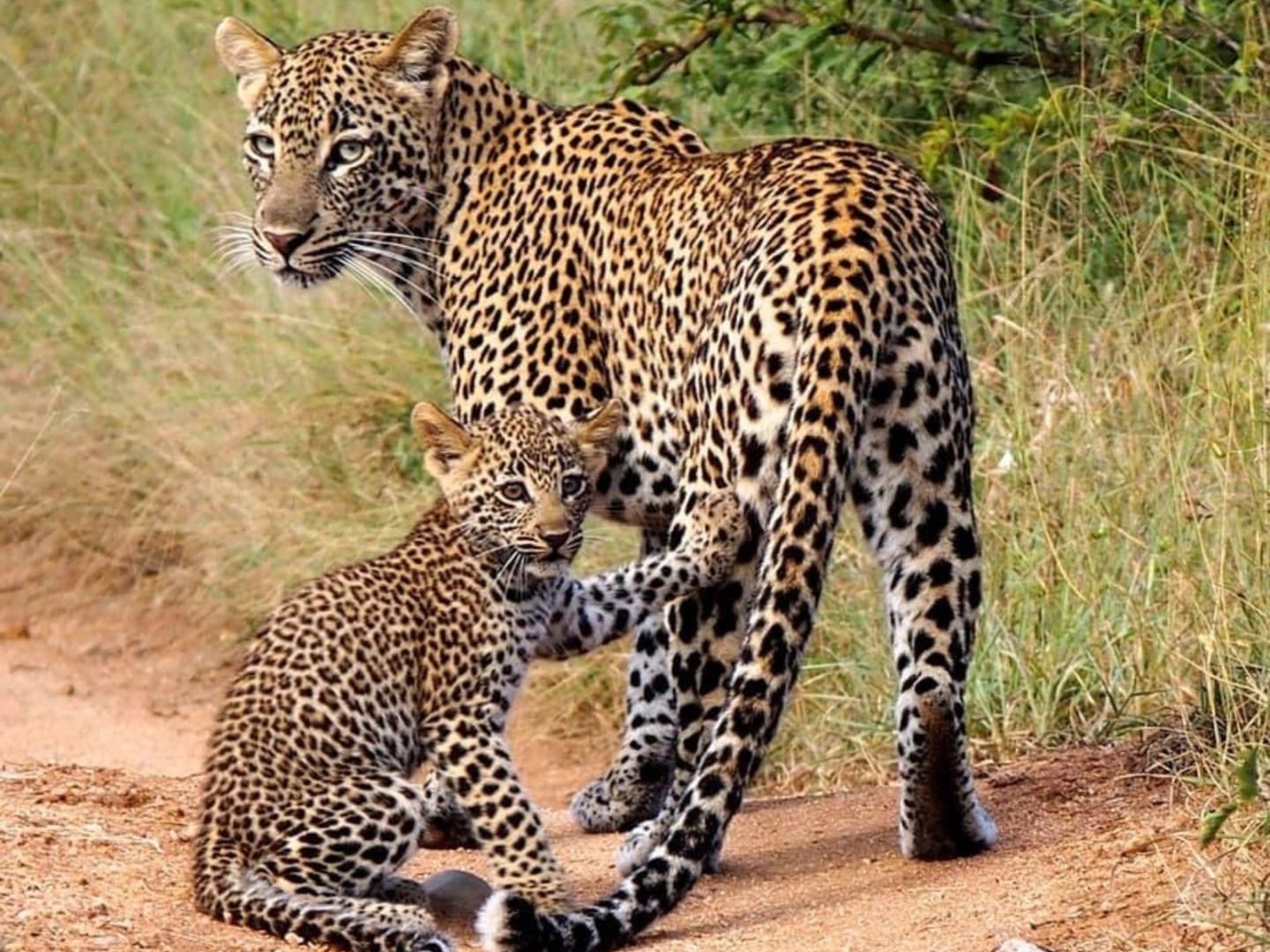
A leopard mother and her cub on a sandy track in the Sabi Sand, the cub seated at her feet
01

Leopards in the Sabi Sand

The highest recorded leopard density in South Africa, and leopards habituated to vehicles over decades. Some of the cats here have been followed by guides since they were cubs, which means daylight sightings of behaviour you would never see anywhere else. A mother teaching her young to climb. A male marking territory three metres from the vehicle.

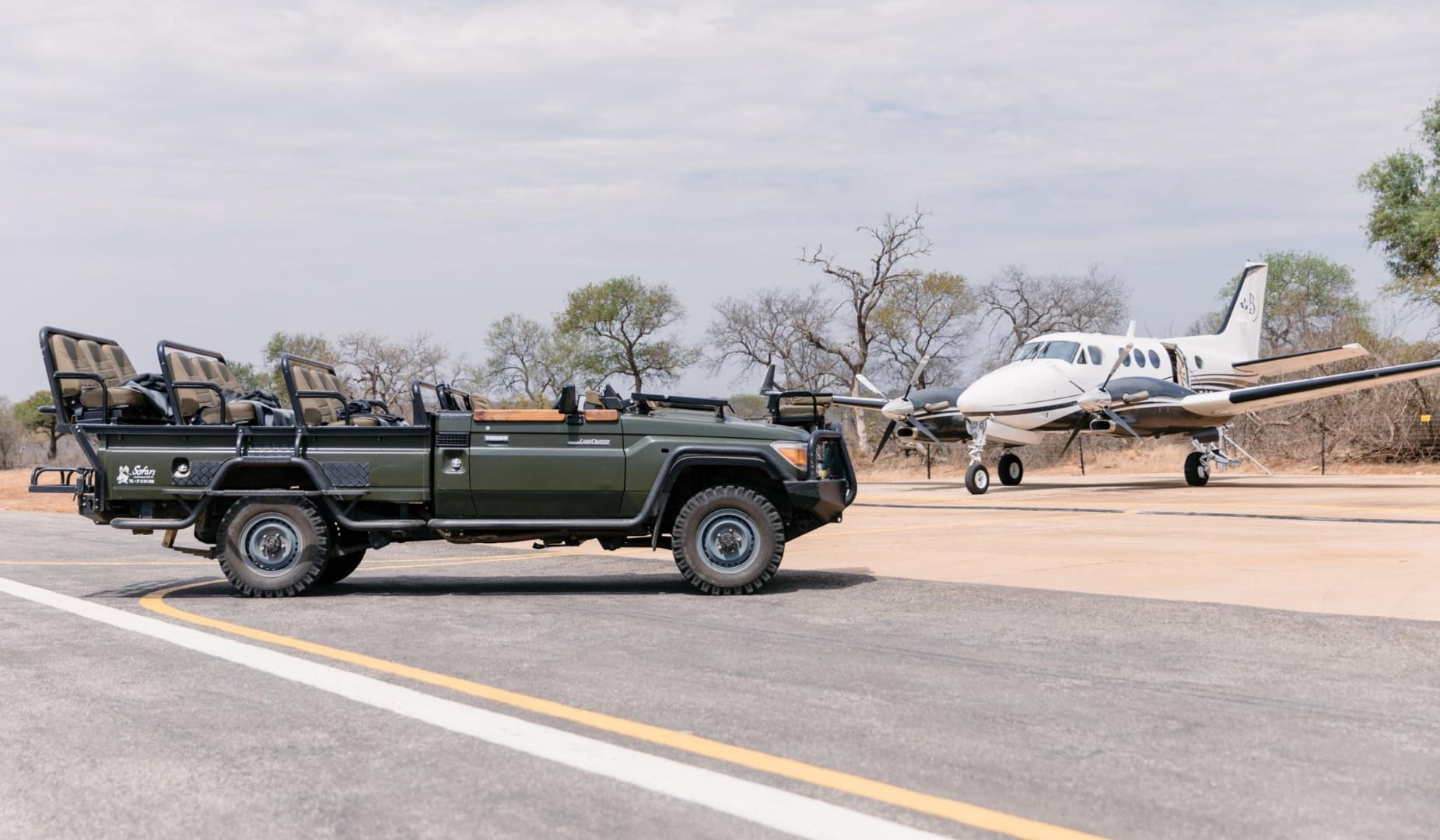
Open safari vehicle on the airstrip next to a small turboprop in the Sabi Sand, the bush-to-city transfer that makes a one-trip pairing possible
02

Bush and city in one trip

When they are running, flights connect the Sabi Sand to Cape Town without a backtrack. Otherwise it is Johannesburg, and still the same day. You can wake up to a lion calling at five, drink a coffee on the deck, fly out at eleven, and be eating dinner on the harbour by seven. No other safari country lets you do that in a single day.

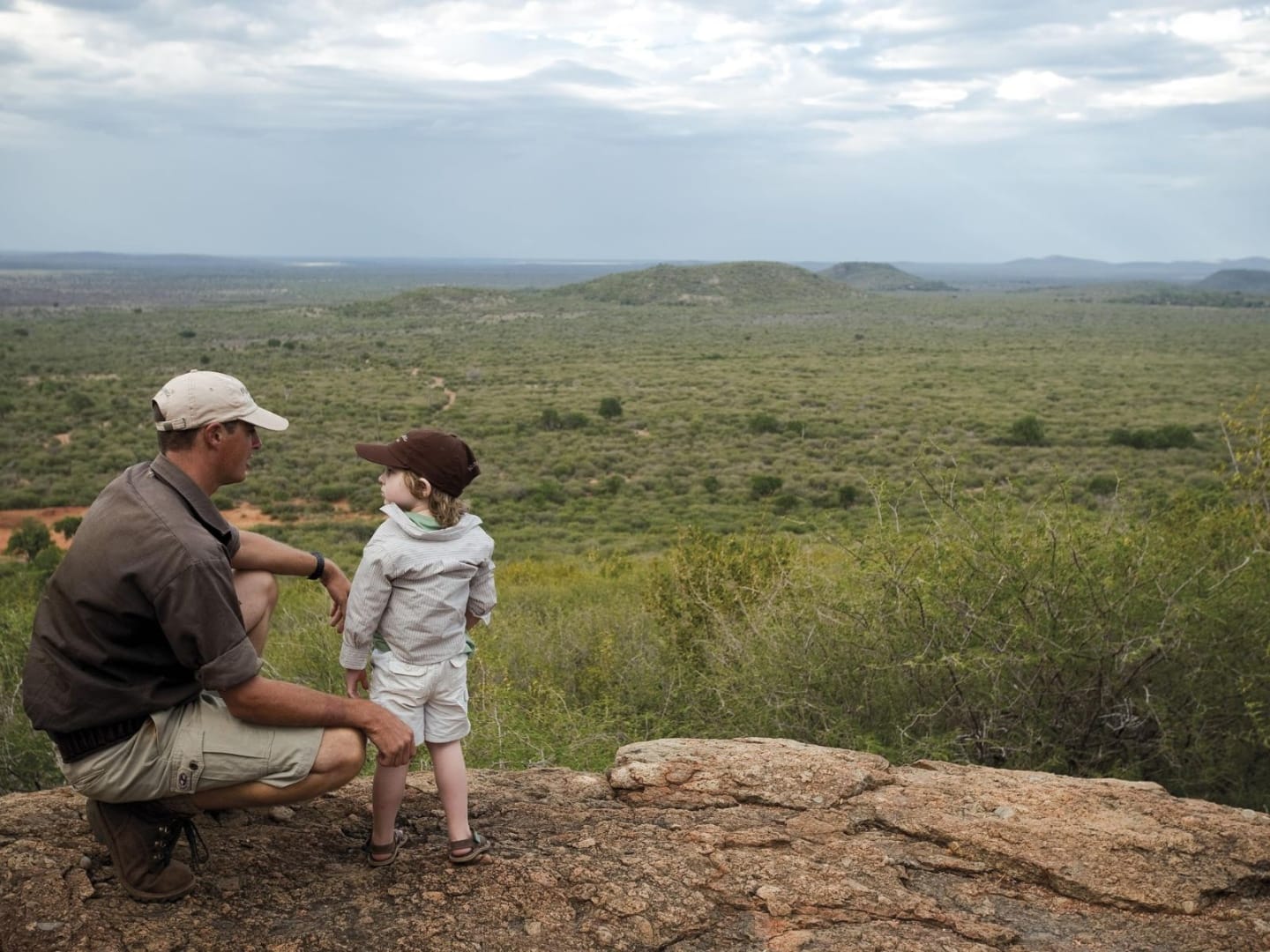
A father and his young son crouched on a rocky koppie in Madikwe, looking out across the malaria-free bushveld
03

Malaria-free family safaris

Phinda, Madikwe, the Eastern Cape and the Welgevonden are all Big Five reserves outside the malaria zone. That matters when you are travelling with young children, pregnant, or simply want to skip prophylaxis. The wildlife is properly wild, the lodges are calibrated for families, and the medical conversation gets simpler.

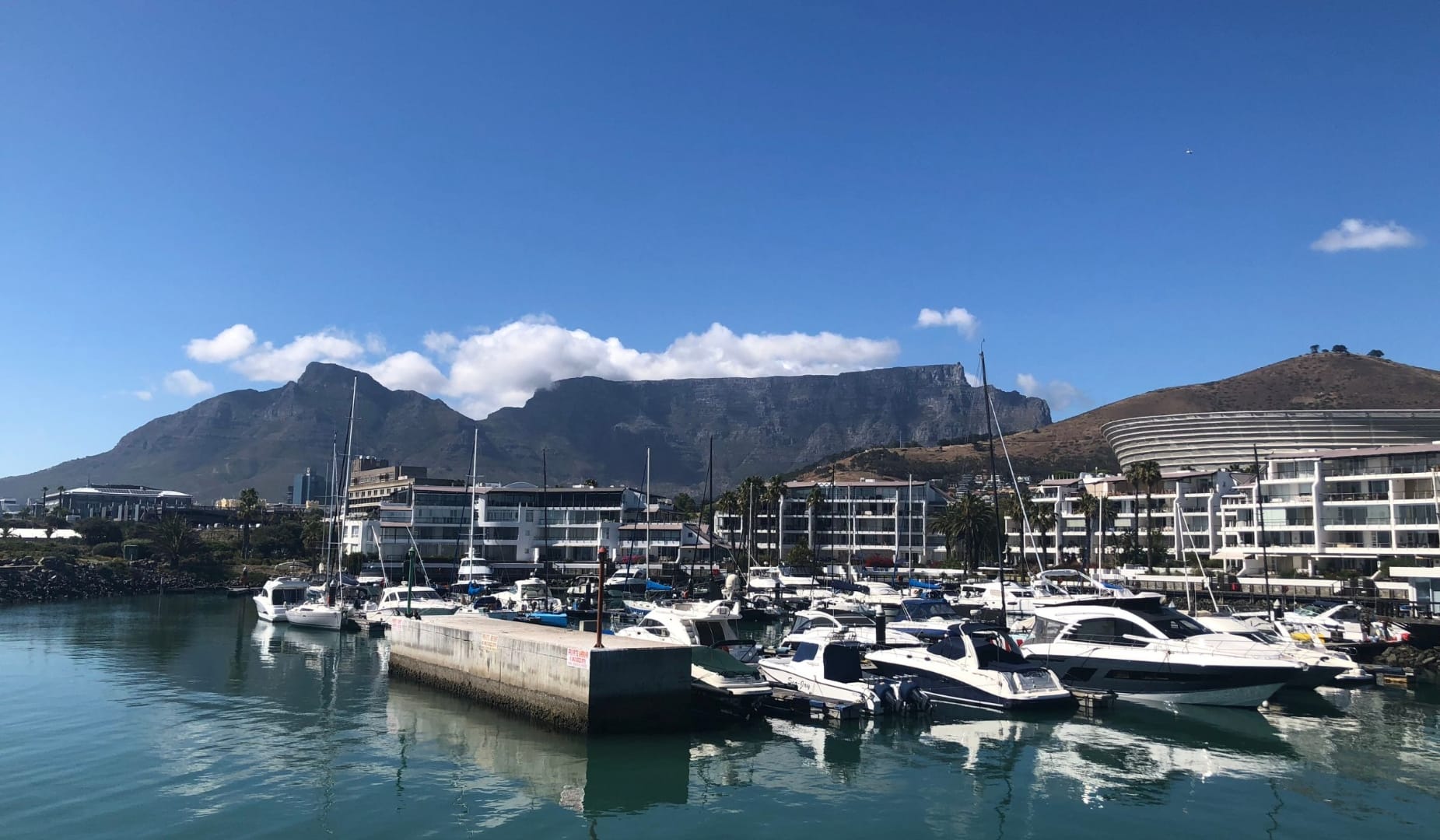
Table Mountain rising behind the V and A marina in Cape Town, yachts moored in still harbour water
04

Cape Town as a city break

Most safari countries pair you with a market town and a transit hotel. South Africa pairs you with one of the great coastal cities in the world. Table Mountain rises behind it and the Atlantic and Indian oceans meet at its tip. We slot it in before or after the bush, three to five nights.

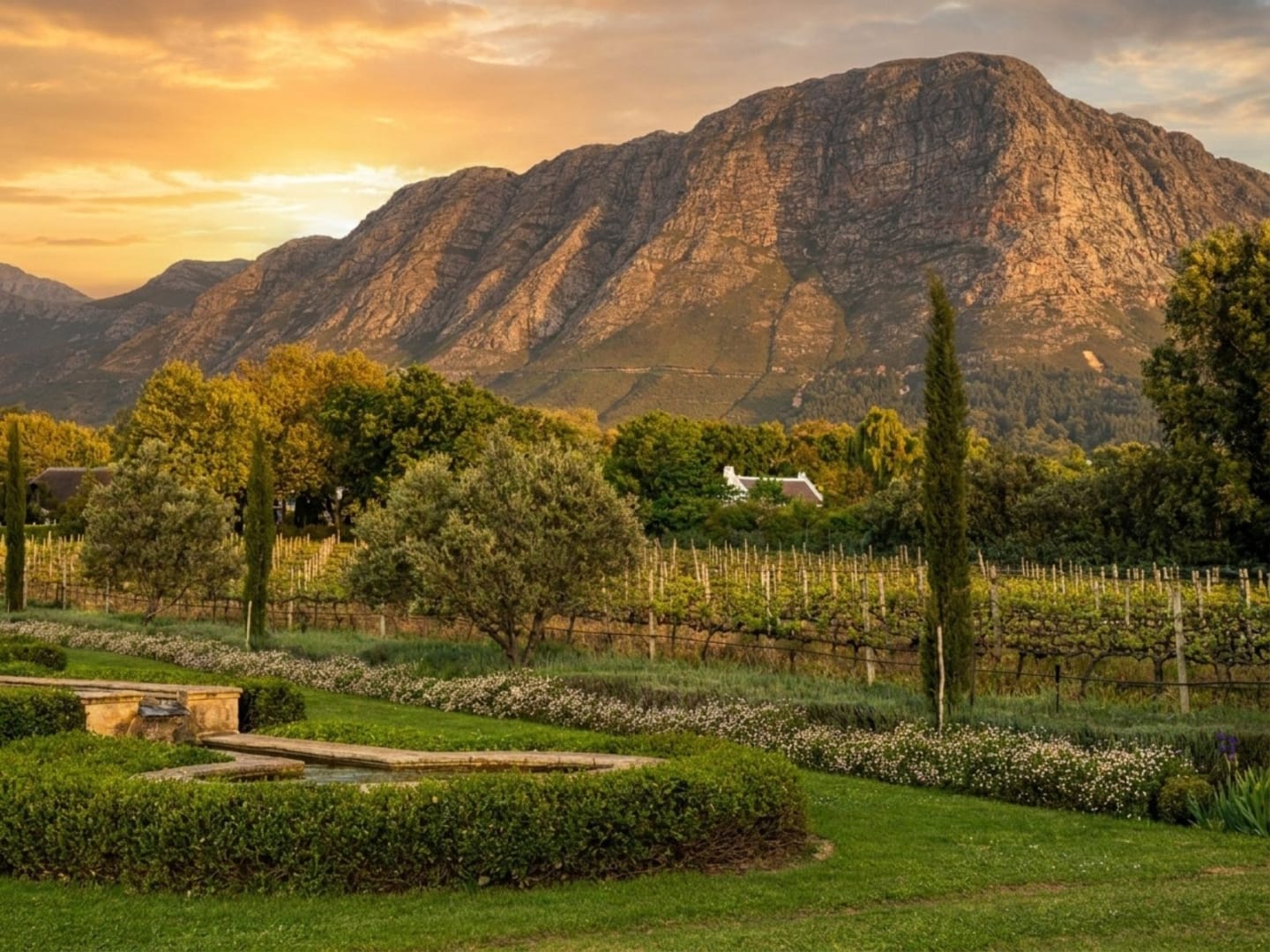
Franschhoek vineyard at golden hour with a white Cape Dutch farmhouse, cypress trees and the Drakenstein mountain behind
05

The Winelands

An hour from Cape Town. Cape Dutch architecture, Chenin Blanc and Pinotage off old bush vines, country house hotels on working farms. Lunch is the main event. Two nights here resets you between the bush and the coast.

Southern right whale breaching off the cliffs at Hermanus on the Garden Route
06

The Garden Route and the whales

The Indian Ocean coastline from Hermanus to Plettenberg Bay. Whale watching from June to November, mostly southern rights with the occasional humpback or Bryde's whale. Forest walks in Tsitsikamma. Oyster farms in Knysna. A useful counterpoint to the Atlantic side of the country.

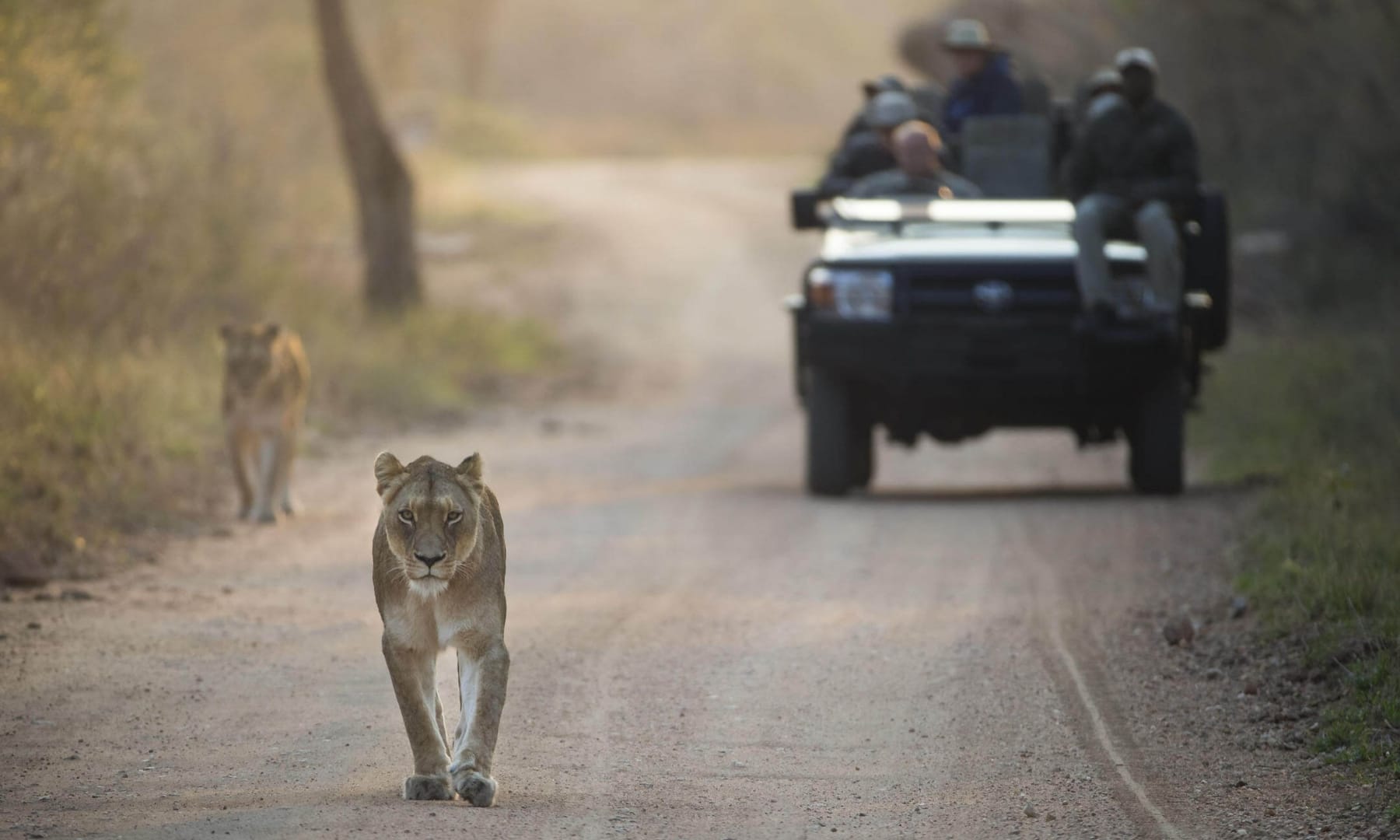
A lioness walks down a sandy track at first light in the Sabi Sand, a safari vehicle paused on the right of the road

Where, specifically

Where, specifically

Guests on a granite koppie at sundown, vehicle parked behind, Greater Kruger

01 · The flagship

Sabi Sand & Greater Kruger

The flagship safari area in southern Africa. The Sabi Sand and the private reserves of the Greater Kruger (Timbavati, Thornybush, Klaserie, Manyeleti) sit on an unfenced border with Kruger National Park. Off-road driving, night drives and walking are all permitted. Leopard density is the highest recorded in South Africa. Three to four nights for most first-timers.
Table Mountain rising behind the V and A marina in Cape Town

05 · City & wine

Cape Town & the Winelands

Three to five nights in Cape Town and one to two in the Winelands. Table Mountain, Camps Bay, Constantia, the Cape Peninsula on one side. Franschhoek and Stellenbosch an hour east, where lunch on a wine farm is the main event of the day. The most-booked add-on to any South Africa trip we plan.

View across the rolling hills of the Phinda Private Game Reserve in KwaZulu-Natal at first light

02 · East coast

Phinda & KwaZulu-Natal

South Africa's east coast province. Phinda is the standout: nearly 30,000 hectares of seven distinct habitats, strong rhino populations, and lodges that work for families. Pairs well with a few days on the Indian Ocean coast for travellers who want a beach add-on without flying back to the Cape.

Madikwe Game Reserve, two elephants pass an open game vehicle on red earth

03 · Malaria-free

Madikwe

Malaria-free Big Five country on the Botswana border. Drives directly from Johannesburg in around four hours, which makes it the most practical safari for families with young children and for clients who want a short, sharp bush extension without an internal flight.

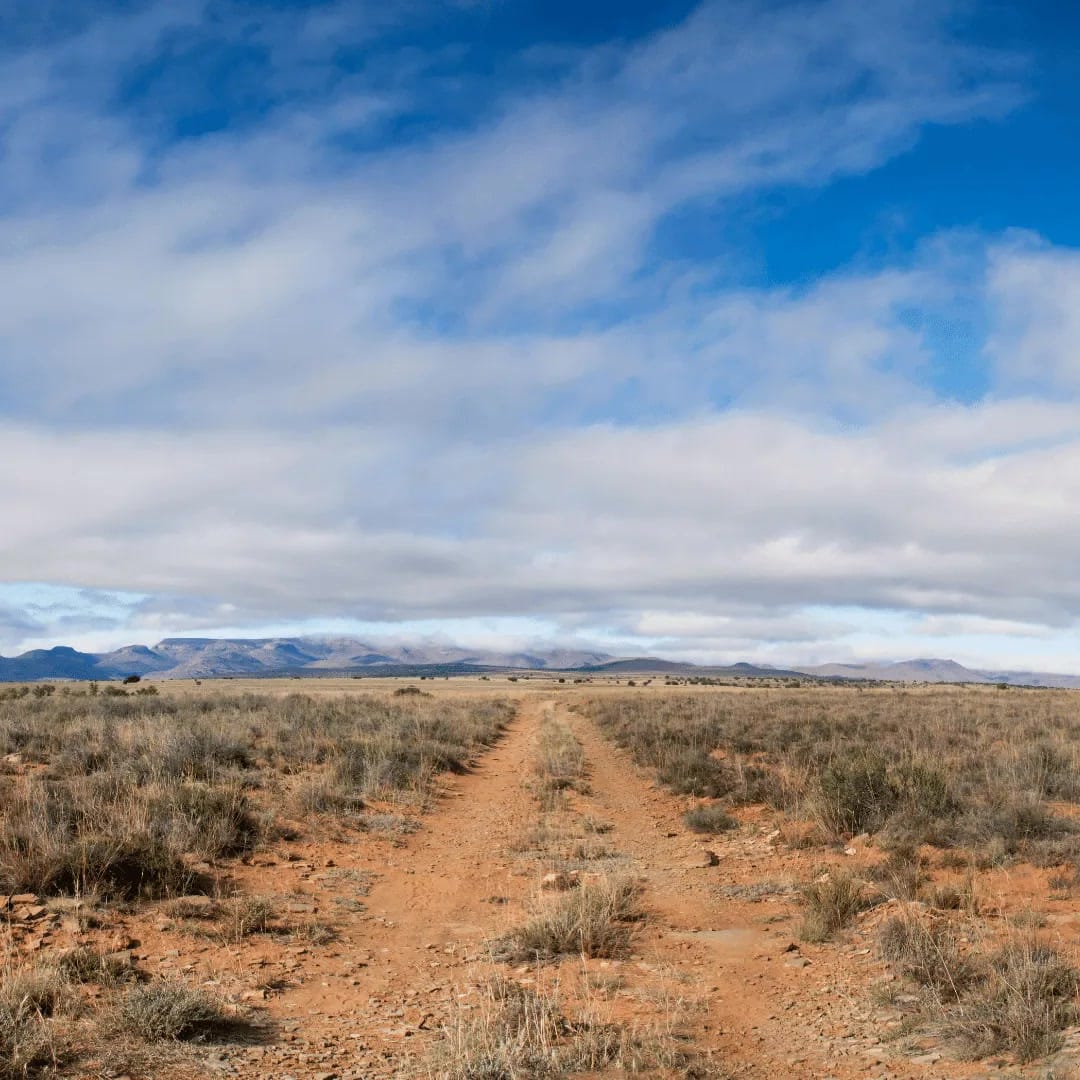
Vehicle on a dust road in the Eastern Cape, malaria-free Big Five country backed by Karoo hills

04 · South coast

Eastern Cape

Malaria-free Big Five reserves on the south coast: Kwandwe, Samara, Shamwari. Within driving range of the Garden Route, so they slot naturally into a Cape Town to Garden Route route. Drier, scrubbier country than the Sabi Sand. The wildlife is excellent and the medical conversation is shorter.

Southern right whale breaching off the cliffs at Hermanus

06 · Coastal

The Garden Route

The N2 coastal route from Hermanus to Plettenberg Bay. Whale watching from June to November, the Tsitsikamma forest, Knysna lagoon, and the Robberg peninsula. Taken slowly over four to seven nights, often paired with Cape Town at one end and a Sabi Sand bush stay at the other.

Guests on a granite koppie at sundown, vehicle parked behind, Greater Kruger
View across the rolling hills of the Phinda Private Game Reserve in KwaZulu-Natal at first light
Madikwe Game Reserve, two elephants pass an open game vehicle on red earth in dry winter light, the tracker in the foreground watching from his seat on the bonnet
Vehicle on a dust road in the Eastern Cape, malaria-free Big Five country backed by Karoo hills
Table Mountain rising behind the V and A marina in Cape Town, yachts moored in still harbour water
Southern right whale breaching off the cliffs at Hermanus on the South African Garden Route

01 · The flagship

Sabi Sand & Greater Kruger

The flagship safari area in southern Africa. The Sabi Sand and the private reserves of the Greater Kruger (Timbavati, Thornybush, Klaserie, Manyeleti) sit on an unfenced border with Kruger National Park. Off-road driving, night drives and walking are all permitted, with strict caps on vehicle numbers at sightings. Leopard density is the highest recorded in South Africa, and the lodges are among the best in Africa. Most first-time clients spend three to four nights here.

02 · East coast

Phinda & KwaZulu-Natal

South Africa's east coast province. Phinda is the standout: nearly 30,000 hectares of seven distinct habitats, strong rhino populations, and lodges that work for families. The wider region adds Hluhluwe-iMfolozi, the iSimangaliso wetlands and the Drakensberg mountains. KwaZulu-Natal pairs well with a few days on the Indian Ocean coast for travellers who want a beach add-on without flying back to the Cape.

03 · Malaria-free

Madikwe

Malaria-free Big Five country in the North West, on the Botswana border. Drives directly from Johannesburg in around four hours, which makes it the most practical safari for families with young children and for clients who want a short, sharp bush extension without an internal flight. The reserve is private, the predator density is good, and the lodges range from family-friendly to full luxury.

04 · South coast

Eastern Cape

Malaria-free Big Five reserves on the south coast: Kwandwe, Samara, Shamwari. They sit within driving range of the Garden Route, which makes them the obvious safari chapter for travellers already on a Cape Town to Garden Route route. Drier, scrubbier country than the Sabi Sand. The wildlife is excellent and the medical conversation is shorter.

05 · City & wine

Cape Town & the Winelands

Three to five nights in Cape Town and one to two in the Winelands. Table Mountain, Camps Bay, Constantia and the Cape Peninsula on one side. Franschhoek and Stellenbosch an hour east, where lunch on a wine farm is the main event of the day. Helicopter flips, walking trails, art galleries, oceans on both sides of the city. The most-booked add-on to any South Africa trip we plan.

06 · Coastal

The Garden Route

The N2 coastal route from Hermanus to Plettenberg Bay. Whale watching at Hermanus from June to November, the Tsitsikamma forest, Knysna lagoon, and the Robberg peninsula. A self-drive or chauffeured route taken slowly over four to seven nights, often paired with two or three nights in Cape Town at one end and a Sabi Sand bush stay at the other. The best soft-edge add-on the country has.

When to be here

We don't ask when you want to go. We ask what you want from it

South Africa works year-round, and the right month depends on whether your priority is the bush, the coast, or both. Four ways to think about it.

For the bush

Sabi Sand and Kruger at peak

May – September

Cool dry months in the lowveld. Vegetation thins, water sources concentrate, and predator action peaks. Mornings are cold, days mild, sightings consistent. The traditional safari season and the easiest time to combine bush and city.

For the coast

Cape Town summer

December – February

Cape Town's summer. Long warm days, the Atlantic swimmable from Camps Bay, the wine farms at full tilt. The bush is hot and bushy in this period, so most travellers do the Eastern Cape or Madikwe rather than the Sabi Sand. Book early. Local school holidays push prices up.

For the whales

Hermanus and the southern coast

July – November

Southern right whales calve in the bay at Hermanus from late June. Numbers peak August to October, when 50 to 100 individuals can be in the bay at once. The bush is also at its best in the same months, which makes this a strong window for a combined trip.

For value

The shoulder months

March – April, November

Our quiet favourites. The bush is greening up or drying down, lodges are quieter, rates drop 20 to 30 percent. Cape Town is mild and uncrowded. Weather is less reliable than the peak, but the trade-off in value and atmosphere is worth it for second-time travellers.

South Africa month by month

JanuaryJan
FebruaryFeb
MarchMar
AprilApr
MayMay
JuneJun
JulyJul
AugustAug
SeptemberSep
OctoberOct
NovemberNov
DecemberDec
  • Peak dry · Jul, Aug · best game, highest rates, book a year ahead
  • Dry · May, Jun, Sep, Oct · excellent game viewing, fewer vehicles
  • Shoulder · Mar, Apr, Nov · green bush returning, softer rates
  • Green season · Dec, Jan, Feb · lush, birds and newborns, best for Cape Town
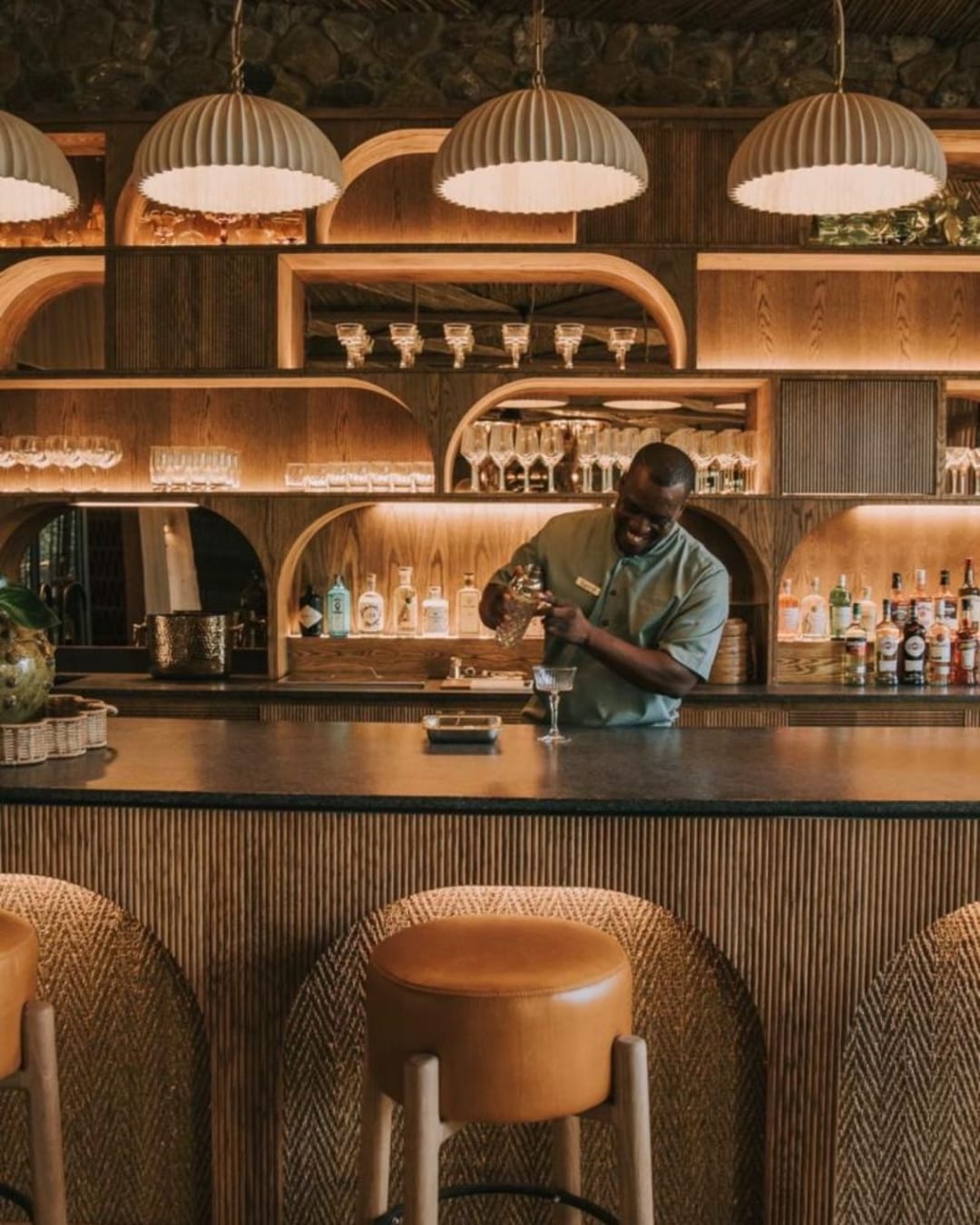
A bartender pours sundowners at a sculptural lodge bar in the Greater Kruger, the bush leg of our nine-night Cape to Kruger journey

A signature South Africa trip

Cape to Kruger, nine nights across South Africa

Three nights in Cape Town, two in Franschhoek for the Winelands, then four in the Greater Kruger at Thornybush. The two halves of the country in a single passport stamp. Internal flights are short and the pacing gives you time in each.

  • Nights9
  • RouteCape Town · Franschhoek · Thornybush
View sample itinerary →

A starting point, not a fixed package. We rebuild every itinerary around the traveller.

What it costs

What a South African safari costs

Per person, per night, sharing. All-inclusive of accommodation, meals, drinks, twice-daily game activities, park fees, and lodge transfers. Sabi Sand and Kruger lodges are accessible by short scheduled flights from Johannesburg or by road. Cape Town and the Winelands are priced separately as city and country stays.

4-star plus

From $900 to $1,200

per person, per night, sharing

5-star

From $1,200 to $2,600

per person, per night, sharing

5-star premium

From $2,600 to $3,100

per person, per night, sharing

Cape Town and the Winelands work on a different model. Boutique hotels and country house stays run from $400 to $1,500 per room per night. A typical nine-night trip of three nights Cape Town, two Winelands, four Sabi Sand sits between $7,500 and $18,000 per person all-in, depending on the lodges chosen. Peak (June to October for the bush, December to February for the coast) runs 30 to 50 percent above the green months.

Is South Africa right for you

Best for, and not ideal for

The Sabi Sand First-timers, leopard-focused, vehicle-based luxury. Habituated leopards in daylight, a dense cluster of five-star lodges, and ninety minutes from Johannesburg. The most cinematic introduction to safari there is.
You want fewer vehicles than animals The Sabi Sand caps numbers at sightings, but it is not the Okavango. If a quiet bush is the point, Botswana is the more honest answer.
Phinda or Madikwe Families with young children, malaria-free, and rhino-led conservation storytelling. Phinda's seven habitats in one reserve and andBeyond's rhino programme make it one of the most rewarding family-friendly safaris we book.
You want classic Big Five density at every drive These reserves are spectacular, but the Sabi Sand still leads on Big Five consistency. Pick on story, not on numbers alone.
The Eastern Cape and the Winelands Malaria-free travellers who want wine, food and culture woven into the safari. Shamwari, Kwandwe and Samara sit within a half-day of Franschhoek for the cleanest bush-and-vine pairing in the country.
You want one classic, dramatic bush week This is the version of South Africa that suits travellers who treat safari as one chapter in a longer trip. If safari is the whole point, head to the Sabi Sand or Phinda.
Cape Town bookending the bush Couples and second-timers who want one editorial week. A Winelands lunch on Tuesday and a sundowner over the Sabie River on Friday is a real itinerary, not a hypothetical.
You only have five nights South Africa rewards time. Under a week and you have to choose between bush and city. Most clients regret the rush.

Typical length: 7 to 12 nights, with Cape Town factored in.

Most journeys are not one country

What South Africa pairs with

Most clients combine South Africa with one of its neighbours. Botswana's Okavango Delta is the obvious pairing. The flights between the Sabi Sand and Maun are straightforward and the two safari styles (vehicle-based bushveld in the Sabi Sand, water-based in the Delta) complement each other. Victoria Falls in Zimbabwe is the natural bookend, often added for two or three nights between safari and the long flight home.

For travellers with more time, Zambia (South Luangwa for walking, Lower Zambezi for canoeing) extends the safari side, and Namibia adds desert landscape and the Skeleton Coast for clients who want the bush followed by something stranger. Mozambique adds an Indian Ocean coast for clients who want the bush and the beach in one trip. Cape Town and the Winelands work as the soft start or finish to any of these journeys.

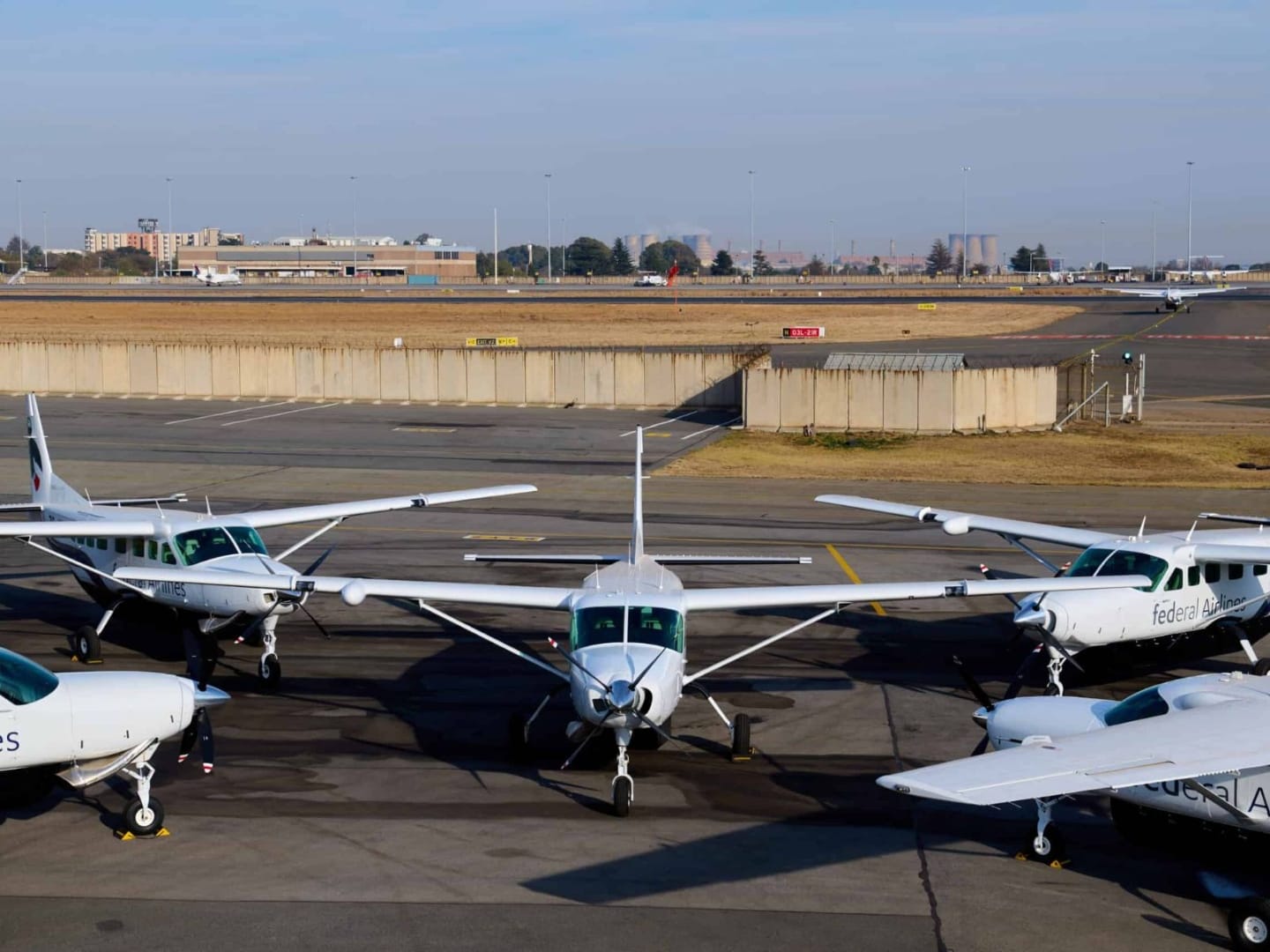
A fleet of Federal Airlines Cessna Caravan light aircraft parked on the apron at a Johannesburg airfield, the small turboprops that fly safari guests from the city to bush airstrips across South Africa

Before you go

Frequently asked questions about South African safaris

When is the best time to go on safari in South Africa?

May to September is the best window for safari, and December to February is the best window for Cape Town. That tension sits inside every South African trip, and how you resolve it depends on which half matters more to you. The dry winter months bring cooler mornings and the strongest predator viewing of the year in the Sabi Sand and the Greater Kruger, because the bush thins out and animals concentrate around water. Cape Town in December and January is long, warm days and the wine farms at their busiest. Whales are usually off Hermanus from roughly July to November. March, April and November are the months we recommend most often, when the lodges are quieter and rates soften.

How many days do you need in South Africa?

Nine nights is the practical minimum if you want both bush and city. A trip that shape usually runs three nights in Cape Town, two in the Winelands or on the Garden Route, and four in the Sabi Sand or at Phinda. Under seven nights it starts to feel rushed once you allow for the flying at either end. Twelve to fourteen nights opens up a second region or a slower drive along the coast.

Which South African game reserves are malaria-free?

Madikwe, the Waterberg, the Welgevonden and the private reserves of the Eastern Cape all sit outside the malaria zone. These are the reserves we book for families with young children, for anyone pregnant, and for guests who would rather skip prophylaxis altogether. Phinda in KwaZulu-Natal sits on the edge of a low-risk area, and most guests there still take precautions. If malaria is the deciding factor for you, say so early, because it shapes the whole itinerary rather than just one lodge choice.

Is the Sabi Sand better than Kruger National Park?

For most travellers, yes. The Sabi Sand and the wider private reserves of the Greater Kruger share an unfenced border with the national park, so the wildlife moves freely between them. What differs is the rules. Inside the national park you stay on public roads and vehicle numbers at a sighting are not capped. In the private reserves your guide can leave the road, drive after dark, and walk you out with a rifle and a tracker, and only a set number of vehicles may attend any sighting. You pay considerably more for that, and it is a different experience rather than a better view of the same one.

Can you take young children on a South African safari?

Yes, and South Africa is the easiest country in Africa for it. The malaria-free reserves take children of any age, which removes the single biggest worry most parents arrive with. Minimum ages at individual lodges vary a great deal, so we check the current policy for each one rather than working from a rule of thumb. We will steer you towards the properties with private vehicles and proper programmes for children, and away from the ones that would quietly rather not have them.

Can you combine South Africa with Botswana or Victoria Falls?

Yes, and we plan combined trips regularly. The Sabi Sand pairs well with Botswana's Okavango Delta or with Victoria Falls, and South Africa makes a good soft landing at the start: a few days in Cape Town to arrive and adjust, then north into the safari countries. Twelve to sixteen nights is the realistic range for two countries, and fourteen is the length we plan most often.

Plan your South Africa safariPlan your safari

From the journal

Field notes

Stories, guides and voices from the African bush, written by the people who plan these trips.

Plan it properly

Tell us what you are imagining

Tell us roughly what you are thinking. Vikki or Sian will reply personally.

Write to us

One of us will write back.

Replies come from Vikki or Sian. No obligation, just a conversation.

Prefer to write to us directly? sian@marulahill.com · WhatsApp +27 82 459 0648