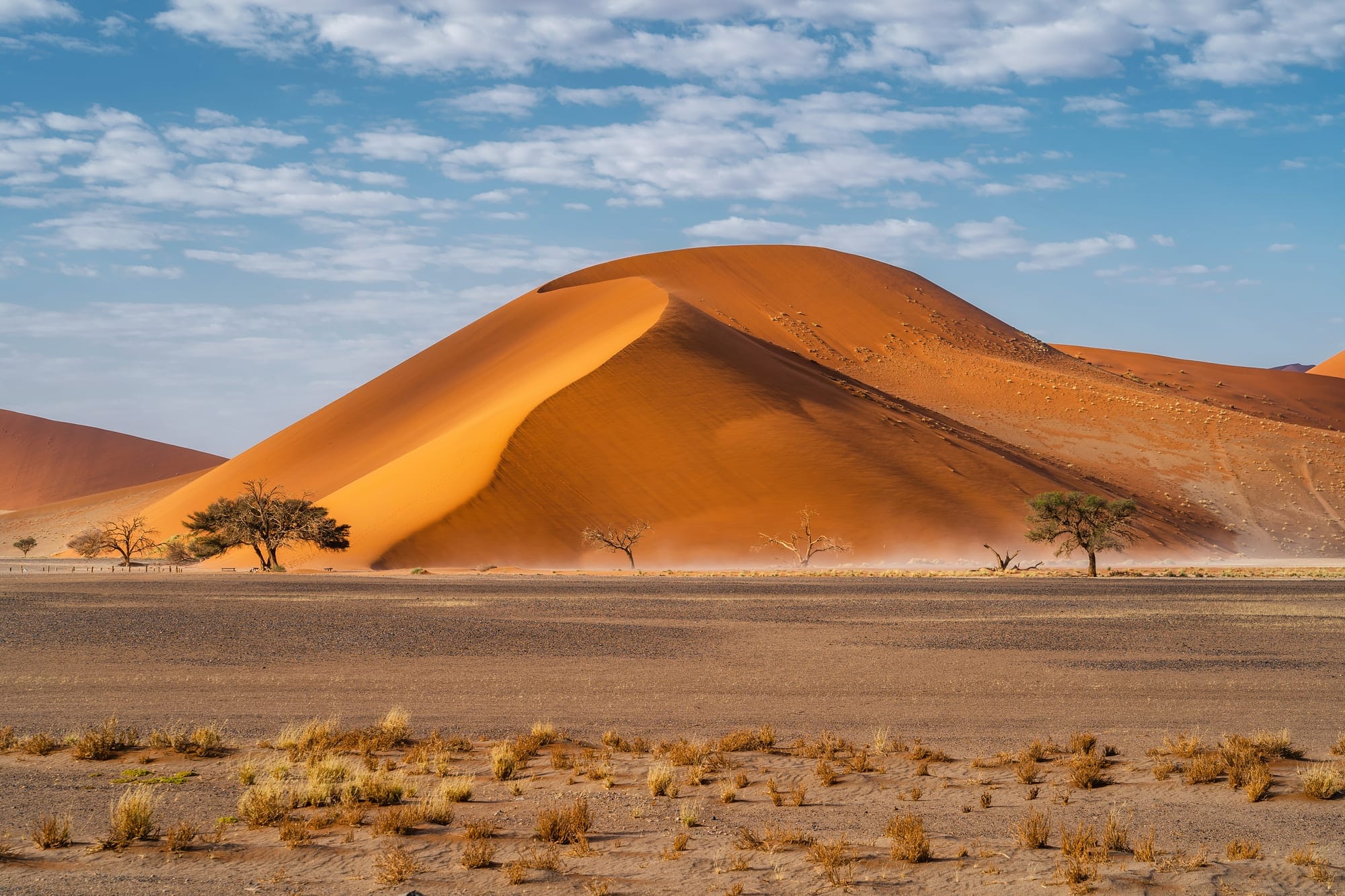
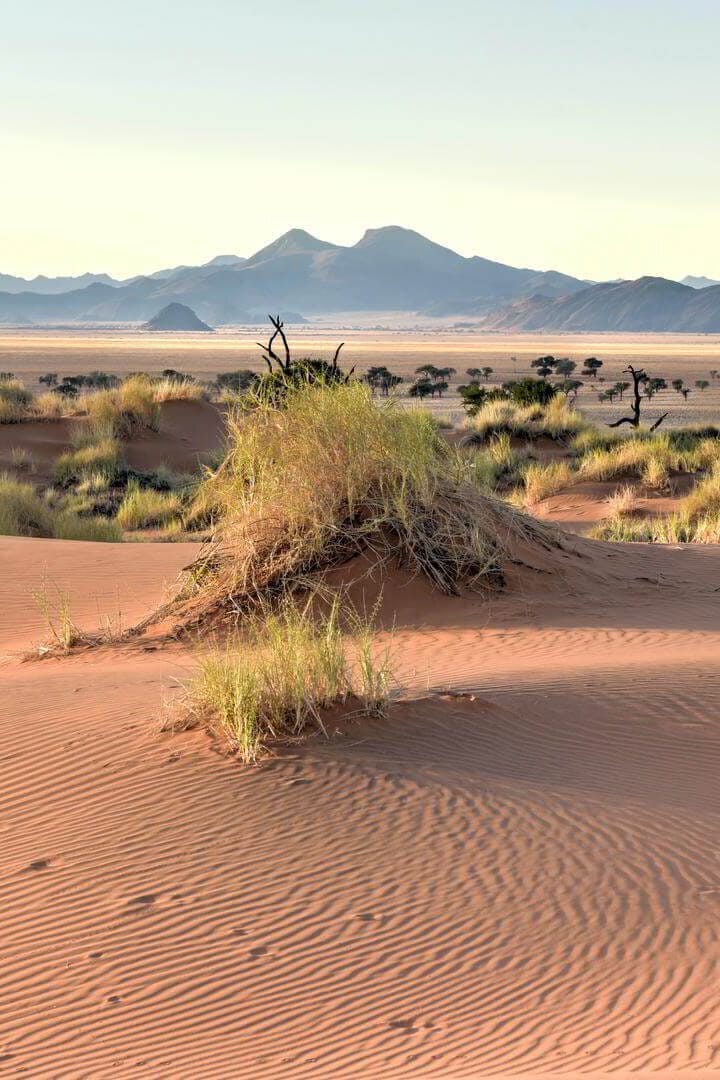
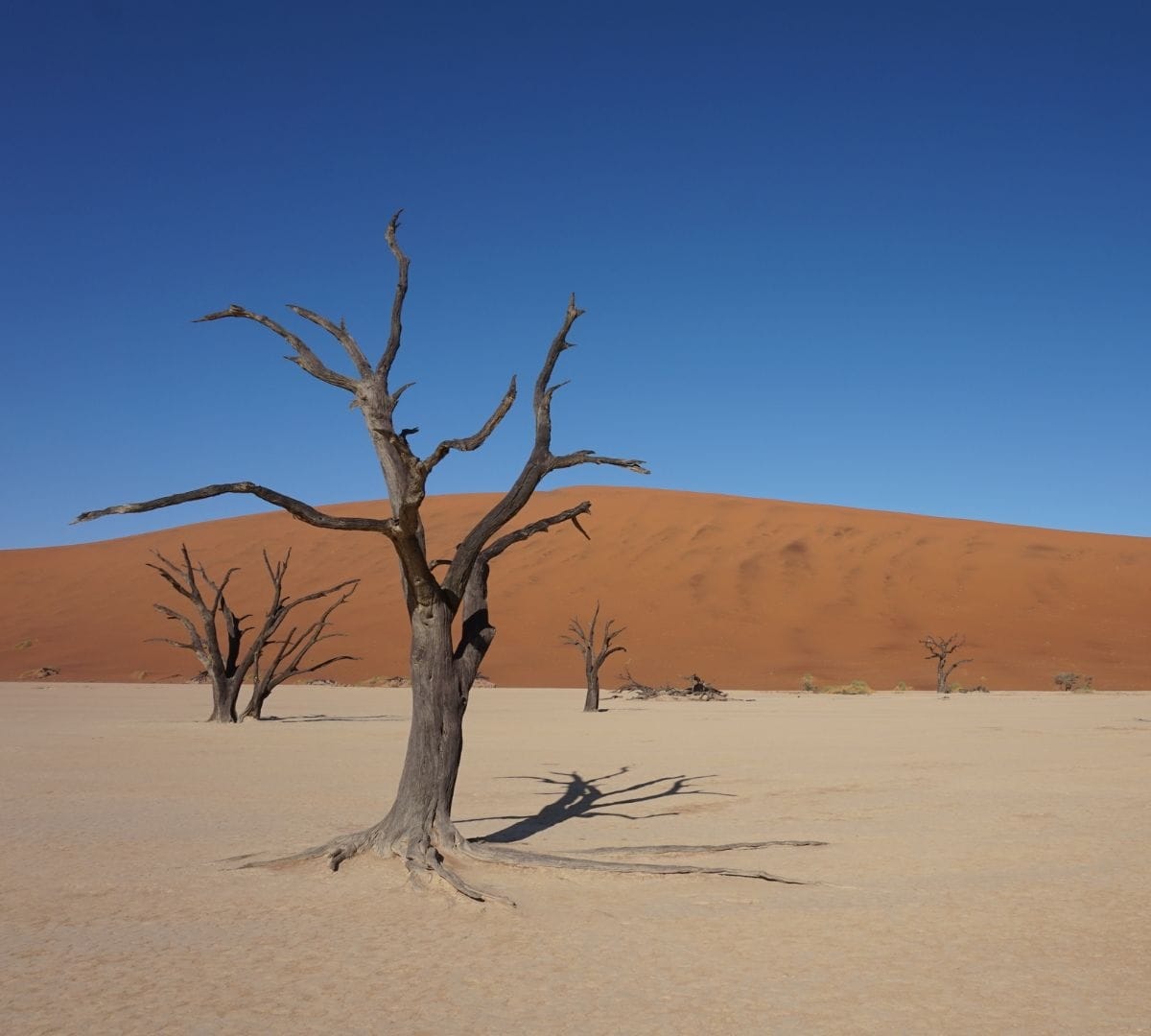
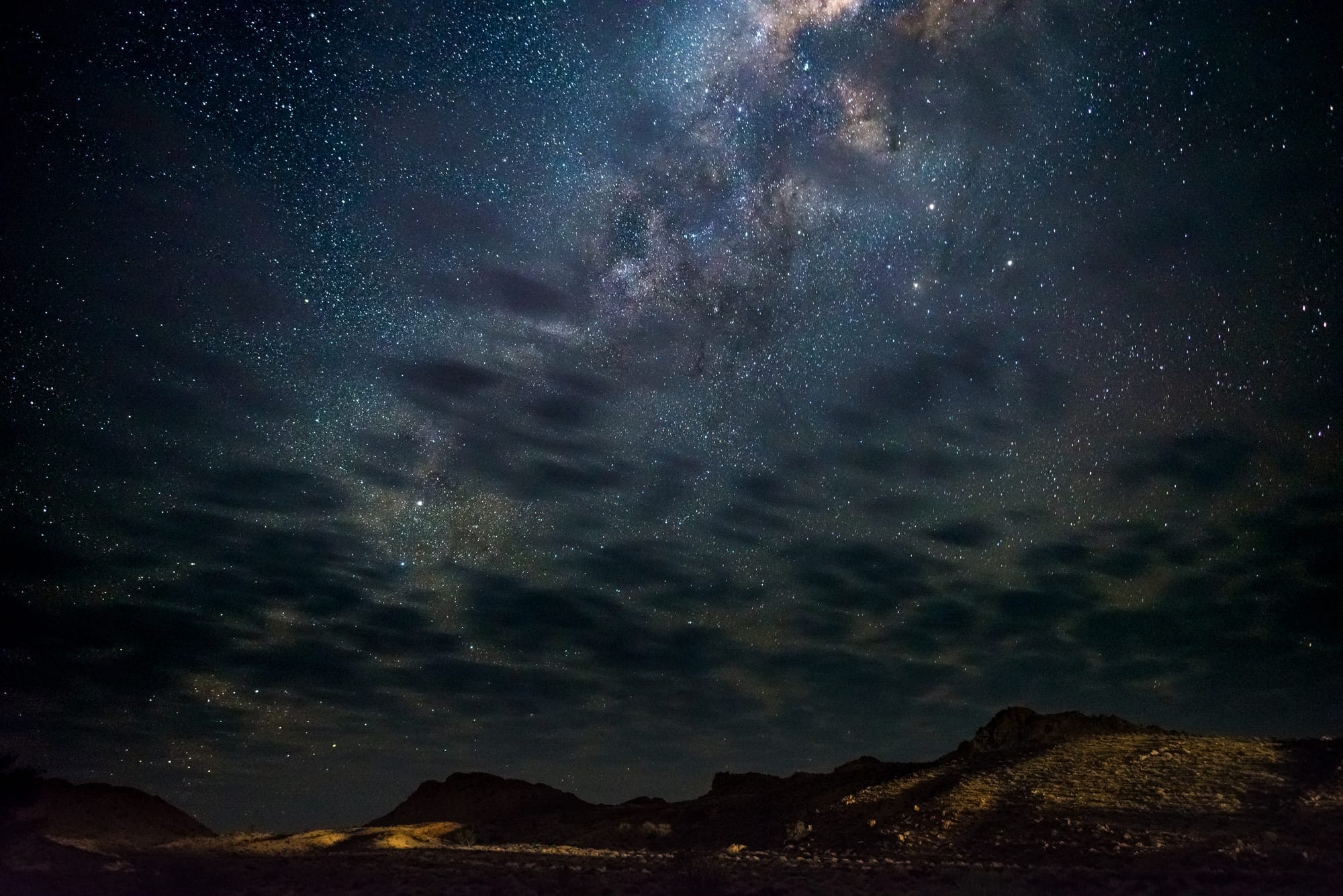
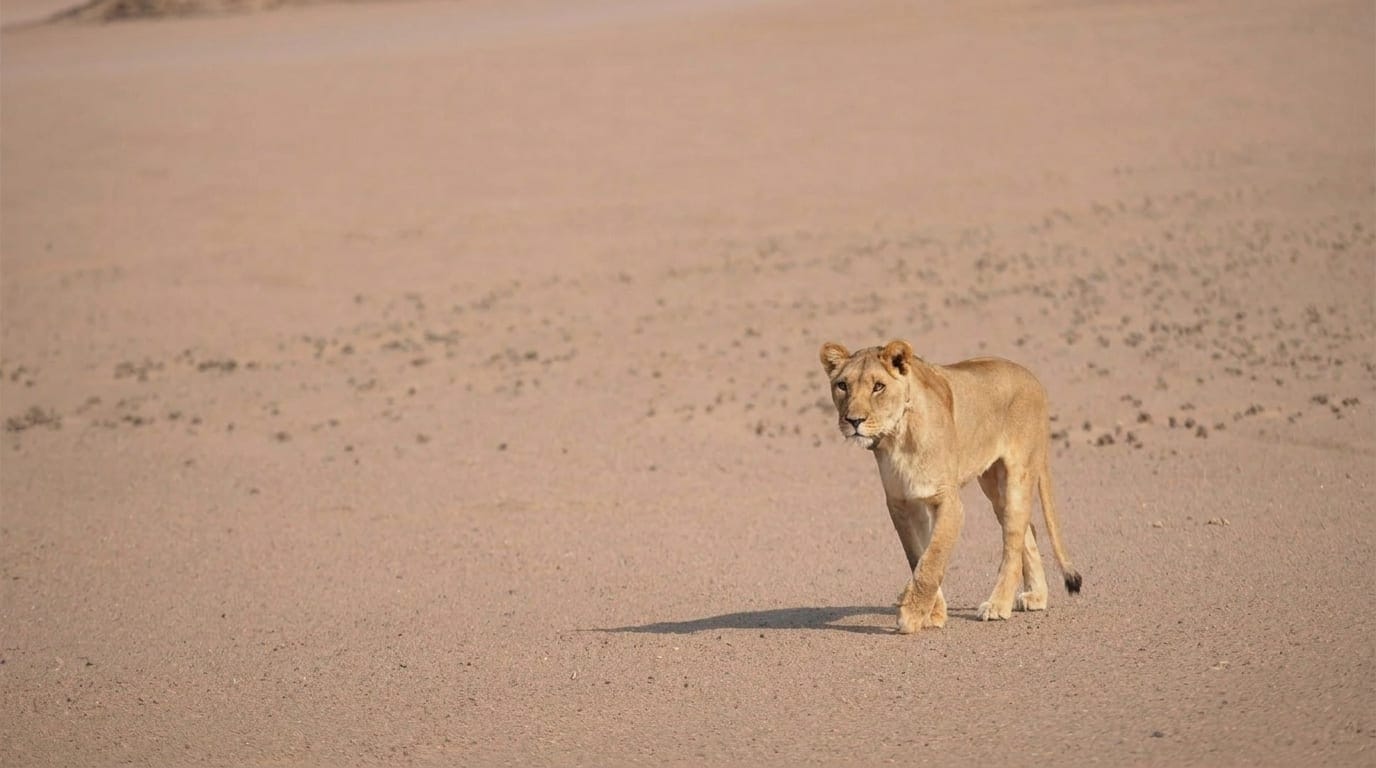
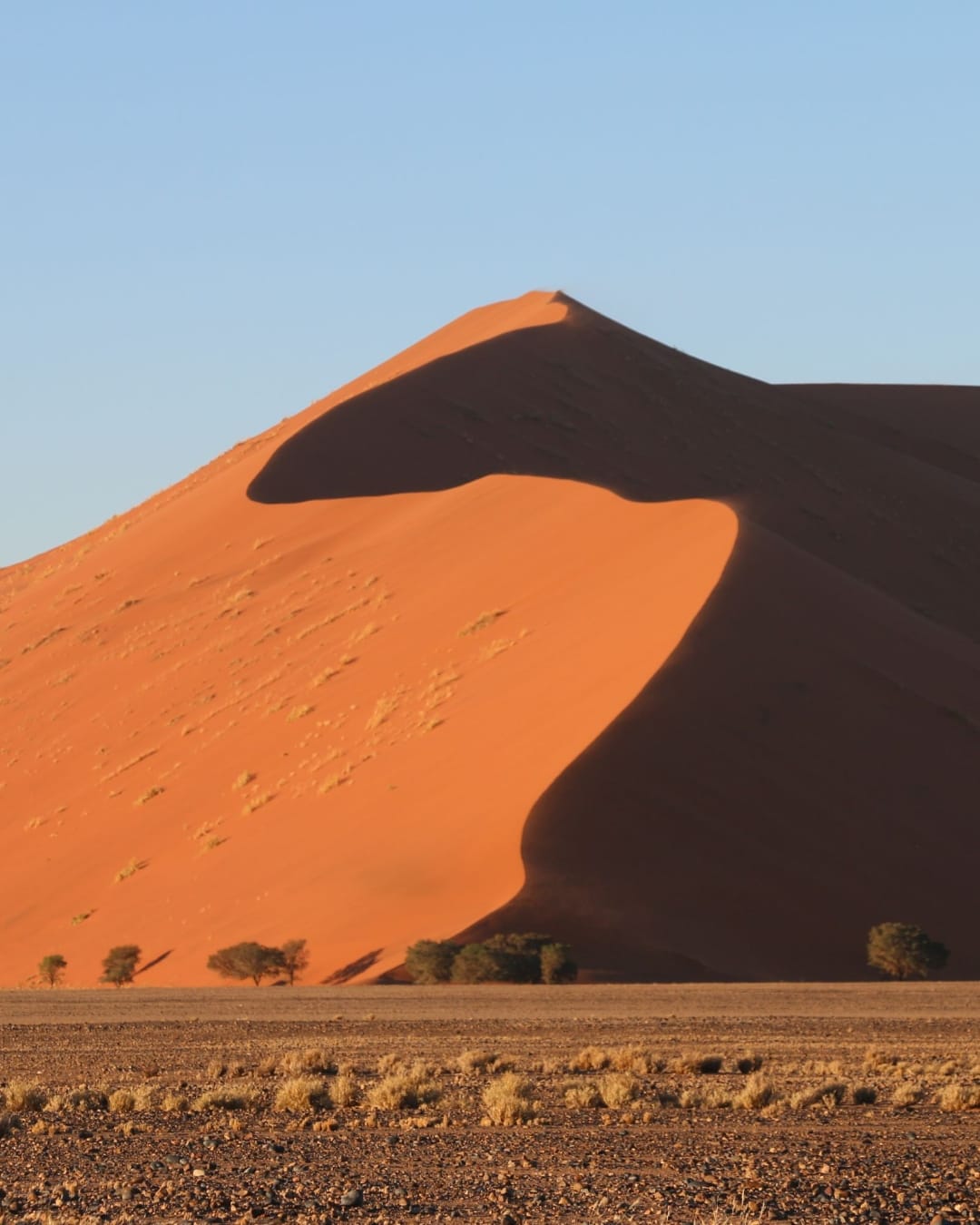
Namibia is built around space. Roughly Under four people per square kilometre across 825,000 square kilometres, the least dense country in sub-Saharan Africa. Clients come back describing silences they could not find anywhere else on the continent, and roads driven for hours without another vehicle. The landscape feels geological rather than biological. It is the reason most of our Namibia itineraries do not chase a sighting list. The country itself is the sighting.
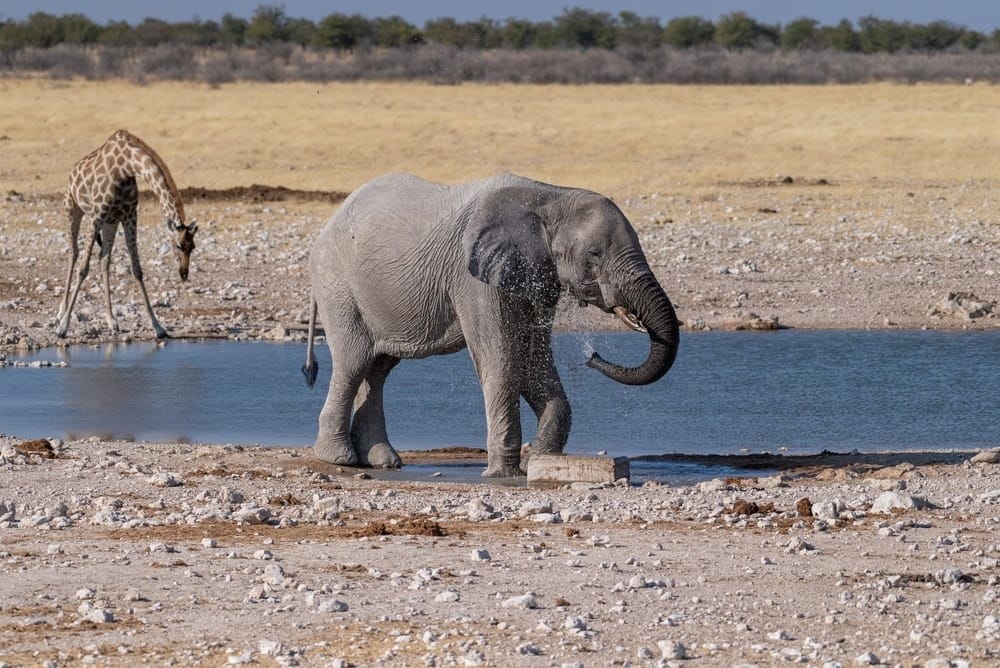
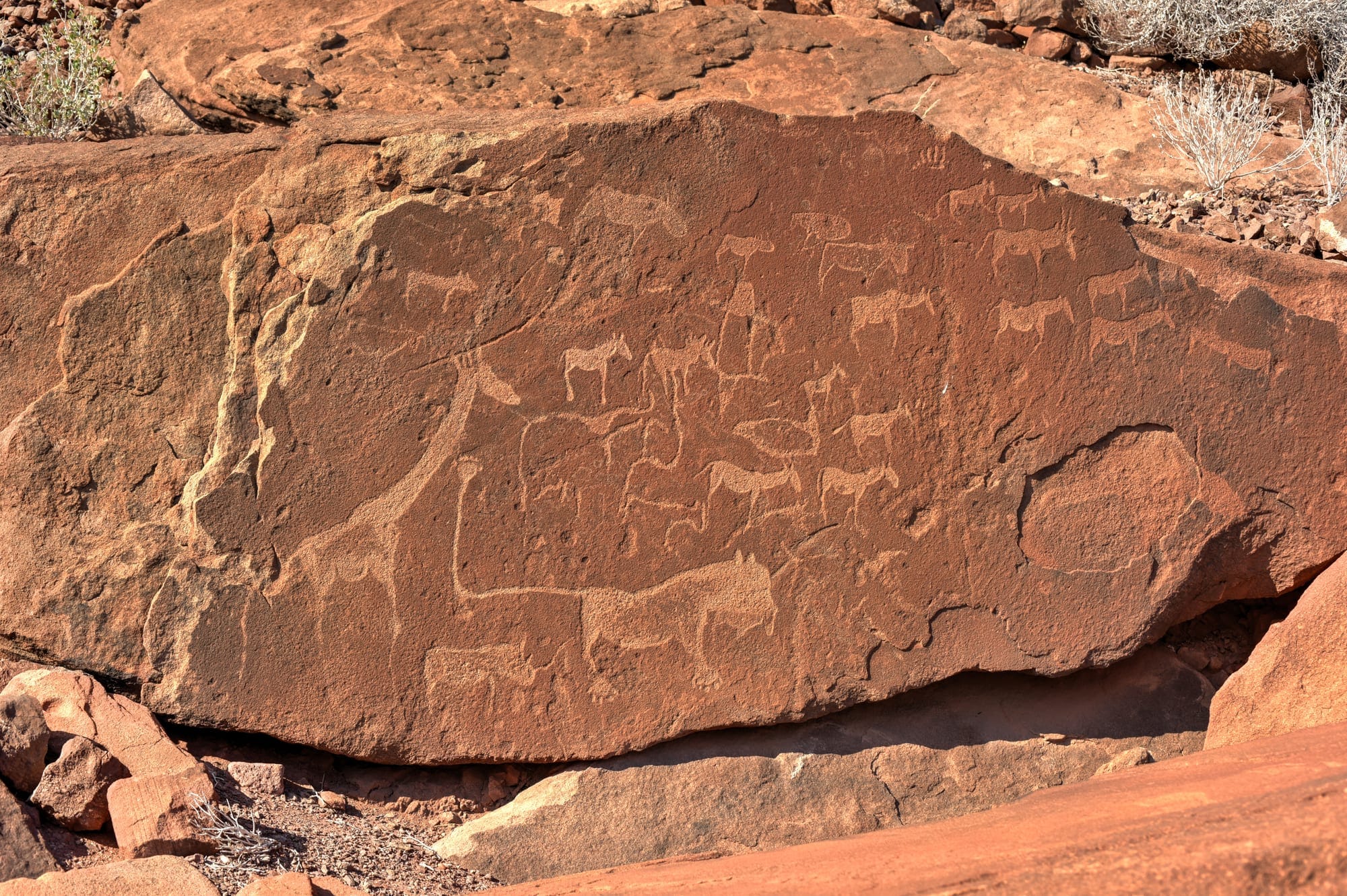
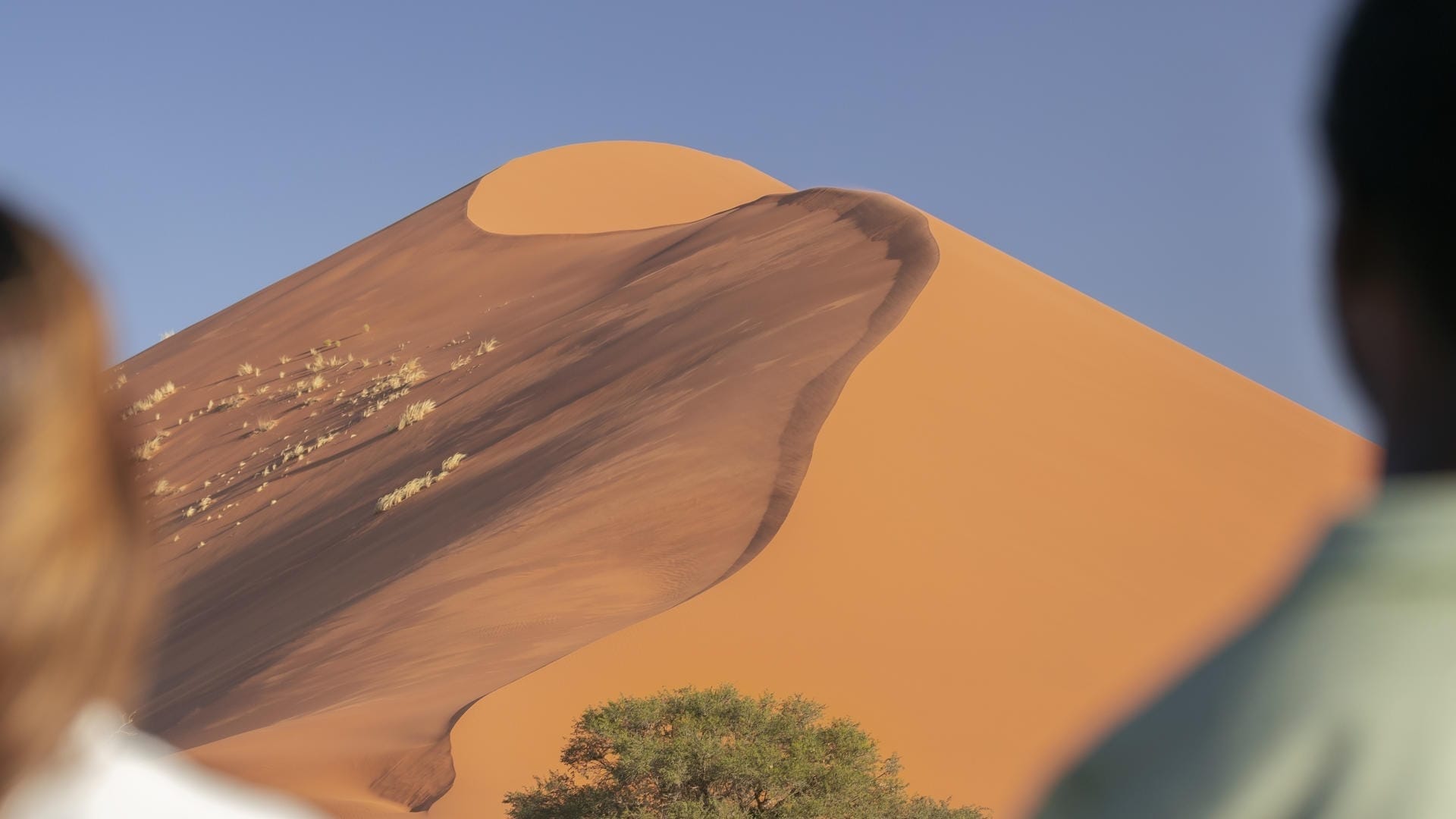
The country pairs in two halves. The classic southern circuit starts in Cape Town with a short flight to Windhoek, then runs south to Sossusvlei for the dunes, north through Swakopmund and Damaraland, and finishes in Etosha for the game viewing. Most of that circuit needs no malaria prophylaxis, which matters practically and psychologically for first-time Africa visitors. The northern half (Caprivi, Kunene, Kavango) carries malaria risk and is usually built into a multi-country routing.
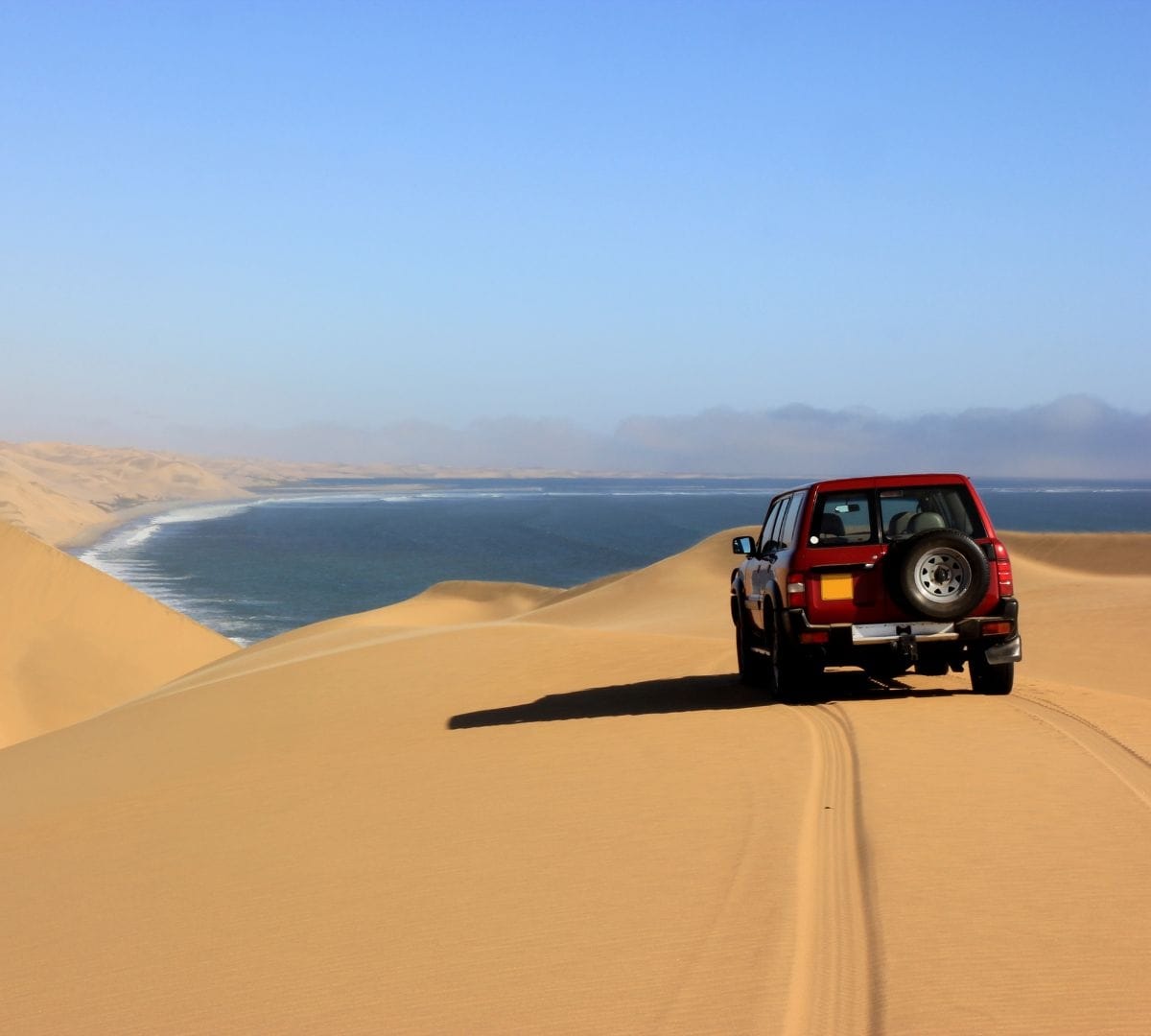
Namibia also rewards self-drive travel like nowhere else in Africa. Roads are well-graded, distances are clearly marked, parks are simple to enter, and the country feels safe to drive solo. Many of our clients book a guided fly-in for the remote lodges and pair it with a self-drive leg through Sossusvlei, Swakopmund, and Damaraland. We plan the route, book the vehicle, brief the gravel sections, and stay on call. The independence is the point. For some travellers it becomes the trip they remember most.
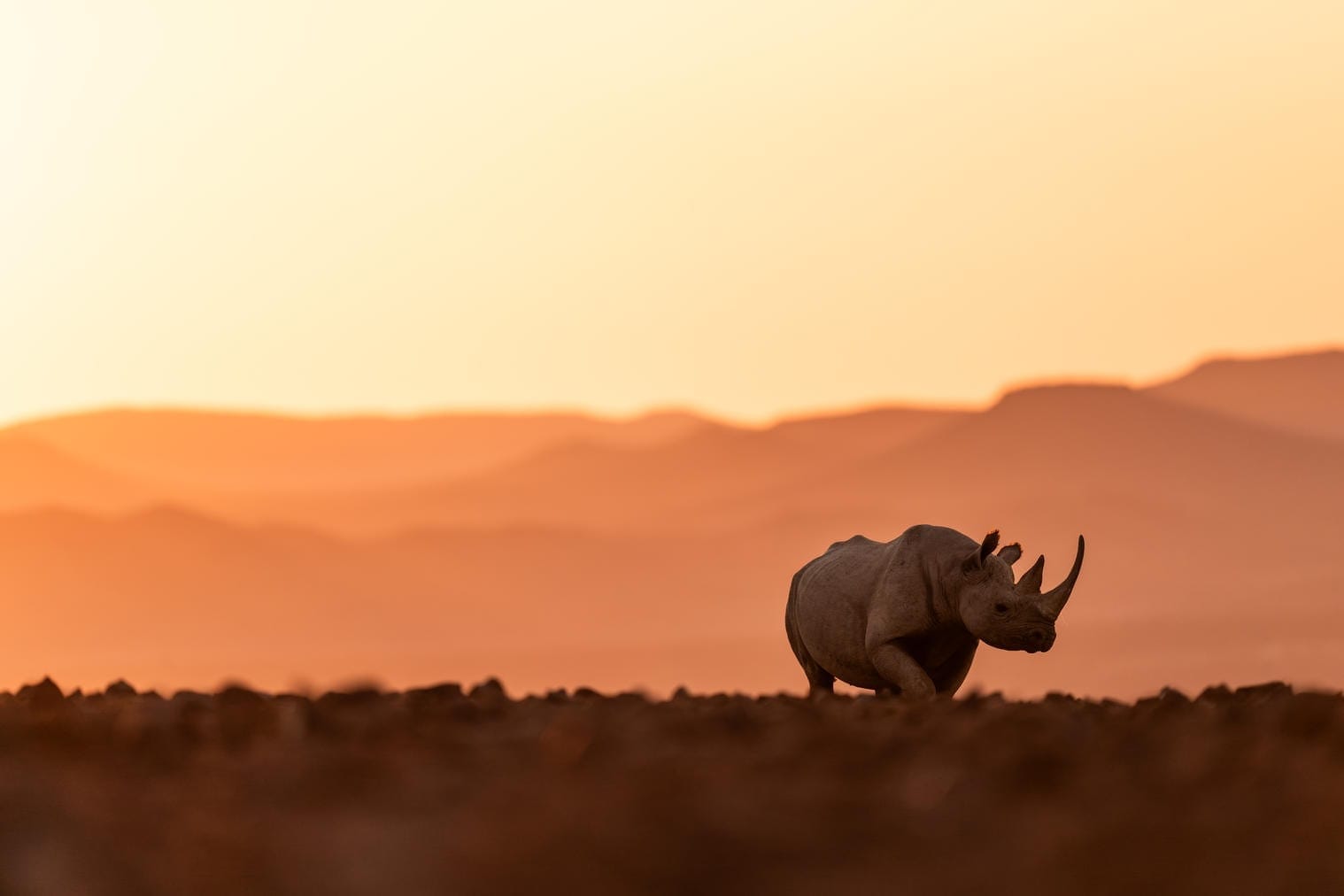
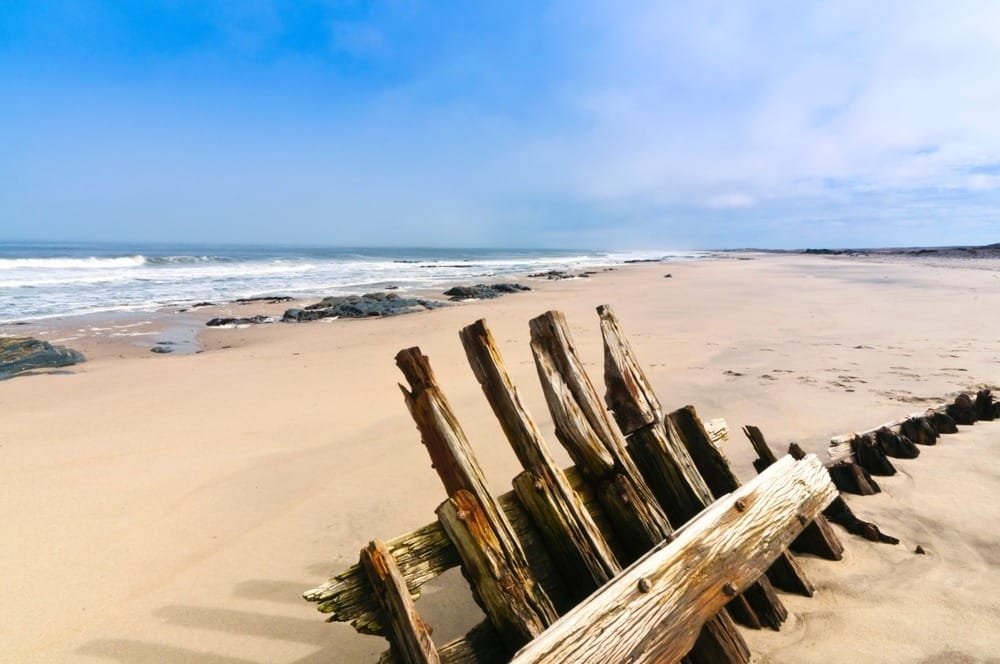
Namibia also has a structural argument the brochures rarely make. The country pioneered community-based natural resource management in Africa. Dozens of registered communal conservancies now cover a substantial part of the country, and Namibia holds a large share of the world's remaining black rhino. The lodges we book in Damaraland, the Skeleton Coast, and the Kunene work in partnership with the conservancies hosting them. The stay funds the model. We can tell our clients that accurately.