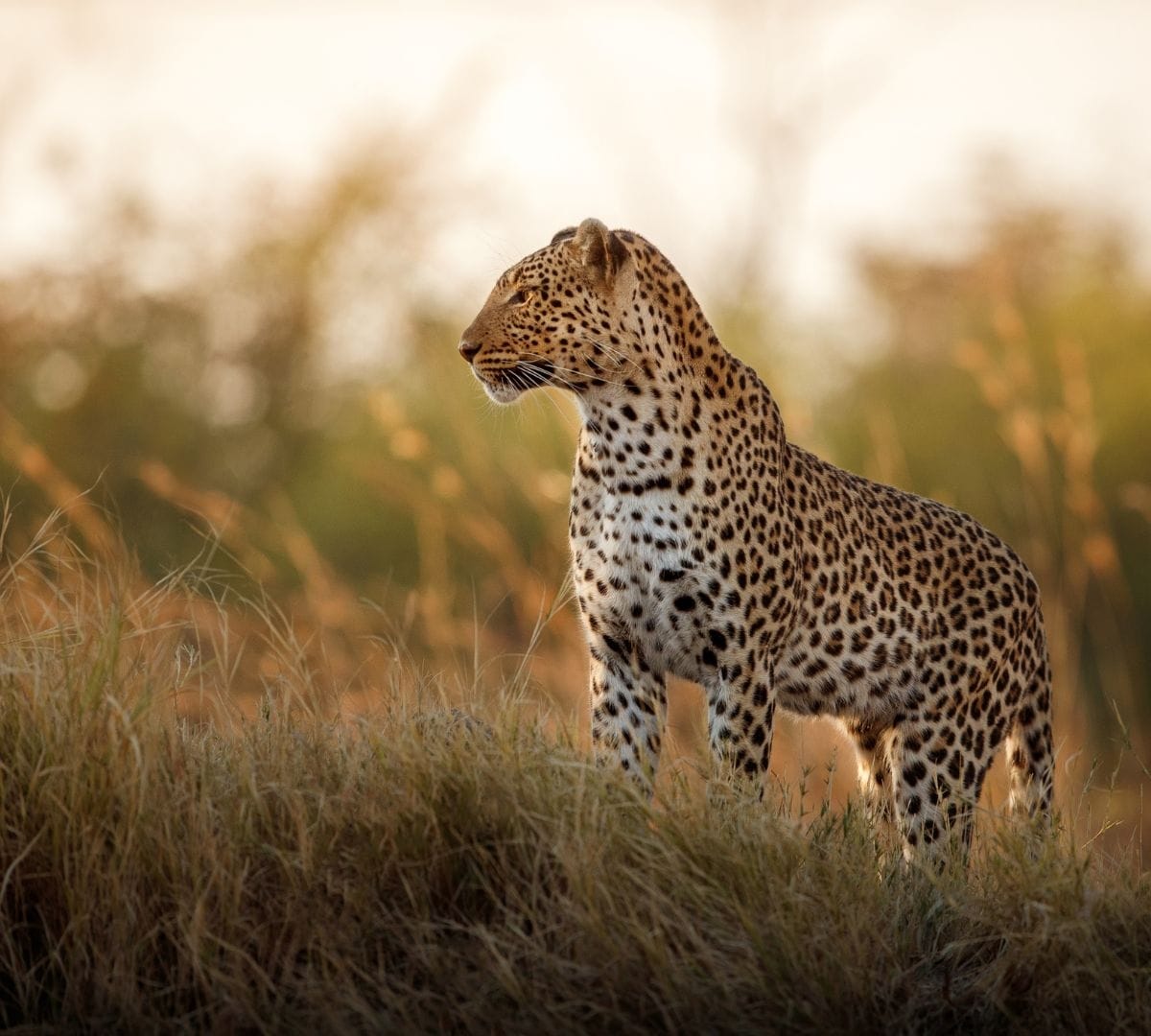
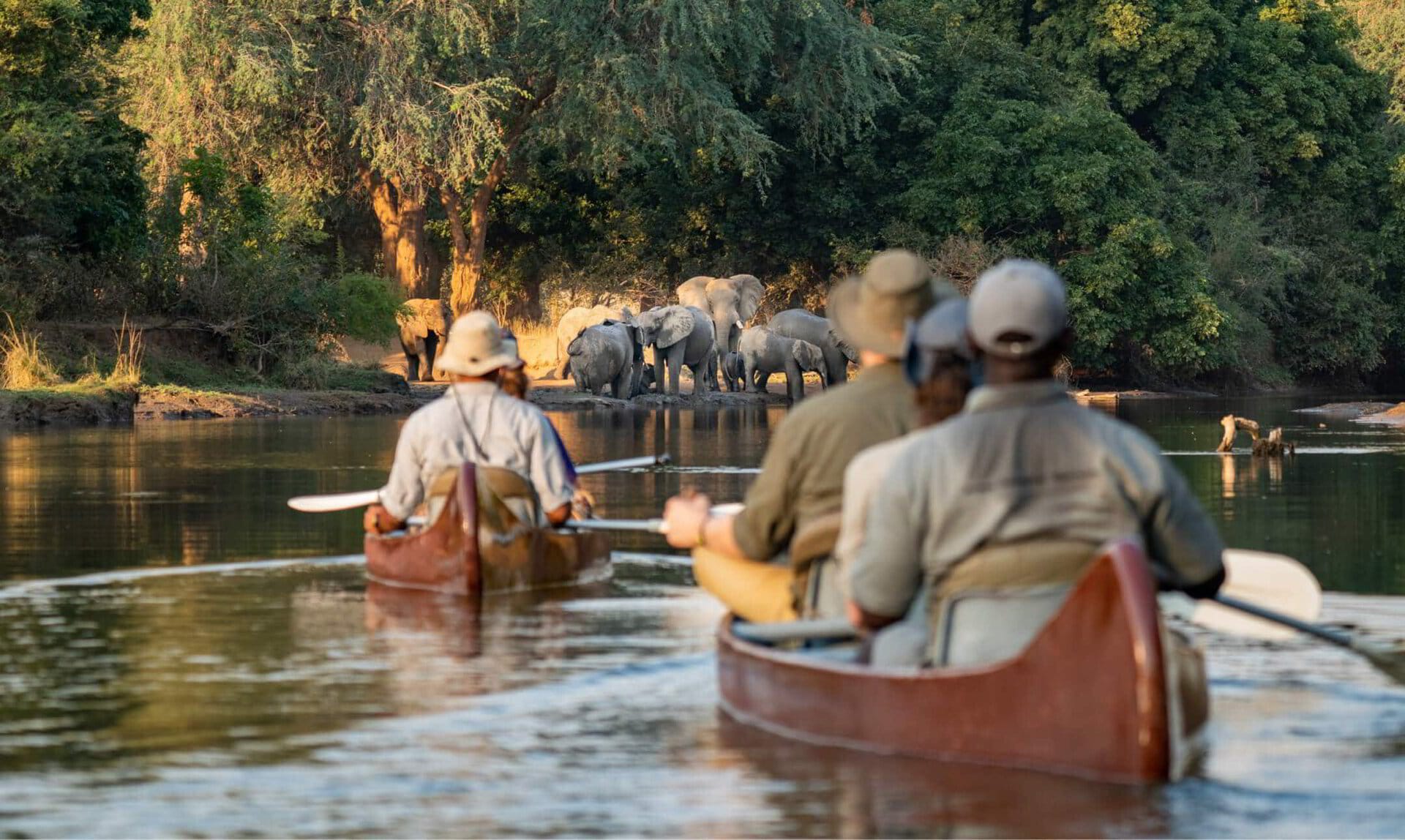
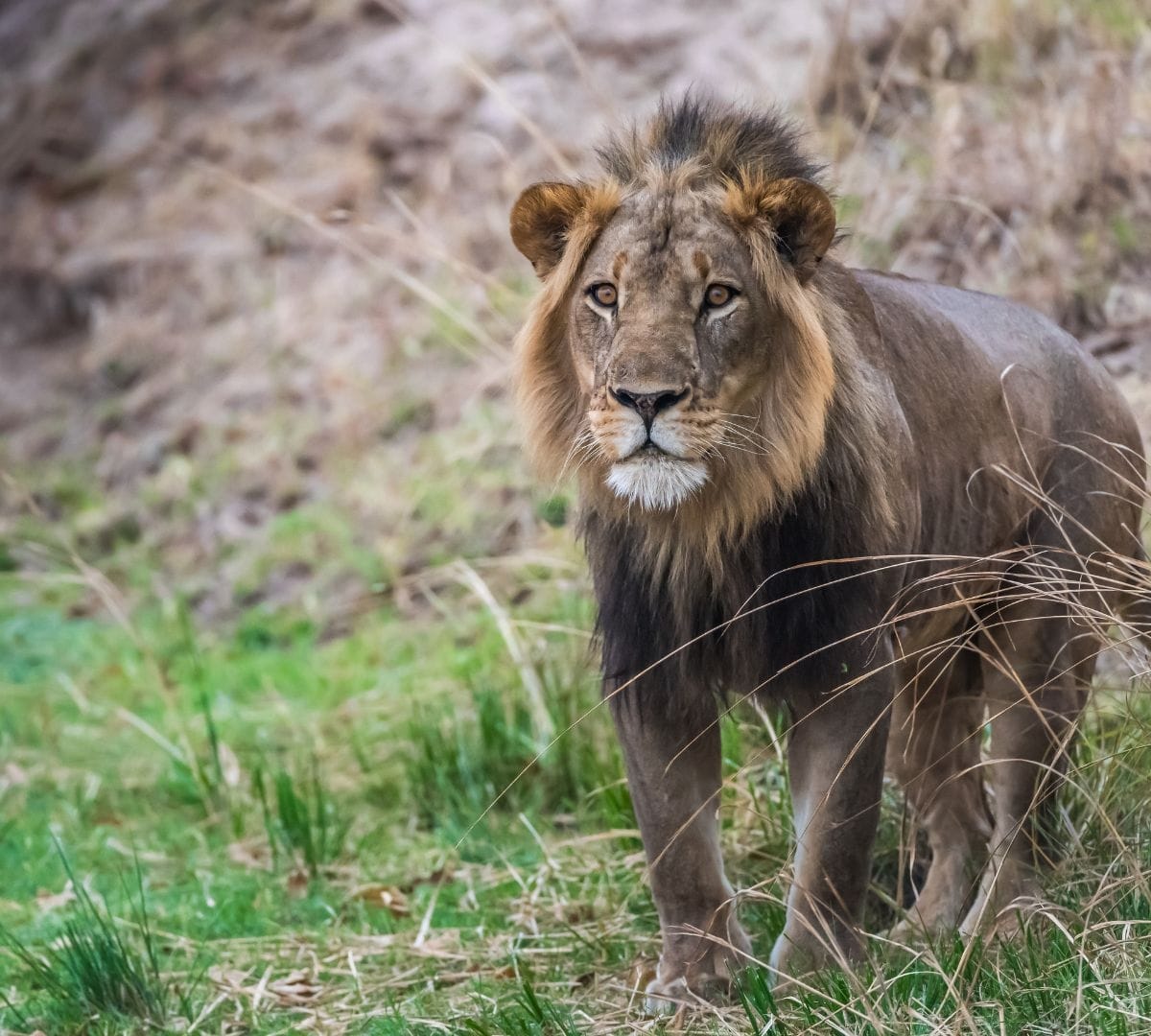
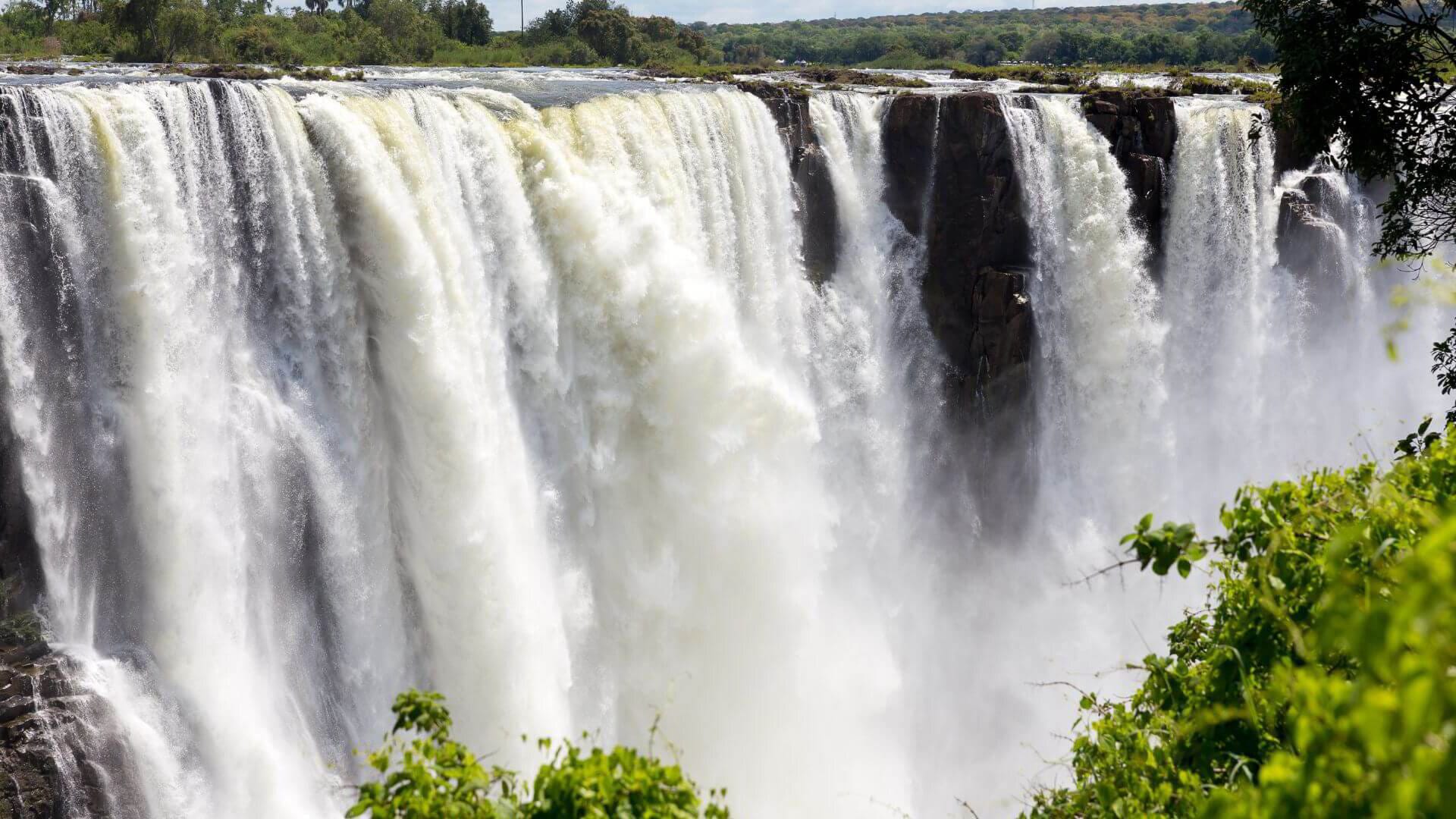
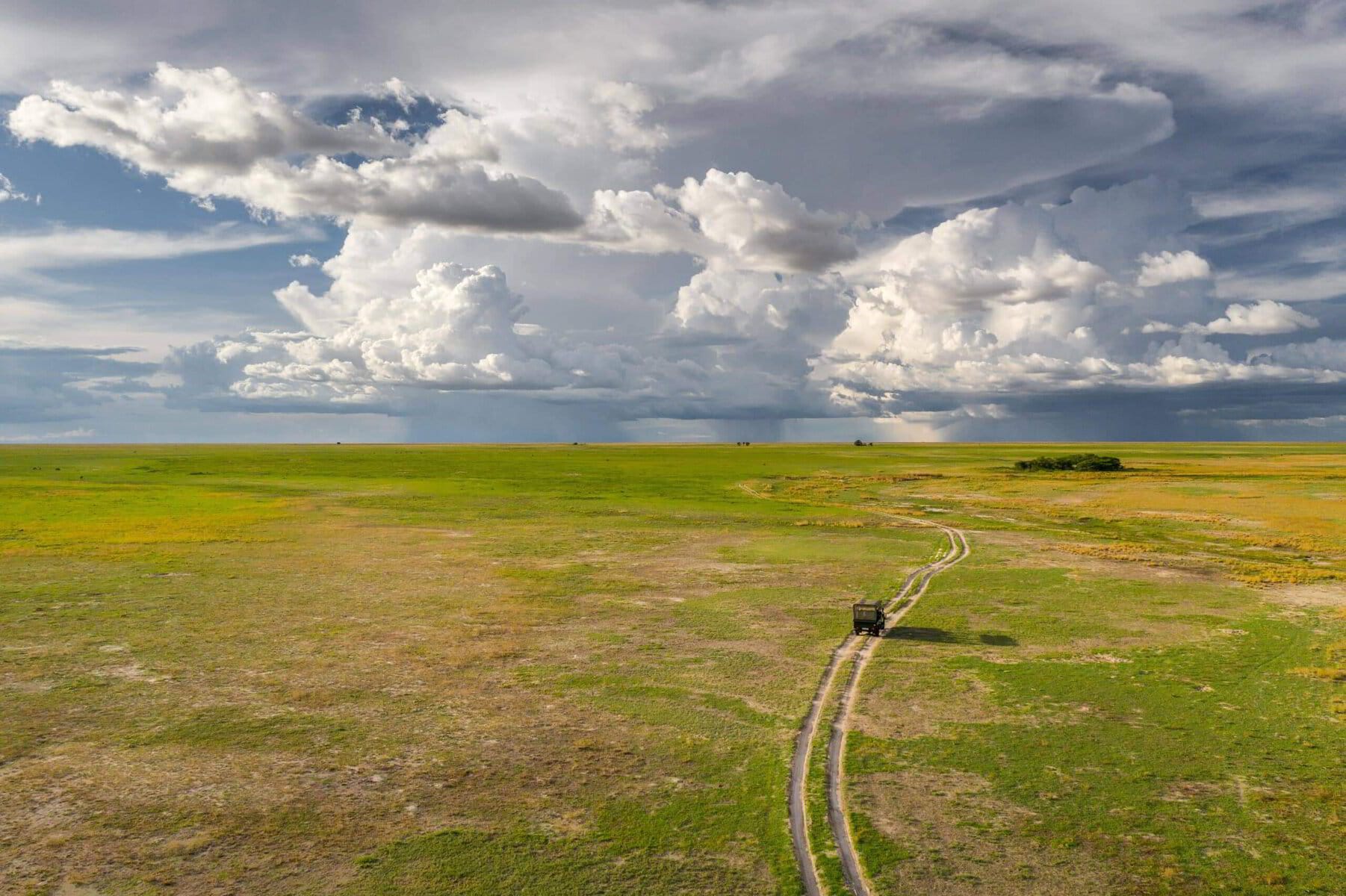
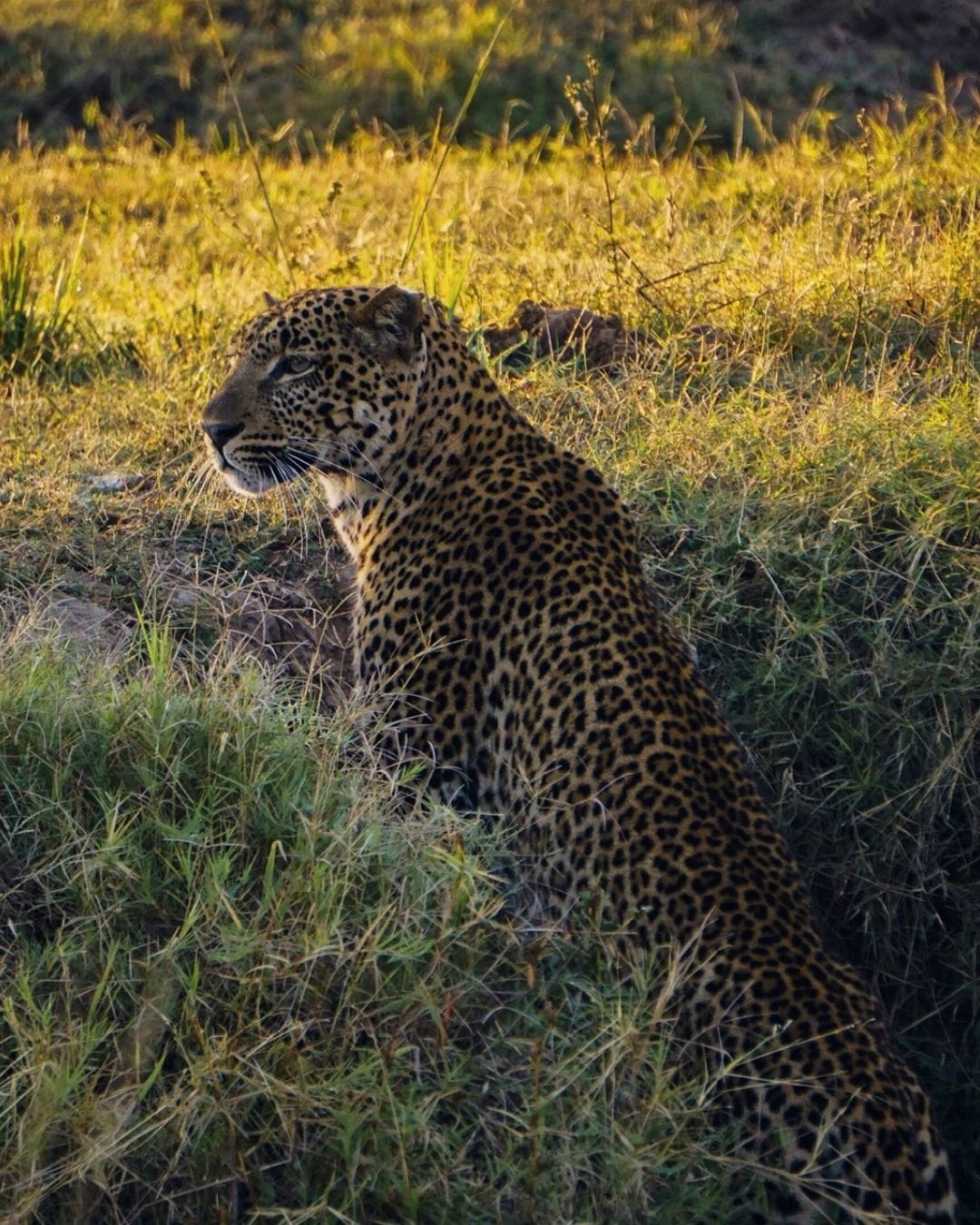
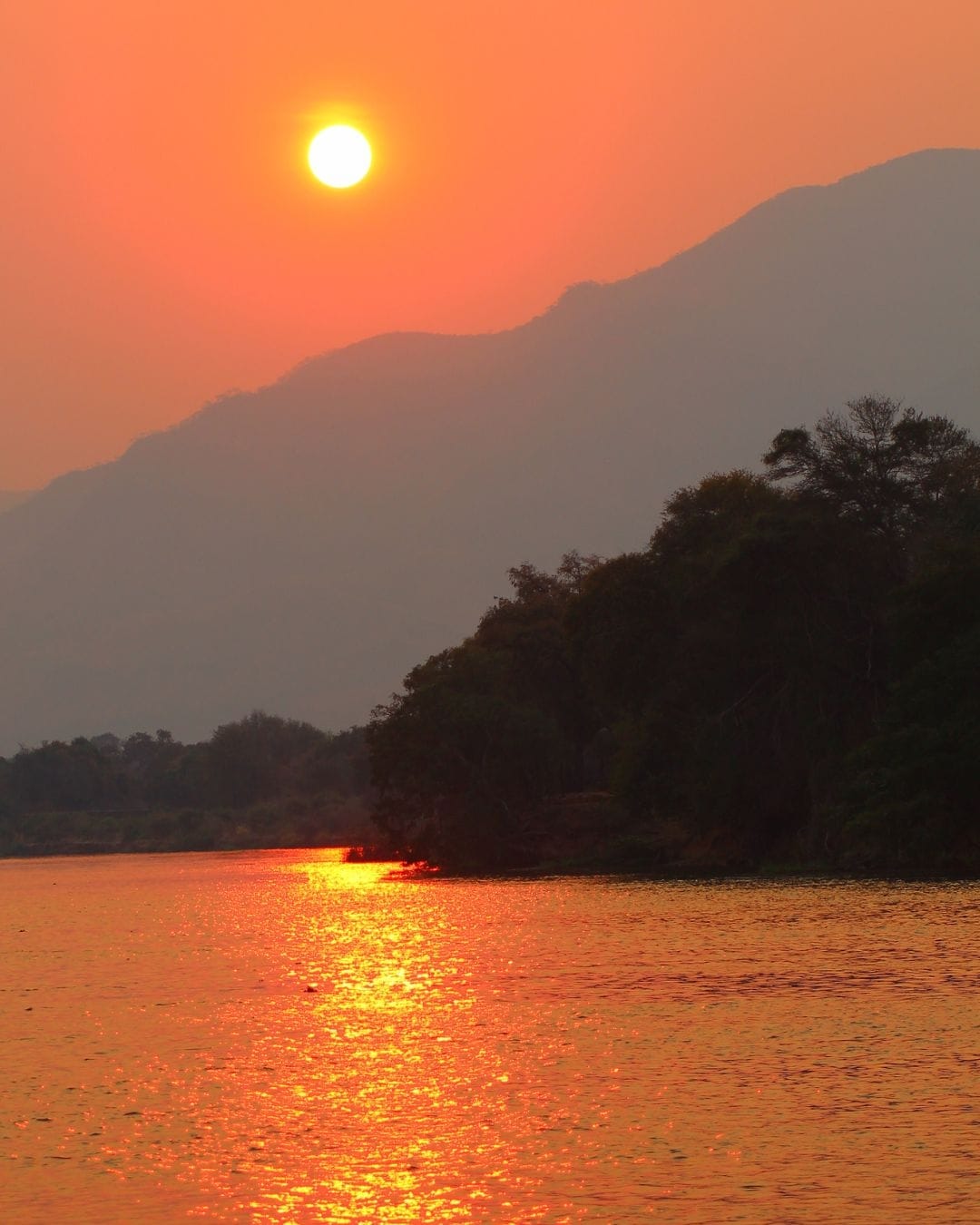
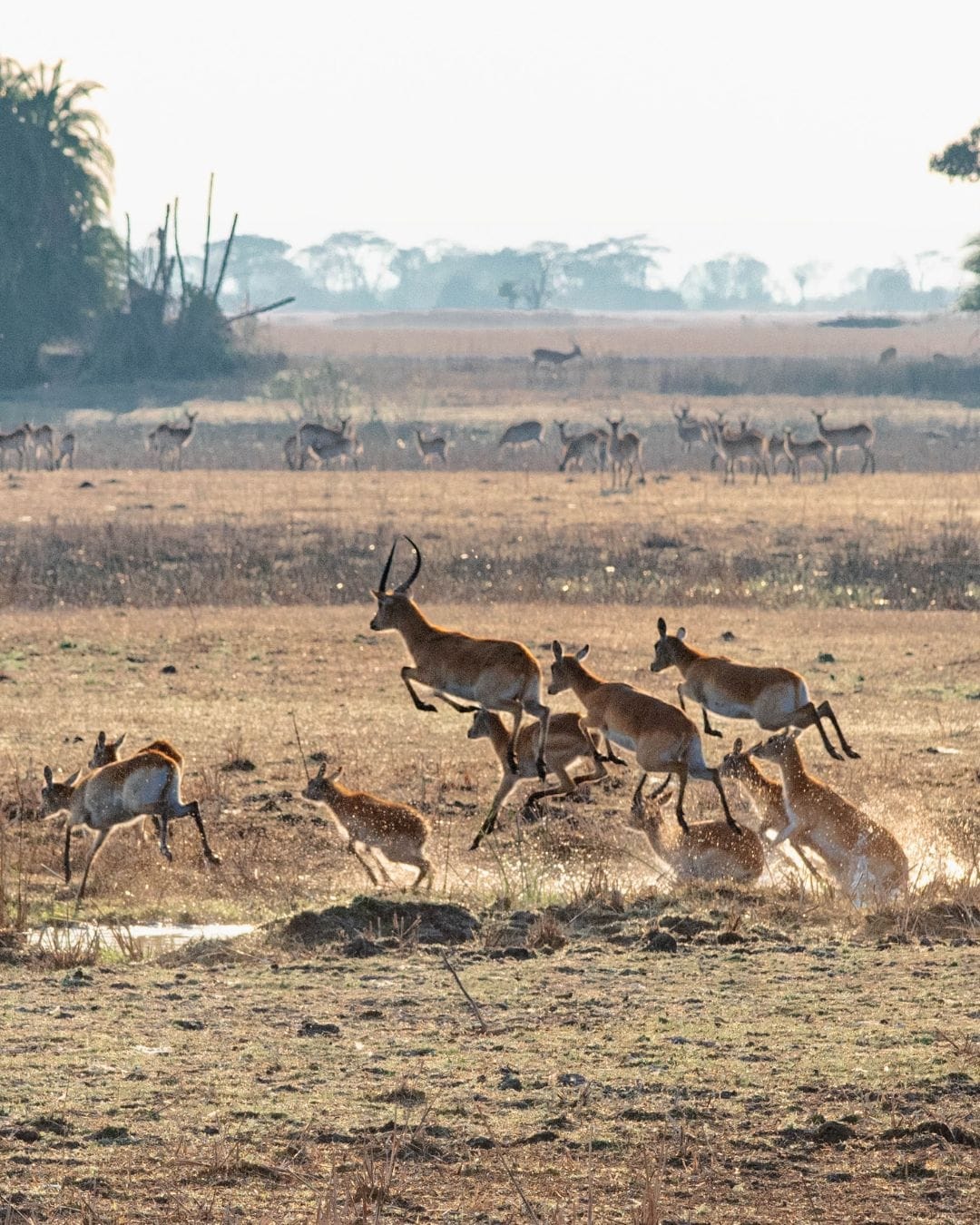
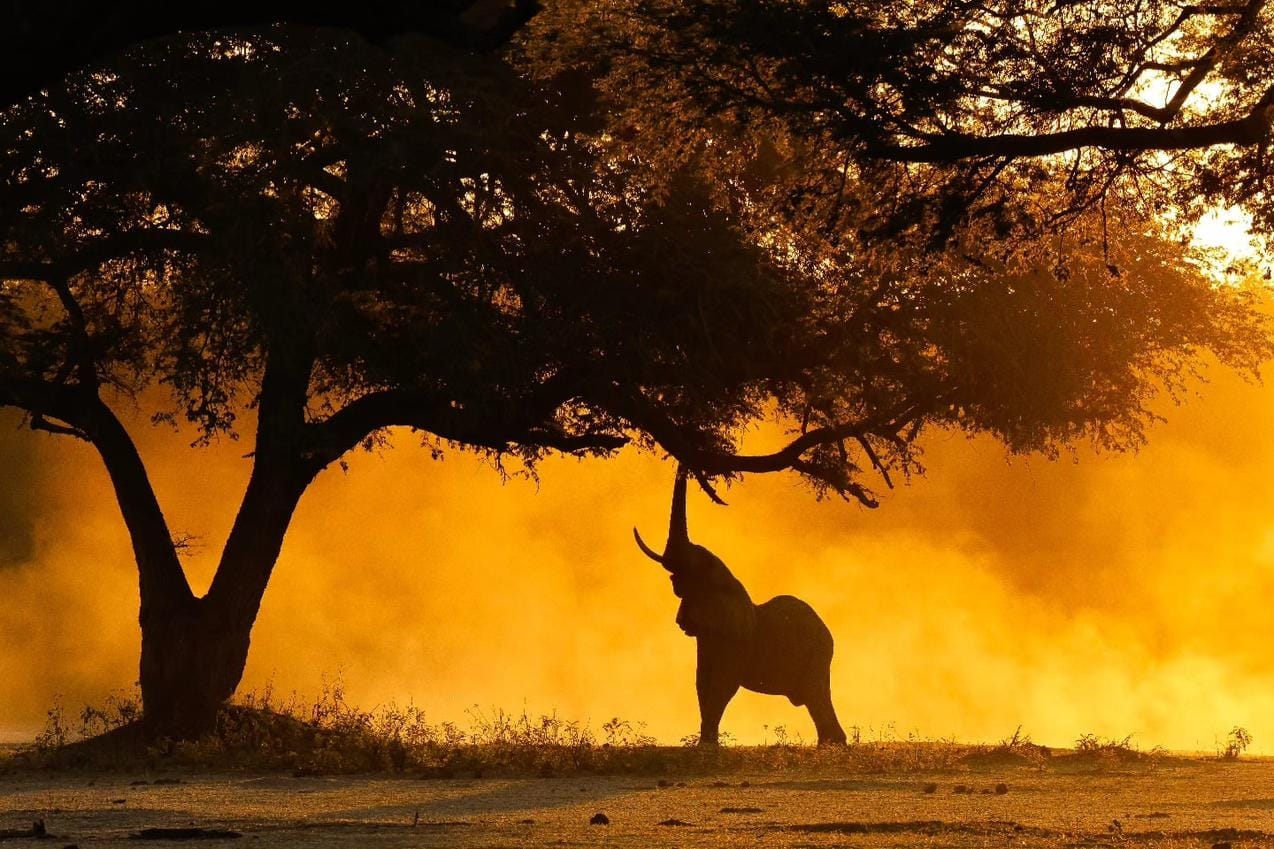
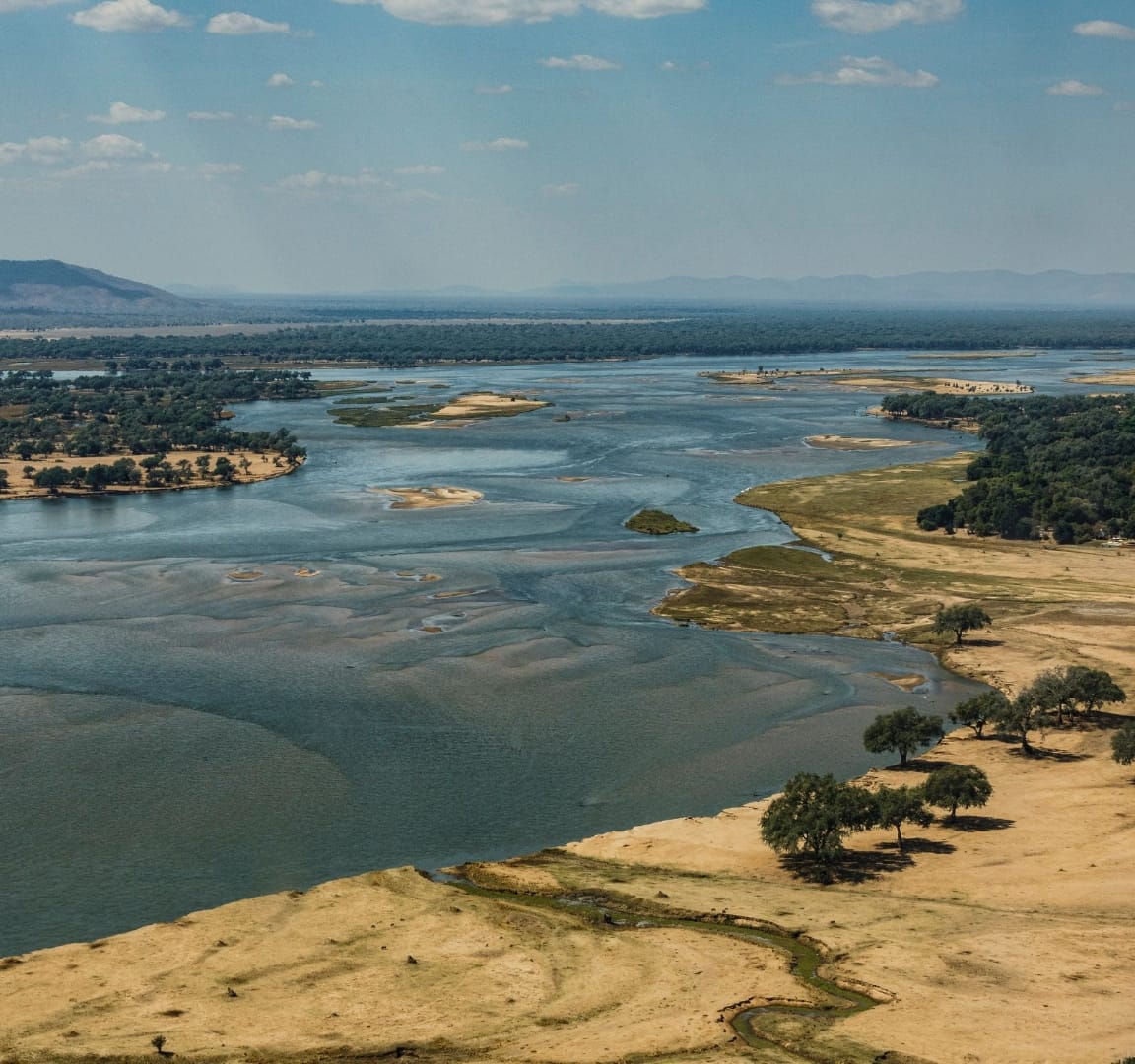
Zambia is shaped by water. The Zambezi runs along the southern border and over the lip of Victoria Falls. The Luangwa, a tributary of the Zambezi, runs through the eastern valley and supports one of the highest leopard densities in the region. The Kafue runs west and floods the Busanga plain, drawing herds of red lechwe and the lions that follow them. Most of the country's safari lodges sit on one of these rivers.
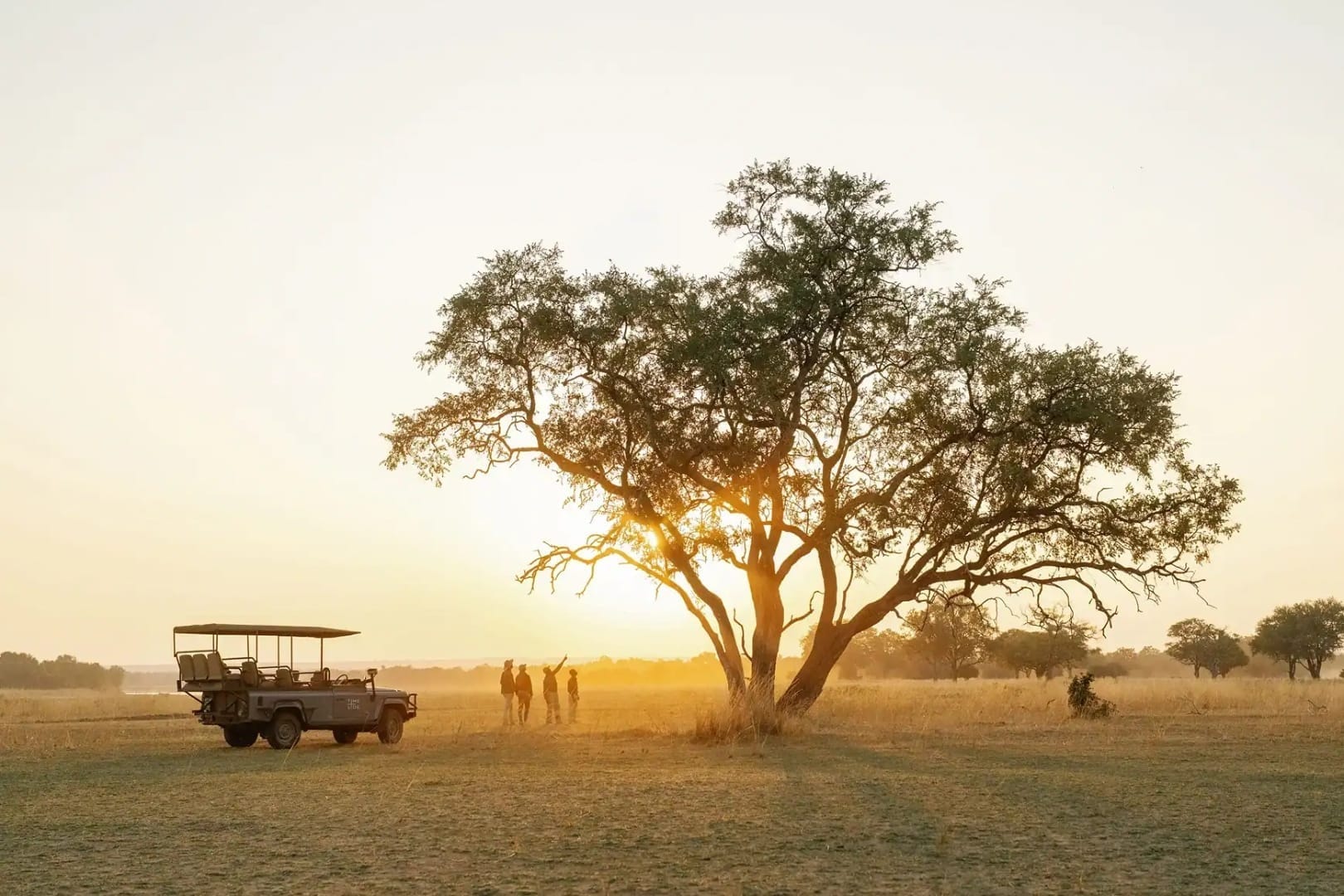
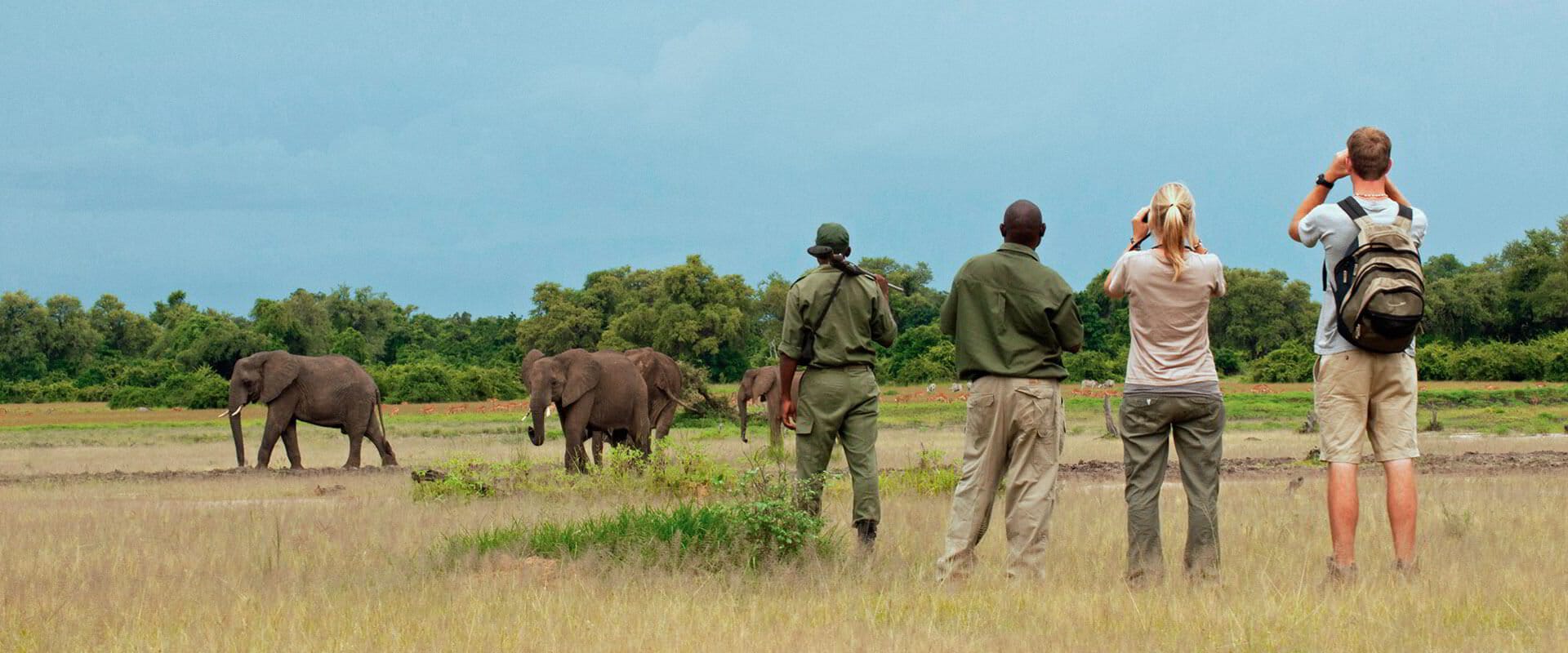
The walking safari was invented here. Norman Carr started leading guests on foot in the South Luangwa in the 1950s, and the practice spread through the country and out to the rest of Africa. Zambian walking guides hold one of the most demanding licences in Africa, earned over years in the field. Walking three or four mornings out of seven is part of how a Zambia trip is paced, and it changes the way you see the bush.
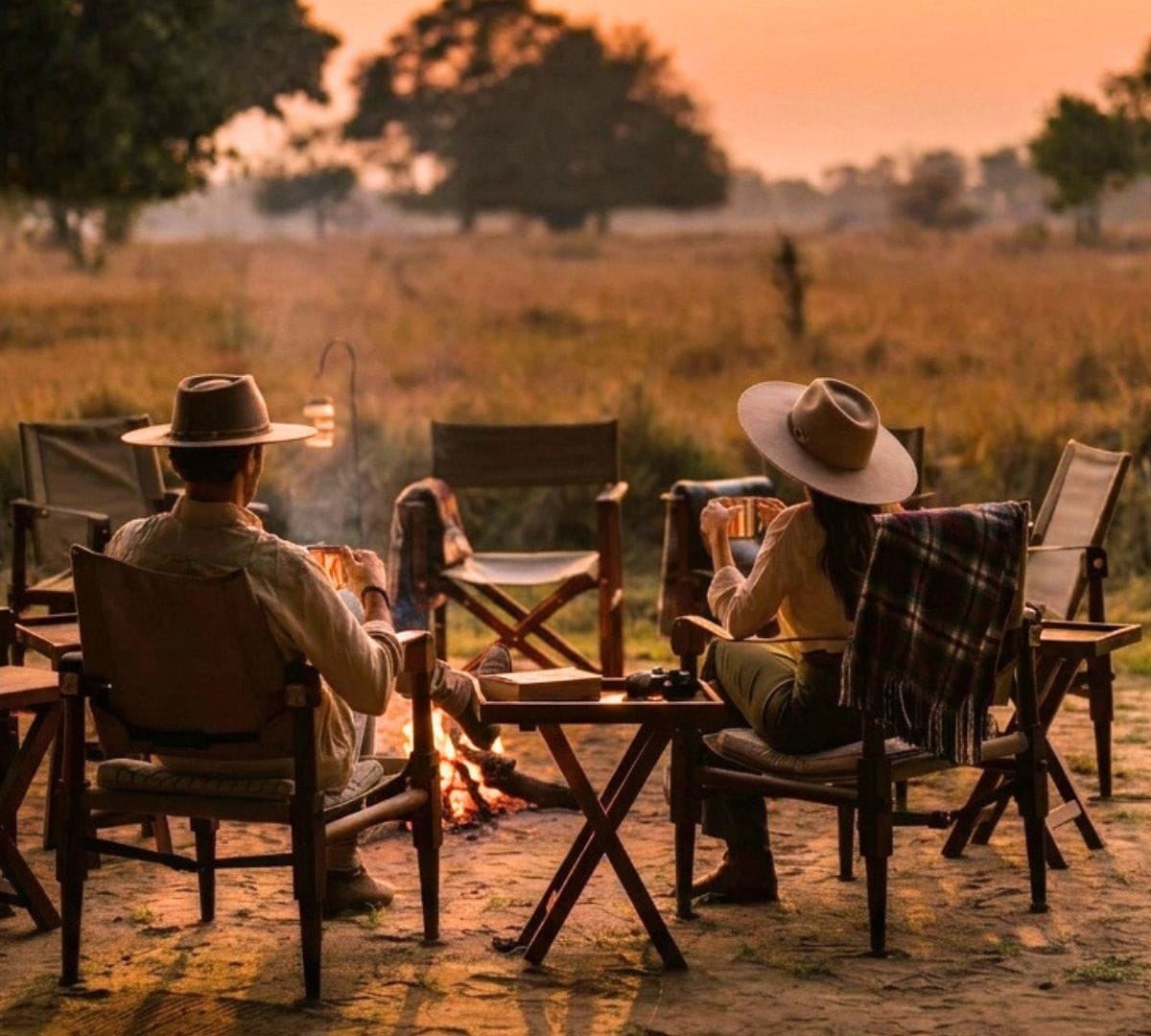
The country has stayed quieter than most of its neighbours. Lodges are small (eight to twelve guests at full capacity, sometimes six), the parks are vast, and you will rarely share a sighting with another vehicle. For travellers who have done the classical East and Southern African trips and want something slower, more intimate, and more skilled, Zambia is the right next country.
There is a stranger seasonal draw in the north. Kasanka fills with straw-coloured fruit bats from October into December, in what is usually described as the largest mammal migration on earth. It sits well off the main safari route and takes planning to reach, but for repeat travellers it is one of the few genuinely unusual things left to see in Africa.
Zambia also pairs naturally outward. With Botswana for travellers who want both halves of the great central African ecosystem in one trip. With Zimbabwe for the full Zambezi, where Mana Pools and the Lower Zambezi sit opposite each other across the river. With Malawi for a freshwater finish on the lake. Most of the journeys we plan run twelve to sixteen nights when paired this way.