On foot

Walking safaris, at the pace of the bush

A walking safari is a guided walk through wild country with a qualified, armed guide. You cover less ground than on a game drive and notice far more. We plan walking safaris in two places: the private reserves of the Greater Kruger, and South Luangwa in Zambia, the valley most associated with walking.

Where we walk

Greater Kruger or Zambia, which suits you?

The Greater Kruger is the easy way in. We walk in two of its private reserves, Balule and Selati, with specialist trails guides and small groups. You walk in the cool of the morning and again later in the day, slowly, stopping for tracks, birds and plants. Nights are spent in comfortable lodges, and in Balule there is the option of a night sleeping out in the bush.

South Luangwa is the deeper end. This is where Norman Carr pioneered the walking safari, and the tradition runs through the valley. Small seasonal bush camps sit far apart, and on some routes you walk from one camp to the next while your bags go ahead by vehicle. For more comfort, the luxury lodges of South Luangwa and the Lower Zambezi mix walks with drives and boat trips.

Why this kind of trip

What makes a walking safari work

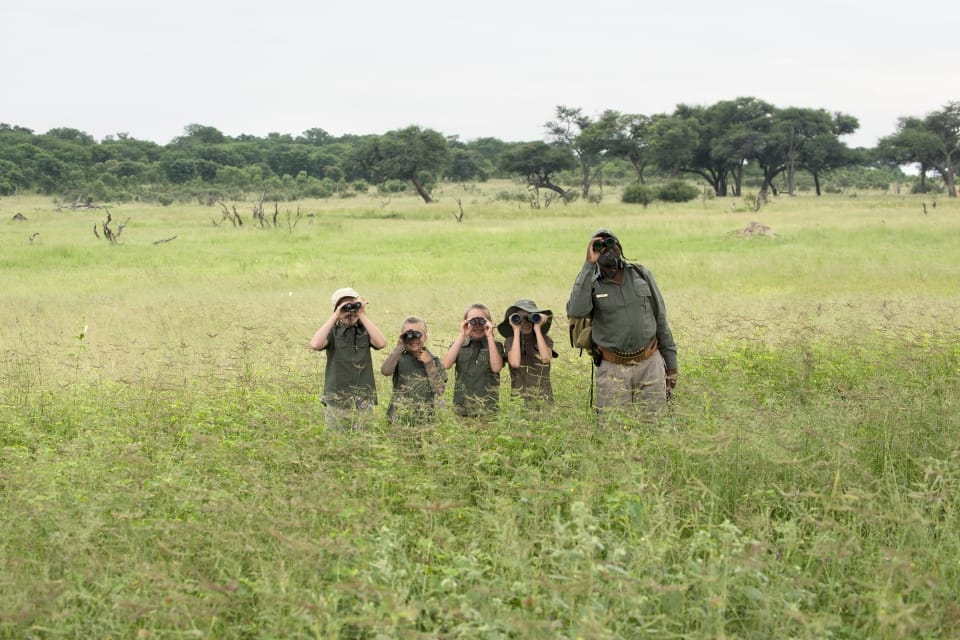
A guide leading a small line of walkers through tall green grass
01

The right walk for your legs

A morning walk from a lodge is gentle. A full walking safari, out on foot morning and afternoon, or a camp-to-camp route in Zambia asks more of you, with longer walks over uneven ground and in the heat. We match the walking to how fit and confident you feel.

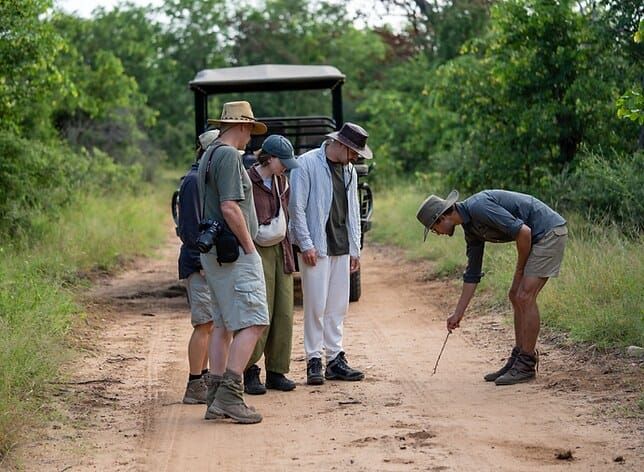
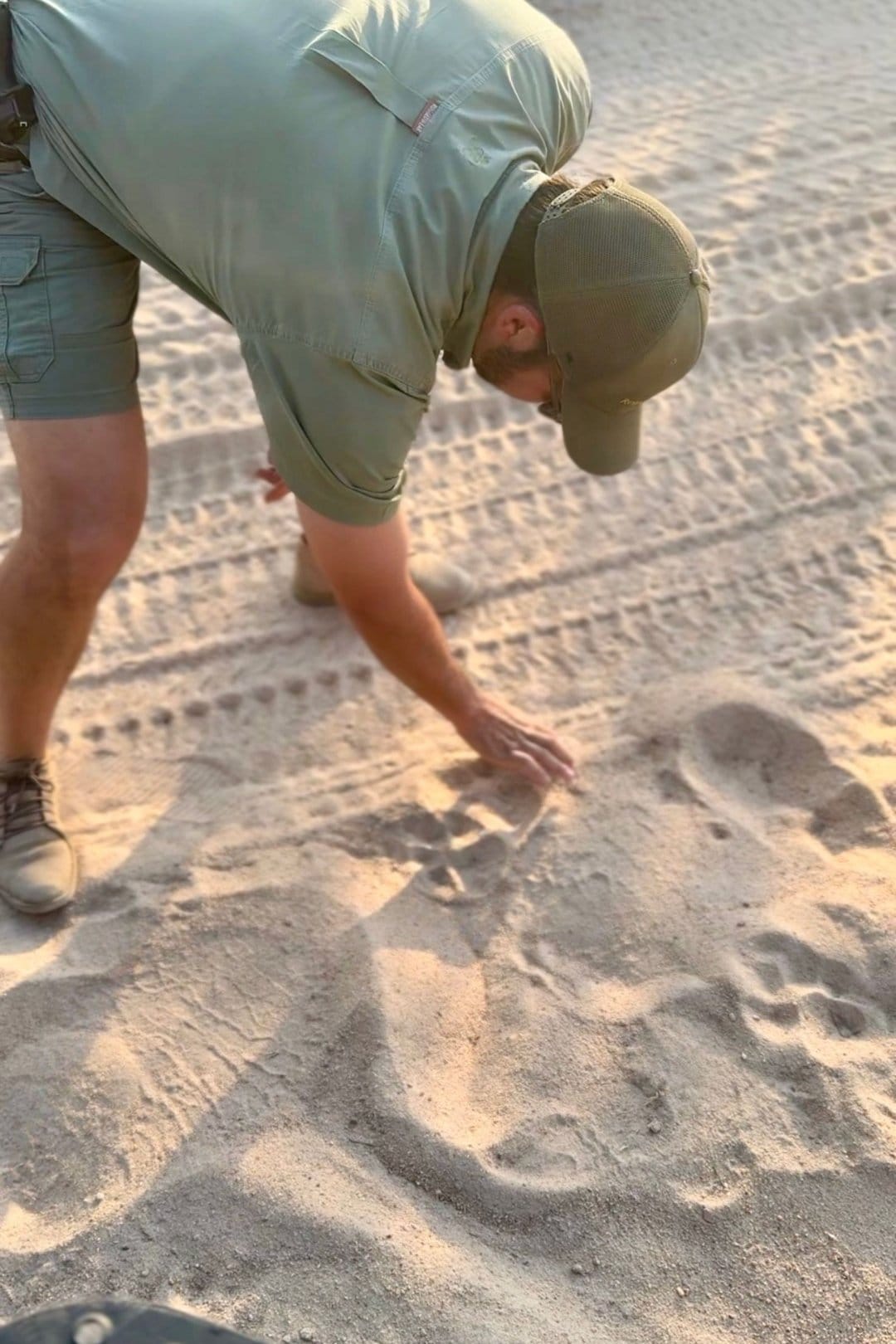
A guide crouching to read fresh tracks in soft sand
02

Guides who read the ground

Every walk is led by a qualified trails guide who carries a rifle, and in Zambia's national parks an armed scout walks with you too. They read the wind, the tracks and the alarm calls, and decide how close is close enough.

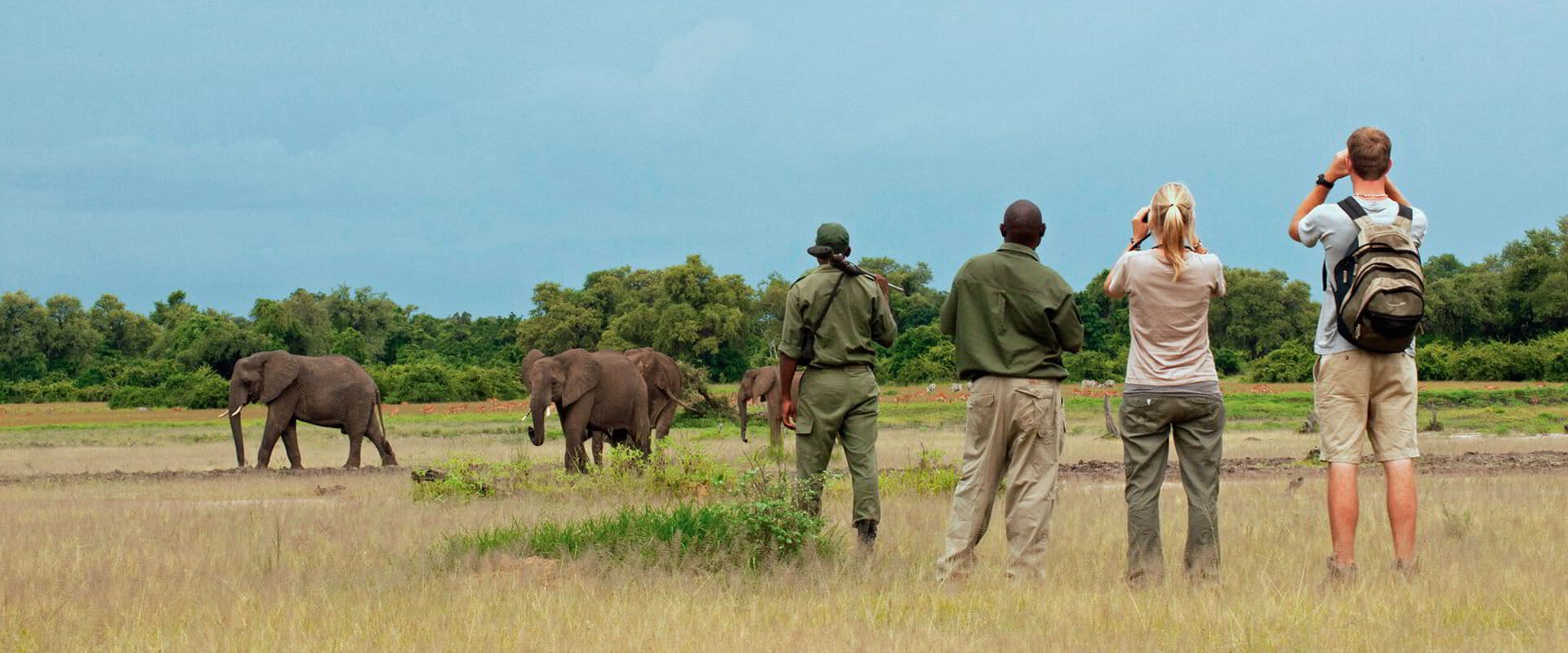
Walkers with binoculars watching elephants across a dry-season plain in South Luangwa
03

The right season

Zambia's walking bush camps open for the dry season, roughly May to November. The Greater Kruger walks all year, with the most comfortable mornings in the cooler winter months.

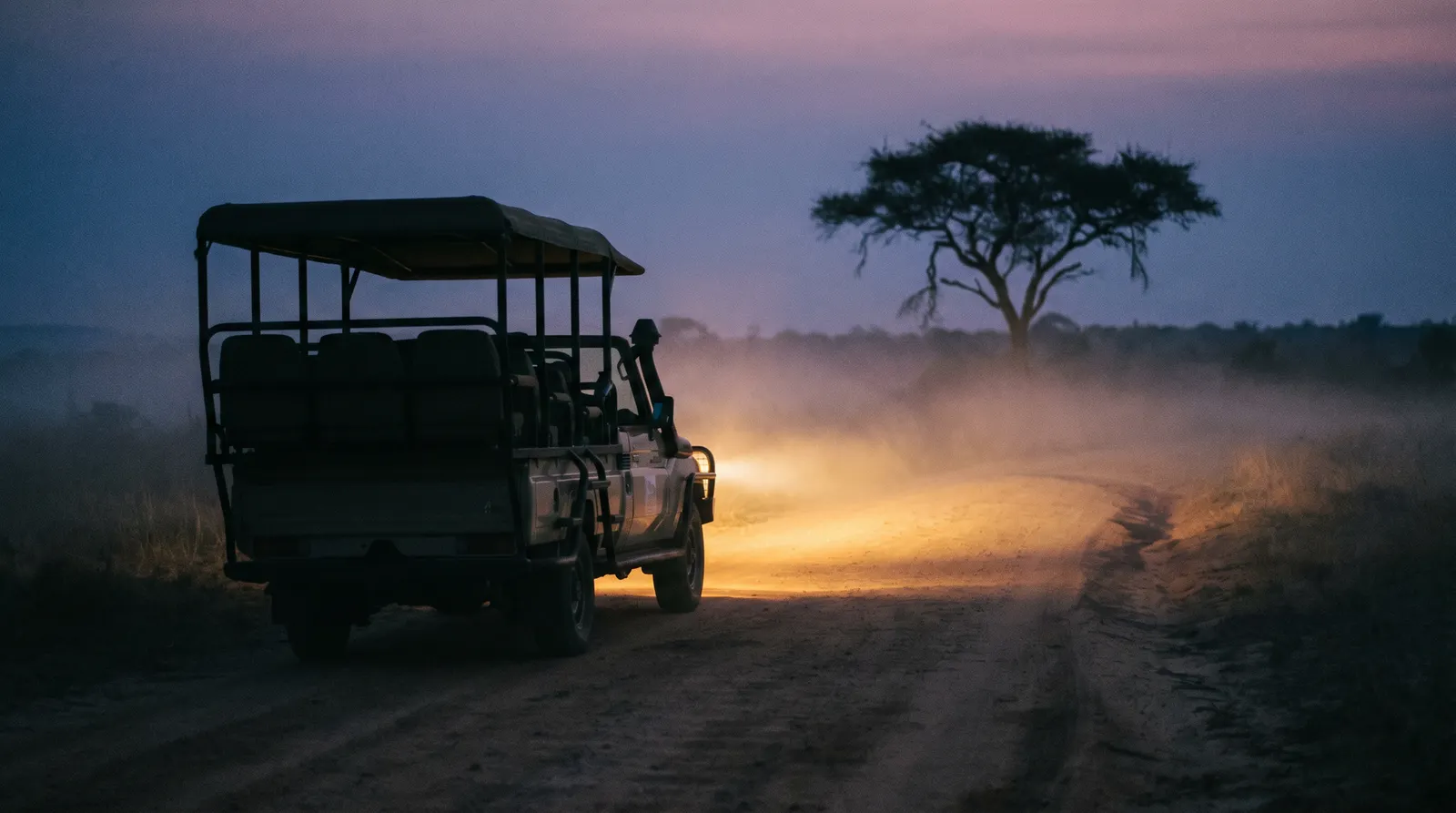
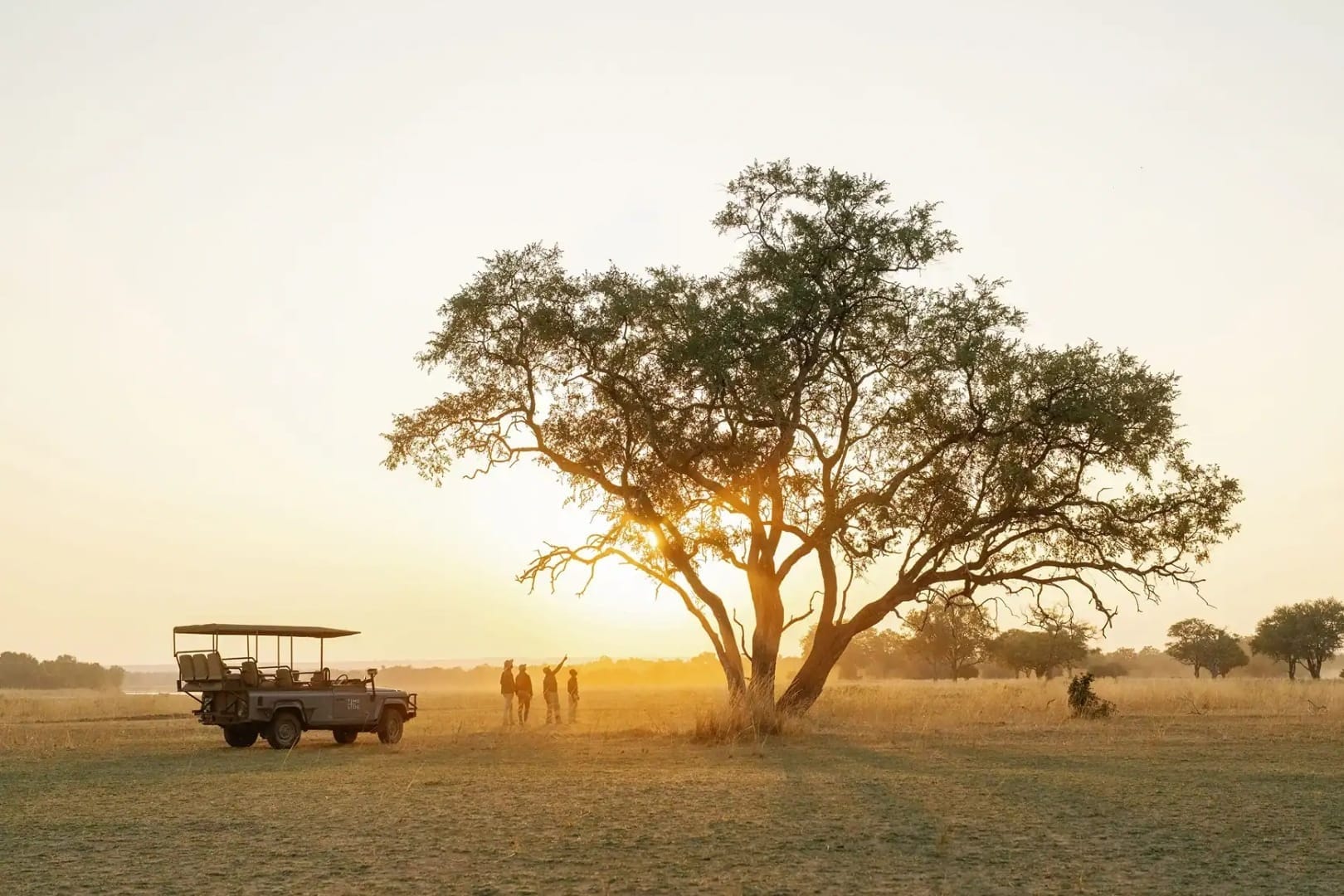
A safari vehicle parked beneath a lone tree at sunrise
04

Walks and drives together

Most people are happiest with both. Walk in the morning for the detail, then drive in the afternoon to cover ground and stay longer with the animals you find. It is how we build most walking itineraries.

Sample journeys

Three walking trips we would build

Each one is a starting point. The amount of walking, the camps and the season are all part of the planning conversation.

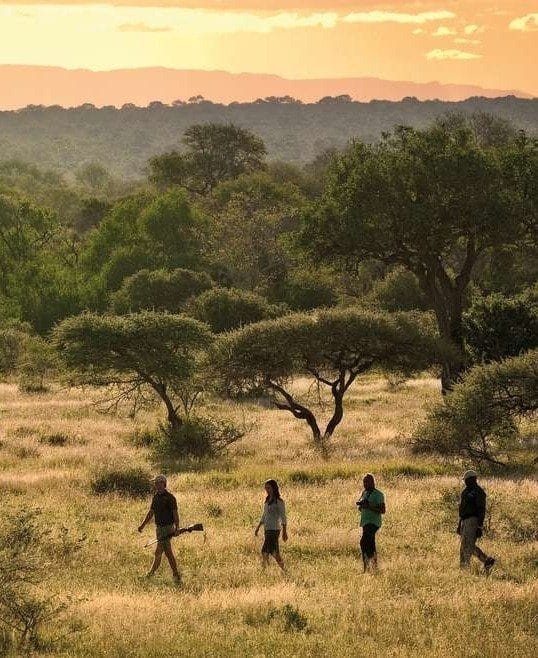
A small group walking in single file through open bushveld

01

Balule on foot, five nights

Two lodges, two landscapes, walking every day.

Start among the sandy plains and granite hills of southern Balule, then move north to the Olifants River for riverside walks, a boat trip and, if you like, a night sleeping out. A private trails guide stays with you throughout. Easy to pair with Cape Town or a beach.
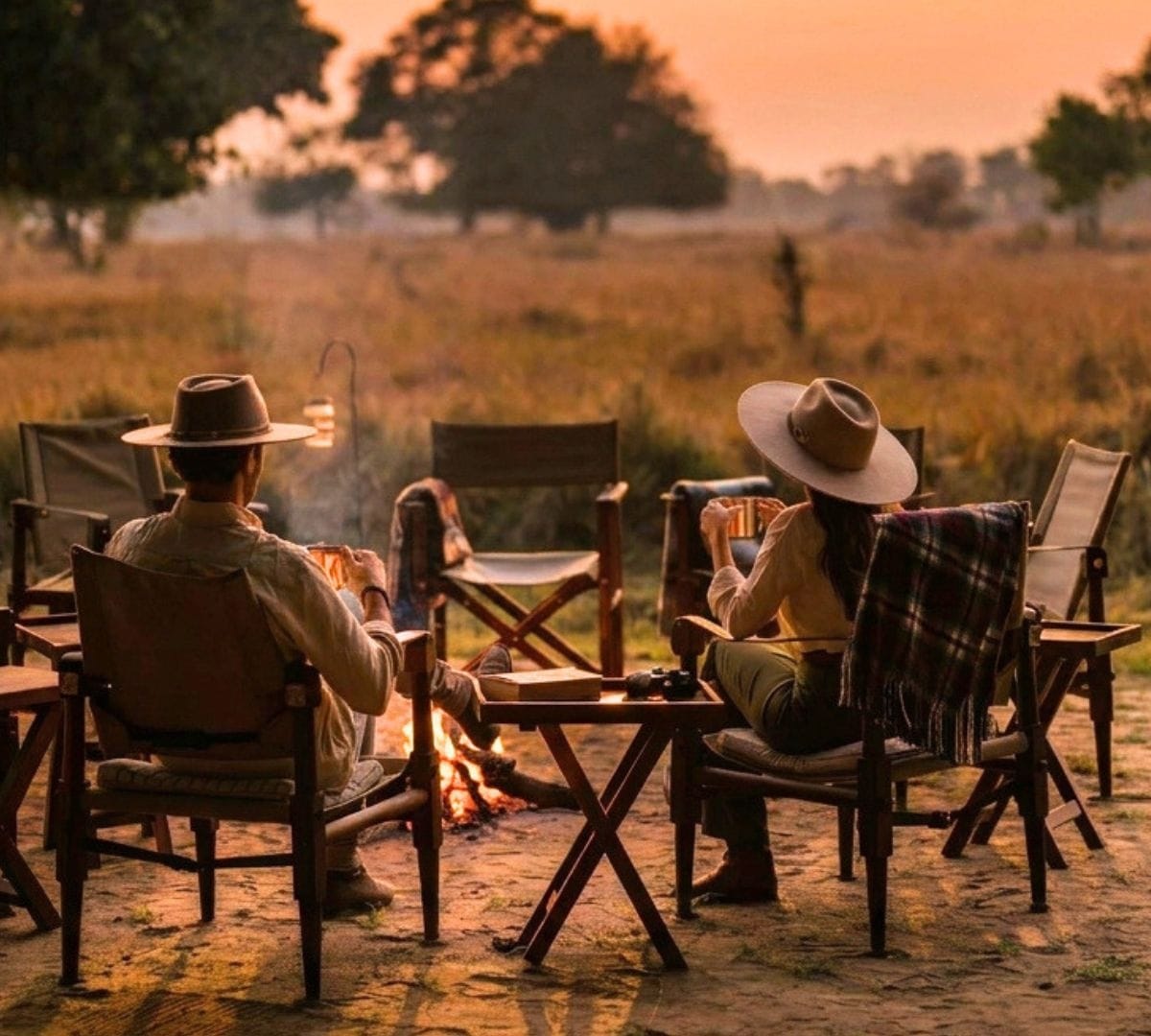
Guests in hats sitting around a campfire at a bush camp at dusk

02

South Luangwa camp to camp, seven nights

Seasonal bush camps, walking between them.

Walk between small bush camps deep in the park, with your bags moved ahead and the option of a night sleeping out under the stars. Finish at a riverside lodge with more comfort before the flight home. Dry season only.

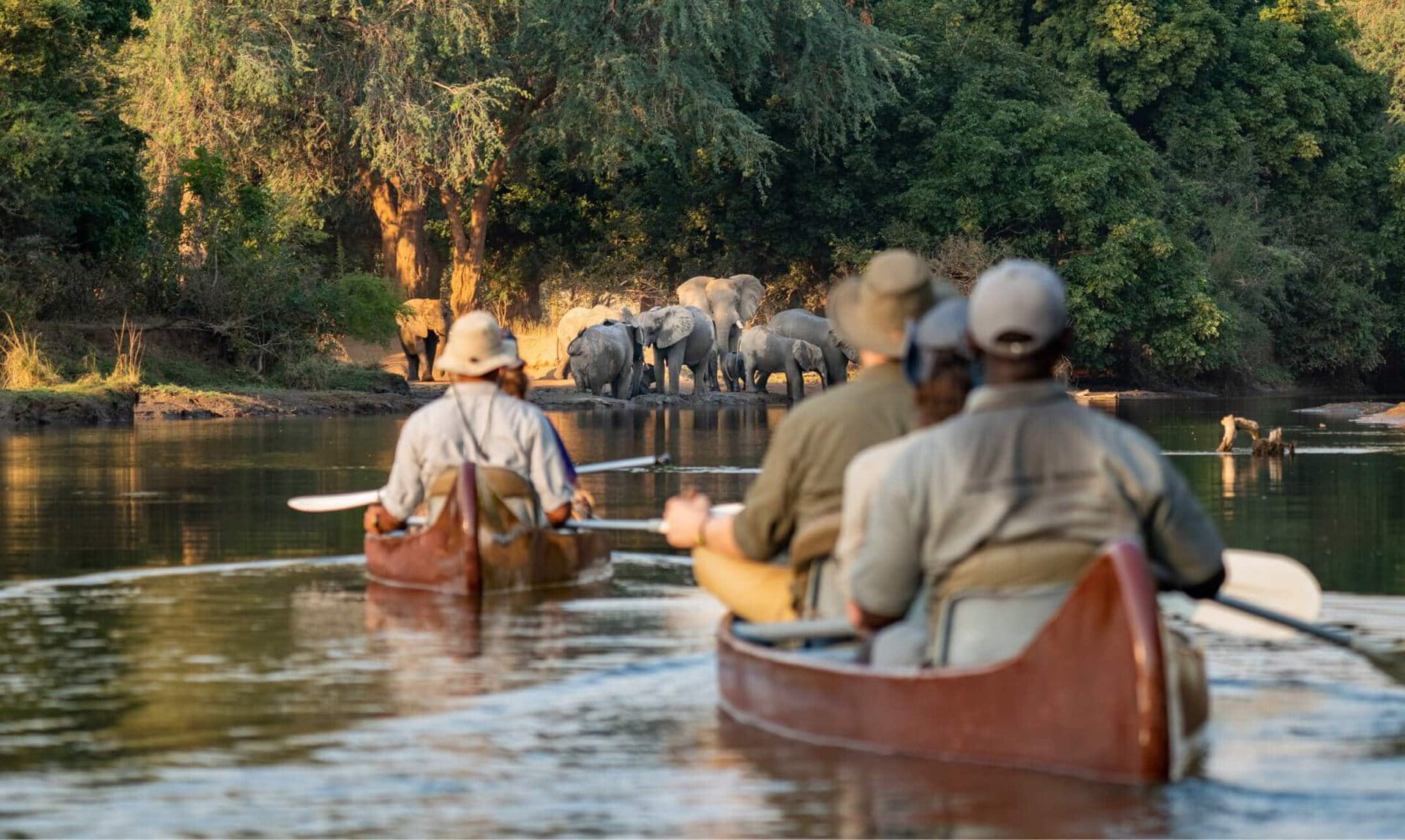
Canoeists paddling a calm river channel with elephants on the bank

03

Luangwa and the Lower Zambezi, eight nights

Walks first, then the river.

Five nights in South Luangwa for the walking, then three on the Lower Zambezi, where walks sit alongside boat trips and, in season, canoeing. A good balance for couples who want variety.

From a recent trip

★★★★★

When you make your exclusive customised travel booking with Marula Hill you can expect friendly, swift and professional service. Also expect honest, clear and continuous communication with regards to the arrangements.

EC RW, on their second booking with Marula Hill

The process

Safari planning, done properly

There is no algorithm picking your lodges. From the first message to the day you fly home, you deal with real people who care about this as deeply as you do.

01

A real conversation first

We start with a call or a long message. No commitment, no quote forms. We want to understand the trip you are imagining, your travel history, your budget, and what you have always quietly wanted Africa to give you.

02

A proposal that surprises you

We do not just suggest the obvious. We bring options you would not have found on your own: the newly reopened concession, the off-peak rate at the lodge that is usually full, the combination of regions that works for your dates.

03

We refine until it is right

We iterate together. There is no pressure. Some clients take three conversations to land a trip, others take two weeks. We only confirm the booking when you are completely certain.

04

We are with you the whole way

Pre-trip prep, packing notes, what to expect on the ground. A direct line to us while you are travelling. If anything changes on the trip, we handle it before you have to think about it.

Ready to start?

The safari you have quietly been thinking about

No commitment. No quote forms. Just a conversation with people who know the continent and know how to get you there in style.

Send a quick WhatsApp

Common questions

Walking safari questions

Are walking safaris safe?

They are run under strict rules by qualified trails guides who carry a rifle, brief you before every walk and know when to back away. In Zambia's national parks an armed scout walks with you as well. Listen to the safety briefing, and follow your guide's instructions at all times.

How fit do I need to be for a walking safari?

If you can manage a countryside hike in warm weather, you will manage a Greater Kruger walk. The pace is slow, with plenty of stops. Camp-to-camp walking in Zambia mean longer walks in the heat on uneven ground, so you should be comfortable on your feet for several hours. Tell us honestly and we will match the walking to you.

Is there a minimum age for walking safaris?

It is usually 12, though it varies by lodge and park and is often at the guide's discretion. We check the rule for every camp when we plan a family trip.

When is the best time for a walking safari?

In Zambia, the dry season, when the walking bush camps are open, roughly May to November. In the Greater Kruger you can walk all year, and the cooler winter months are the most comfortable.

Will I see the Big Five on foot?

Possibly, but that is not really the point. On foot you learn to read tracks, birds and plants, and notice the small things a vehicle drives past. Bigger sightings do happen, and your guide manages them carefully. Most guests pair walks with game drives.

Owner-led A planner, not a call centre
On the ground Based in Greater Kruger

Plan it properly

Tell us what you are imagining

Tell us roughly what you are thinking. Vikki or Sian will reply personally.

Plan it properly

Tell us what you are imagining

Three ways to begin. Pick whichever feels easiest.

By note

Start with a note

Tell us roughly what you are thinking. Vikki or Sian will reply personally.

Send a note

By email

Send us an email

Write to Sian directly, with Vikki copied. No forms in between.

Email us

By WhatsApp

Send a WhatsApp

Quickest if you have a short question. We answer between game drives and meetings.

Open WhatsApp

Write to us

One of us will write back.

Replies come from Vikki or Sian. No obligation, just a conversation.

Prefer to write to us directly? sian@marulahill.com · WhatsApp +27 82 459 0648