01
The climb and a safari
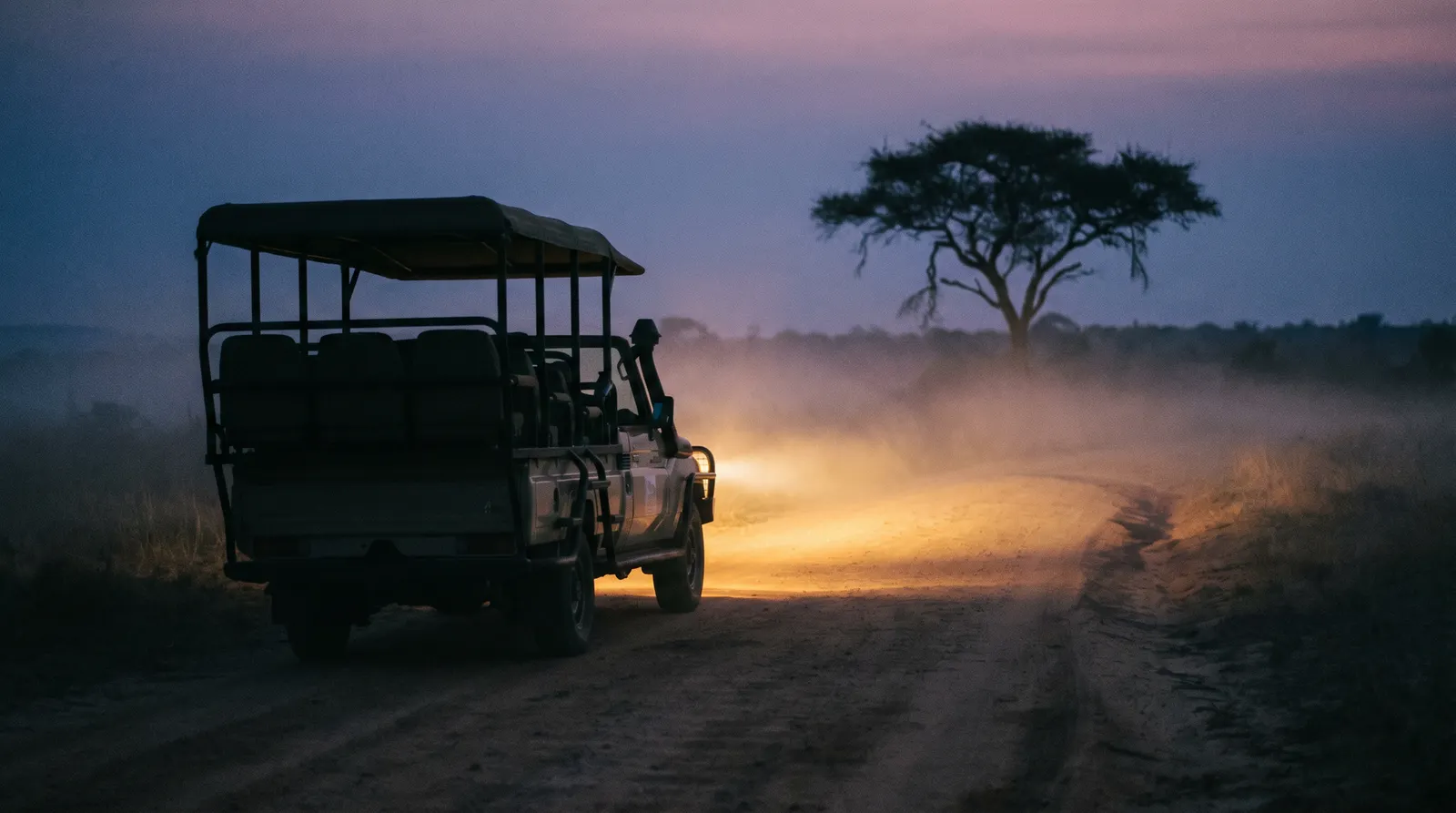
A night near the mountain to rest and meet the team, eight days on the mountain, a night to recover, then four nights between Tarangire, the Ngorongoro Crater and the Serengeti.
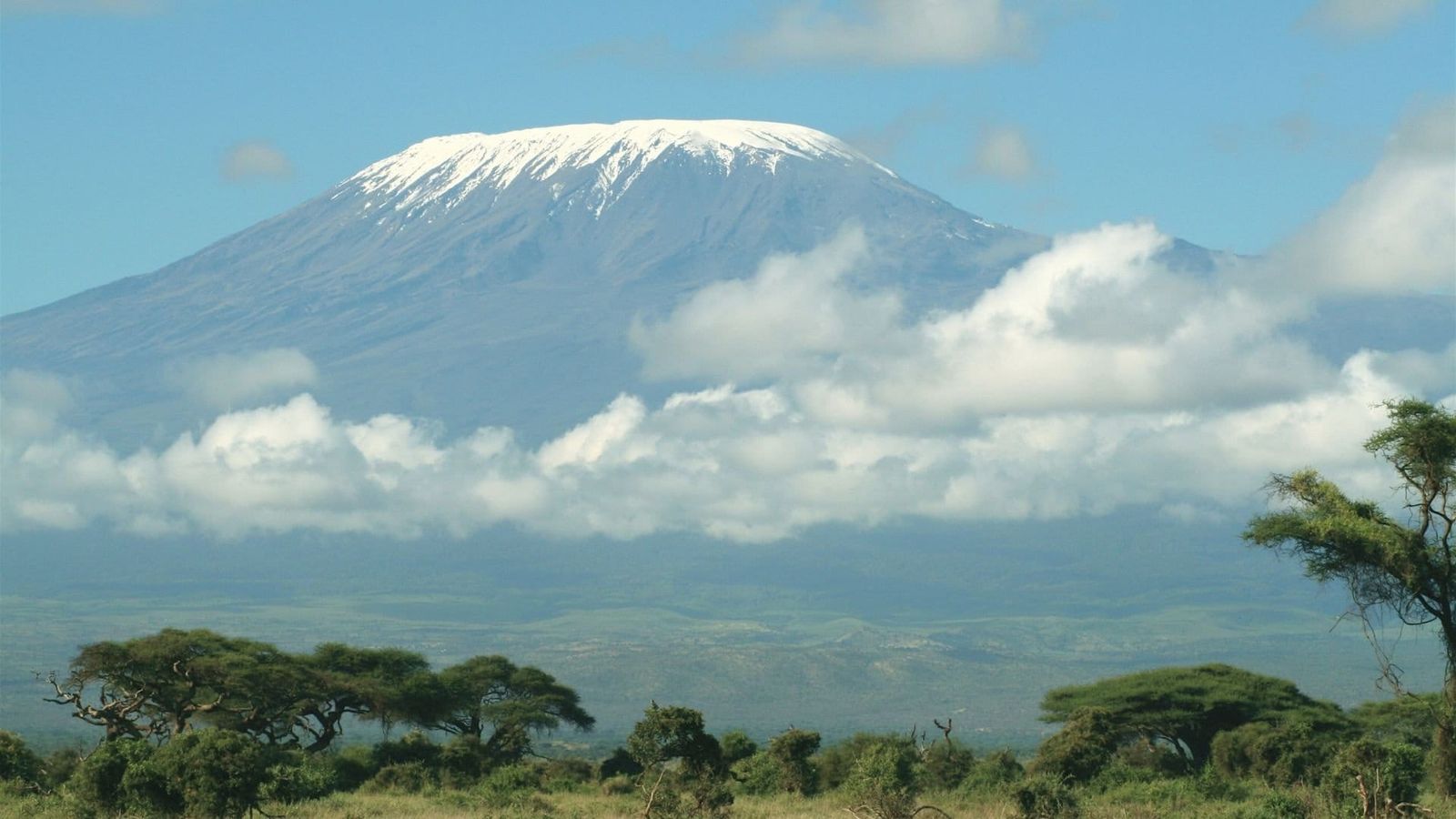
Africa's highest summit
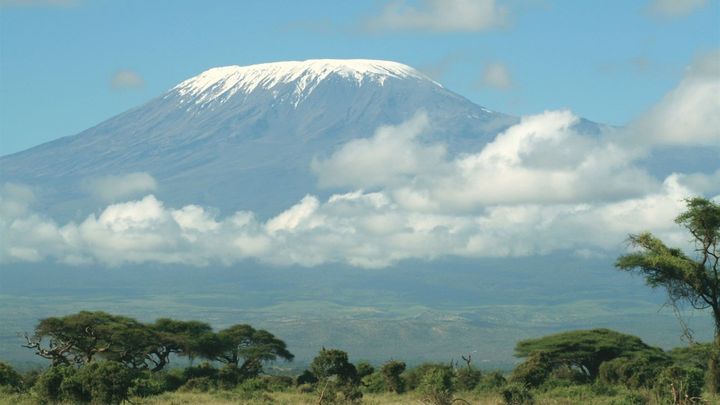
Standing on the roof of Africa is something people carry with them for the rest of their lives. Kilimanjaro's summit, Uhuru Peak, sits at 5,895 metres. You need no ropes or climbing experience, just good preparation, enough days and the right people beside you. A specialist mountain team from our partner network leads the climb, and we plan the journey around it, from your arrival to a safari or a beach afterwards.
How it works
Kilimanjaro is a mountain of contrasts. You start in lush forest, climb through open moorland and volcanic country, and finish in the cold, bare alpine world below the summit. Each day feels different. The climb is a long trek rather than a technical ascent, and the real challenge is altitude, which can affect anyone, however fit. Before you book, our mountain partners talk you through the realities honestly. Afterwards, they guide your preparation around your own experience, abilities and worries.
On the mountain, an established Tanzanian team of guides, cooks and porters looks after the camps, the food and your wellbeing day by day. Every climber needs a park permit through a registered Tanzanian operator and a licensed guide, and the team arranges both. Climbers often say the people on the mountain become one of the best parts of the whole trip.
Planning it properly
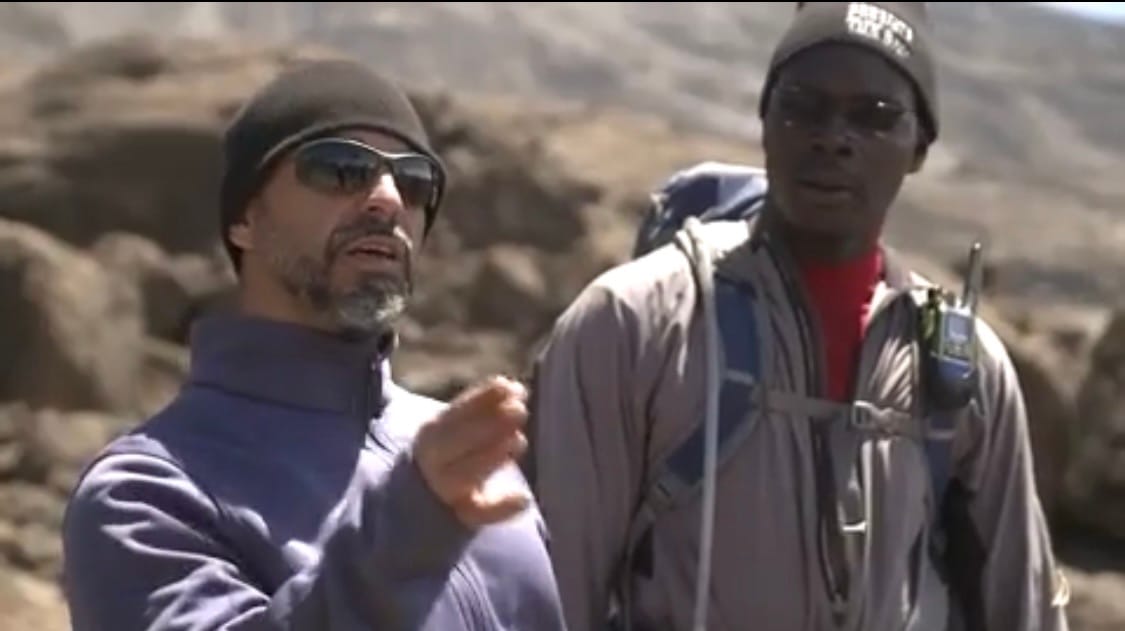
Preparation is part of the experience. You get personal guidance on fitness, kit and what each day will really feel like, so you arrive informed and ready rather than anxious.
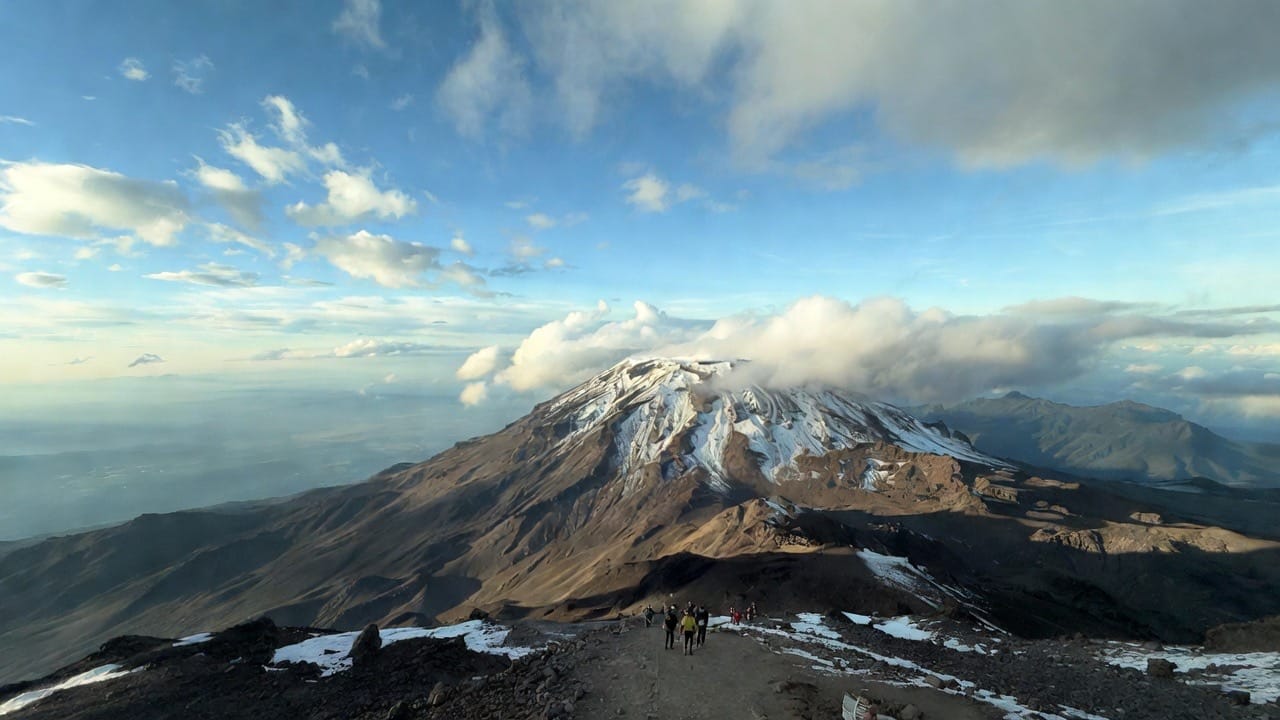
For most climbers, our mountain partners recommend an eight-day climb on the Umbwe route, which gives time to acclimatise and room to adjust. Other routes, such as Lemosho, Machame and Marangu, are talked through if they suit you better.
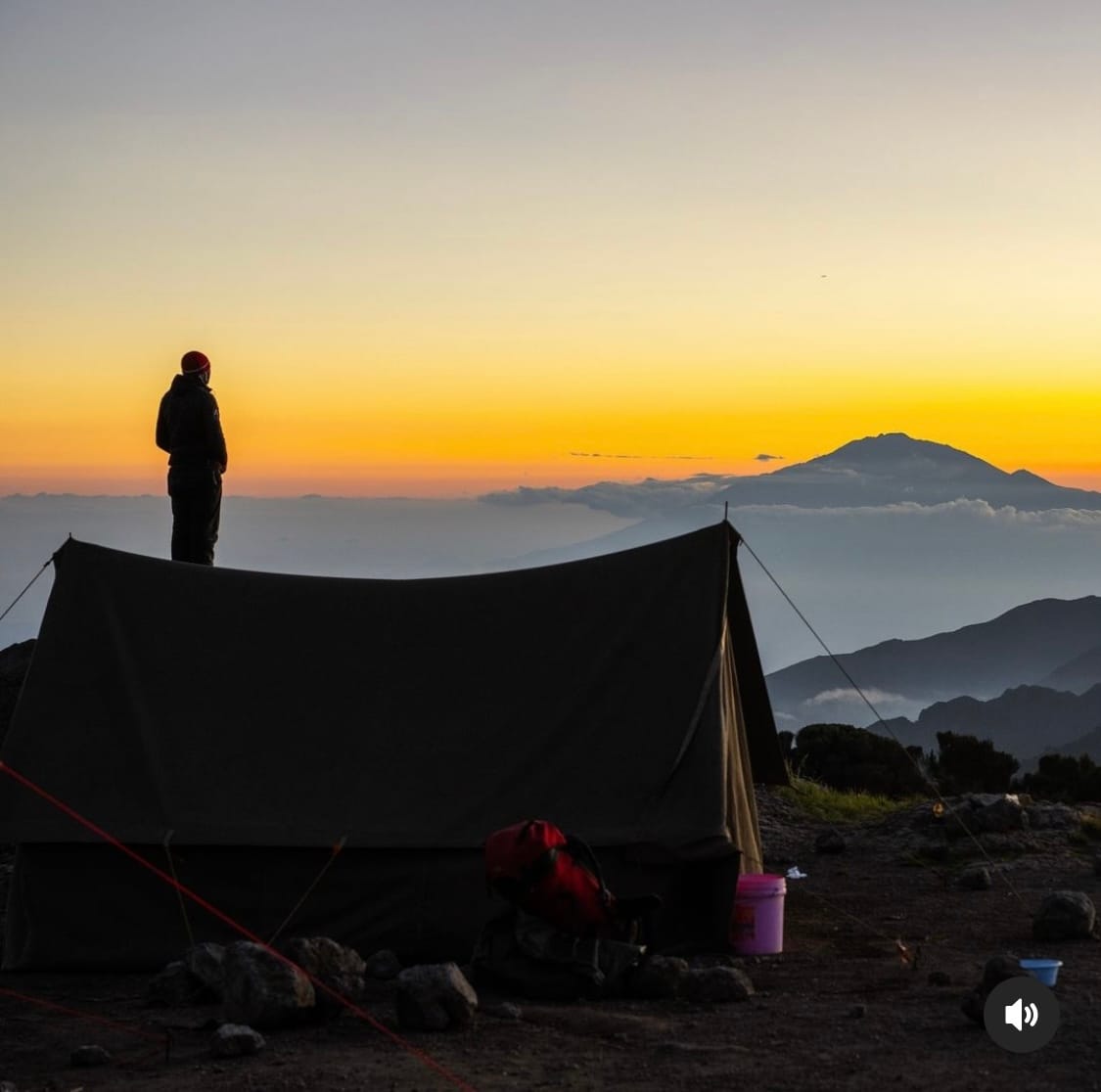
The drier windows, roughly January to early March and June to October, are the most popular. April, May and November bring the rains, with quieter trails and harder conditions.
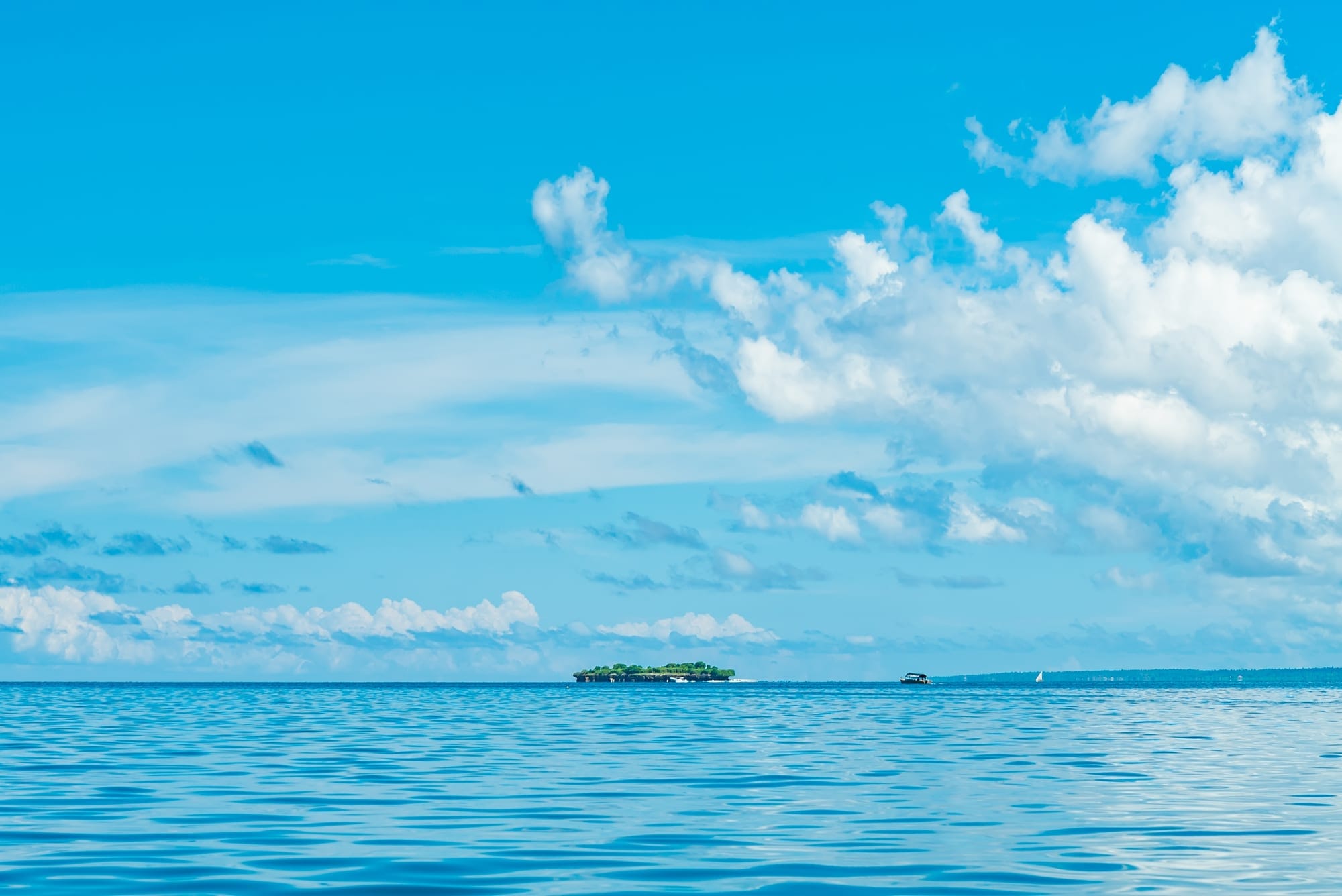
Tanzania's northern parks, from Tarangire to the Serengeti, start from Arusha, close to the mountain. Zanzibar is a short flight away. After a week on the mountain, either feels well earned.
Sample journeys
Each one is a starting point. The route, the number of days on the mountain and the rest of the trip are all part of the planning conversation.
01
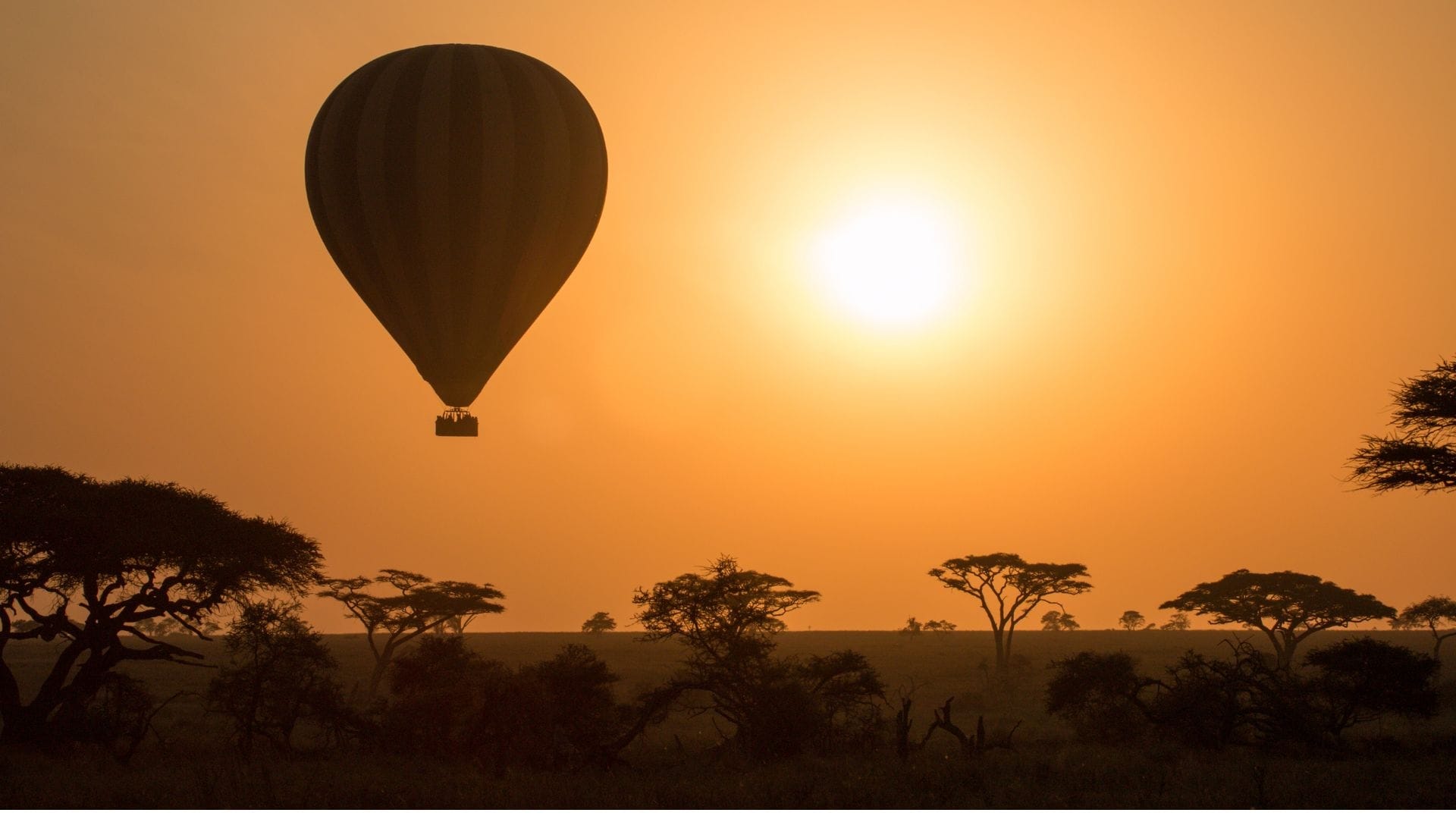
A night near the mountain to rest and meet the team, eight days on the mountain, a night to recover, then four nights between Tarangire, the Ngorongoro Crater and the Serengeti.
02
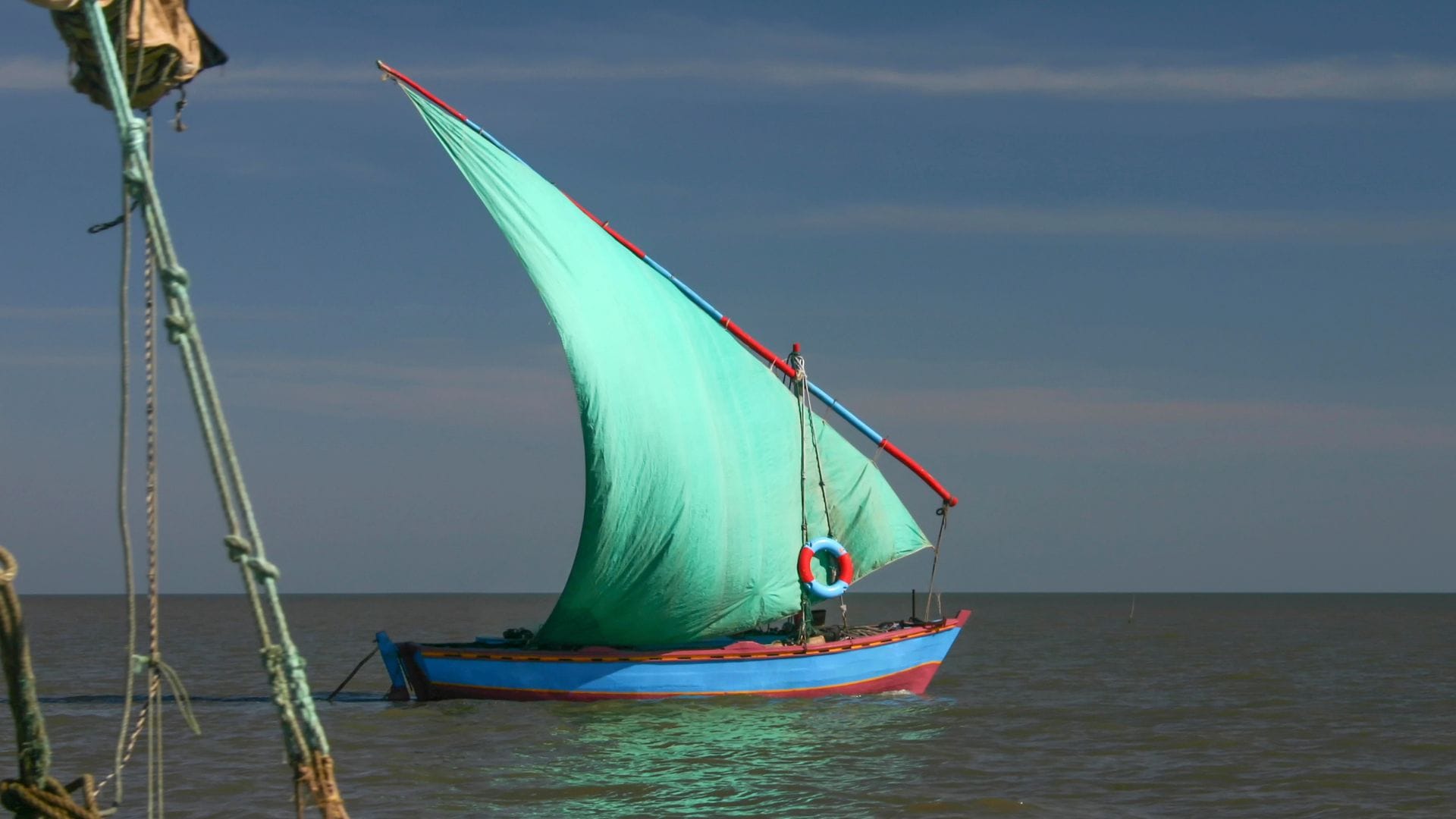
The climb, then a short flight to Zanzibar for five nights on the beach, with a morning in Stone Town before you fly home.
03
A few days on safari to adjust, then the climb, then Zanzibar. A long trip, and the one we would choose if you have the time.
From a recent trip
★★★★★
When you make your exclusive customised travel booking with Marula Hill you can expect friendly, swift and professional service. Also expect honest, clear and continuous communication with regards to the arrangements.
EC RW, on their second booking with Marula Hill
The process
There is no algorithm picking your lodges. From the first message to the day you fly home, you deal with real people who care about this as deeply as you do.
We start with a call or a long message. No commitment, no quote forms. We want to understand the trip you are imagining, your travel history, your budget, and what you have always quietly wanted Africa to give you.
We do not just suggest the obvious. We bring options you would not have found on your own: the newly reopened concession, the off-peak rate at the lodge that is usually full, the combination of regions that works for your dates.
We iterate together. There is no pressure. Some clients take three conversations to land a trip, others take two weeks. We only confirm the booking when you are completely certain.
Pre-trip prep, packing notes, what to expect on the ground. A direct line to us while you are travelling. If anything changes on the trip, we handle it before you have to think about it.
Ready to start?
No commitment. No quote forms. Just a conversation with people who know the continent and know how to get you there in style.
Send a quick WhatsAppCommon questions
You do not need ropes or climbing experience, but it is a long, demanding trek, and summit night is cold and slow. The real challenge is altitude, which can affect anyone, however fit. Good preparation, a slow pace and enough days make the biggest difference.
No. Altitude affects people differently, and no honest mountain team can promise a summit. What good preparation, enough days and an experienced team give you is the best possible chance, and the judgement to turn round if that is the right call.
A specialist mountain team from our partner network, with many years of guiding on Kilimanjaro and a local crew of guides, cooks and porters. We look after the rest of your journey, so you have one point of contact from first idea to flight home.
Most routes take six to nine days on the mountain. Our mountain partners recommend eight days for most climbers, because longer climbs give your body more time to adjust to the altitude. Add a night before and after for arrival and recovery.
Park rules set 10 as the minimum age for climbing above 3,700 metres, and many mountain teams recommend older for a summit attempt. We check any family plans with the team before booking.
January to early March and June to October are the drier, more popular windows. The long rains in April and May, and the shorter rains in November, mean quieter trails but wetter, harder conditions.
Yes, and that is the point of planning it with us. Tanzania's northern parks are close by and Zanzibar is a short flight away, so all three fit into one trip.
From the journal
Guides
Fly into the safari, fly home from the beach. How to use BA's new Tanzania route without spending half your holiday in transit.
Read the guide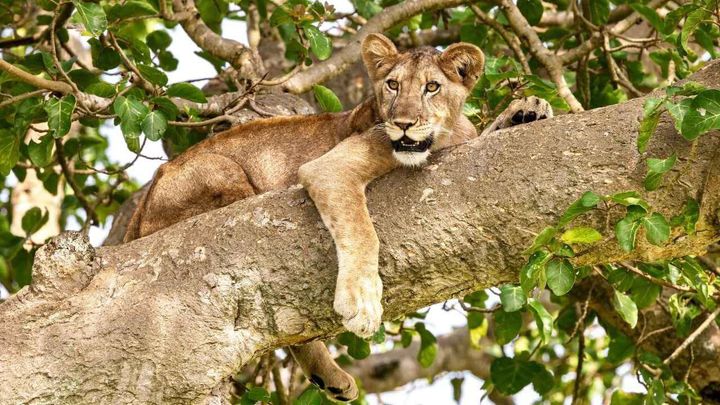
Guides
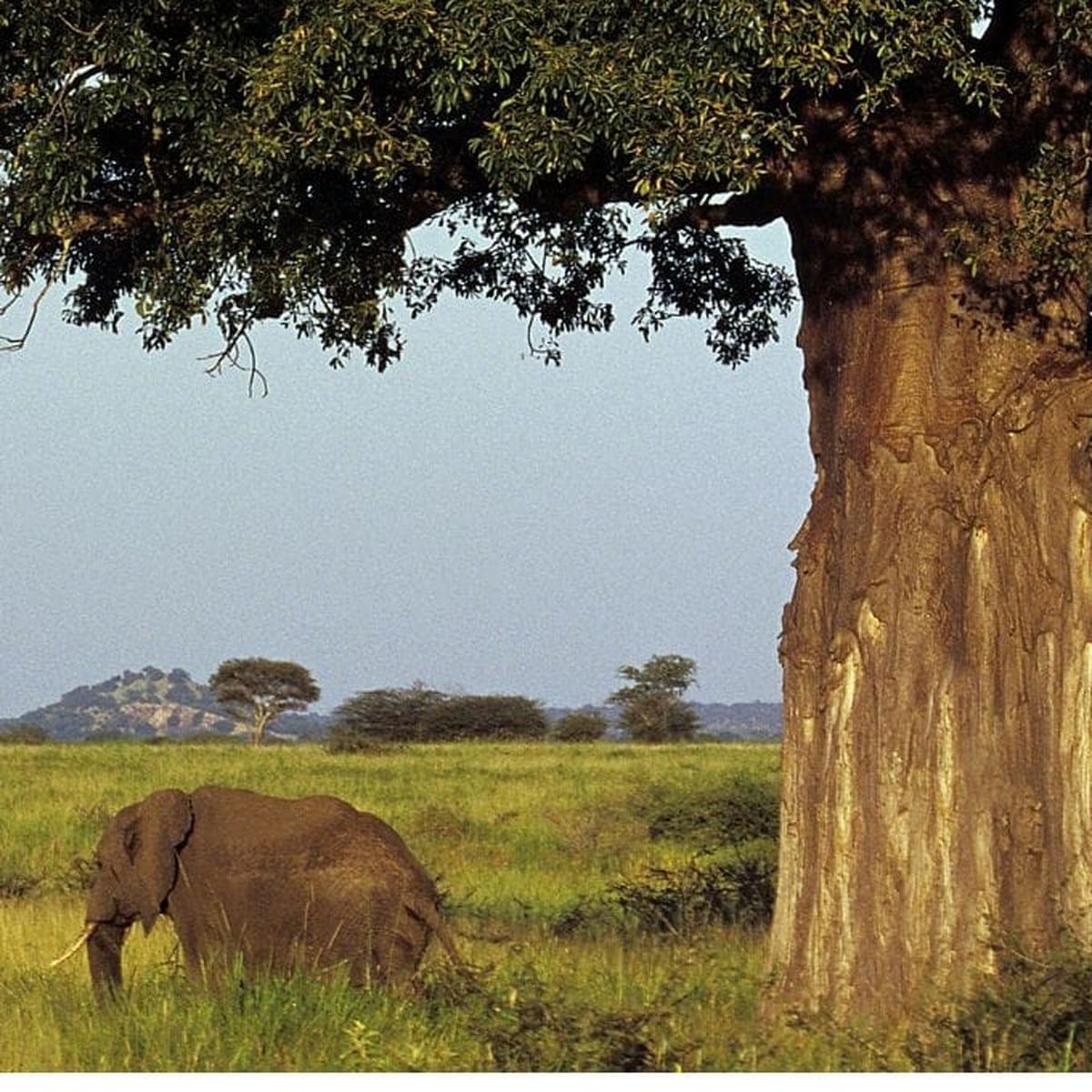
Huge elephant herds, ancient baobabs, and very few crowds. Here's why we include Tarangire in nearly every northern Tanzania itinerary.
Read the guide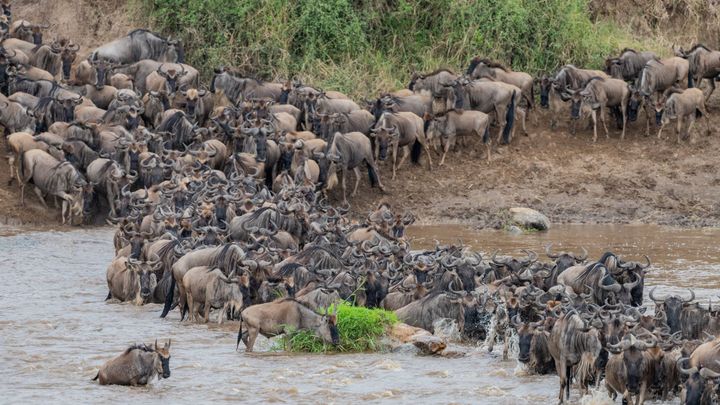
Guides
The migration moves all year. Here is where the herds tend to be in each season, and how we plan a trip around them.
Read the guidePlan it properly
Tell us roughly what you are thinking. Vikki or Sian will reply personally.
Plan it properly
Three ways to begin. Pick whichever feels easiest.
By note
Tell us roughly what you are thinking. Vikki or Sian will reply personally.
Send a noteBy email
Write to Sian directly, with Vikki copied. No forms in between.
Email usBy WhatsApp
Quickest if you have a short question. We answer between game drives and meetings.
Open WhatsAppOne of us will write back.